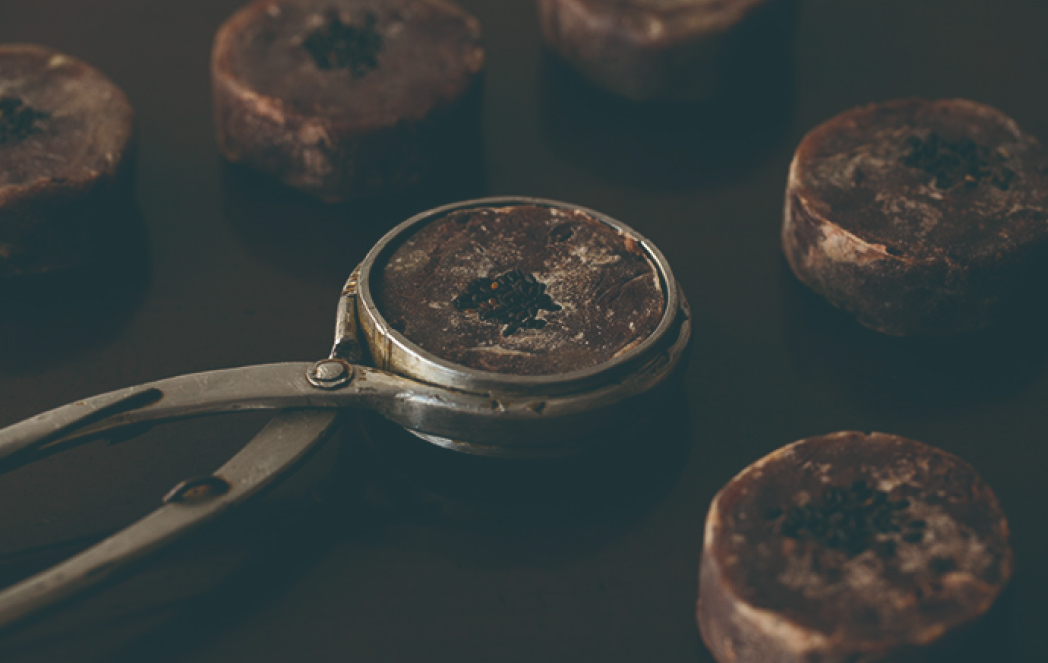
Tradition and Innovation: Try a Tasting of Eitaro's Candies, Old and New
Today's skyscraper-lined Nihonbashi was home to a bustling fish market during the Edo period (1603–1867). A young confectionery named Eitaro had a stall there where he made "large, sweet, and delicious" kintsuba buns that became a favorite among fish-market workers. Eitaro's Edo-style warmth and generosity surely boosted his popularity, and the stall thrived. At age 25, he opened a permanent shop in its current location.
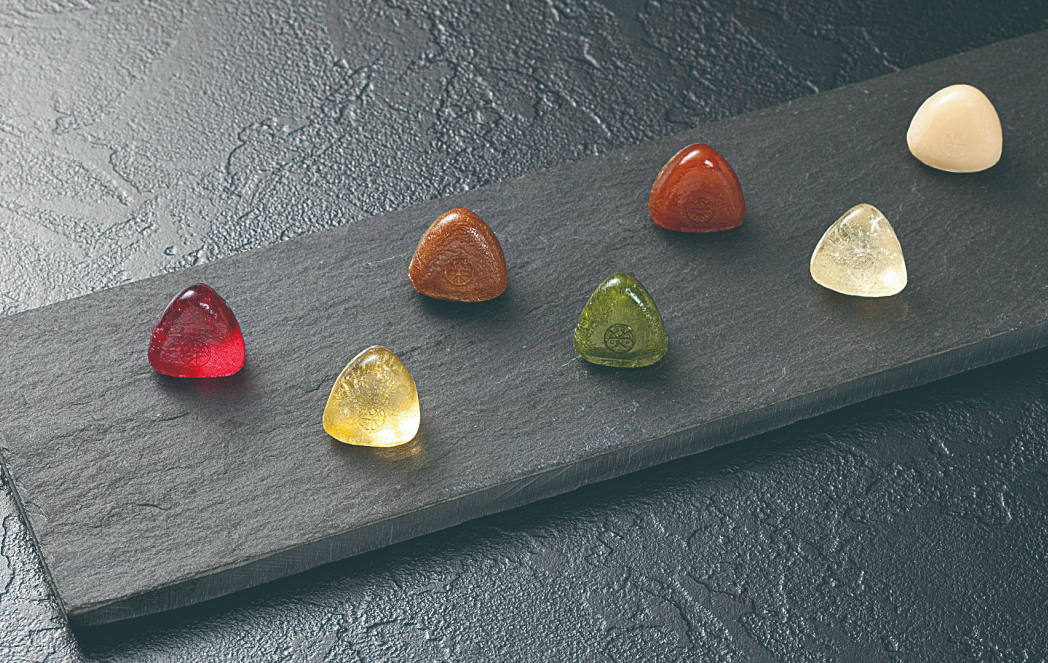
The store's signature umeboshi [pickled plum] candy comes with a fun story: sugar was scarce during the Edo period, but Eitaro used lots of it along with a fancy natural pigment called honbeni (safflower red). Crimson in color and triangular in shape, the candy got its unlikely name from Edo wit, which relished the joke of likening sweet candy to sour pickles. A century later, umeboshi candy became a popular Tokyo souvenir among Kyoto geisha, who claimed that applying it to their lips before putting on makeup would "make lips shiny and prevent chapping."
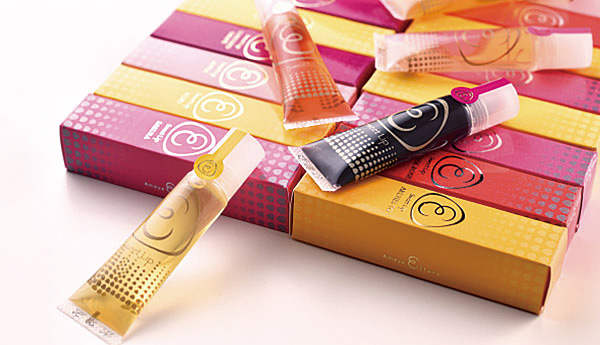
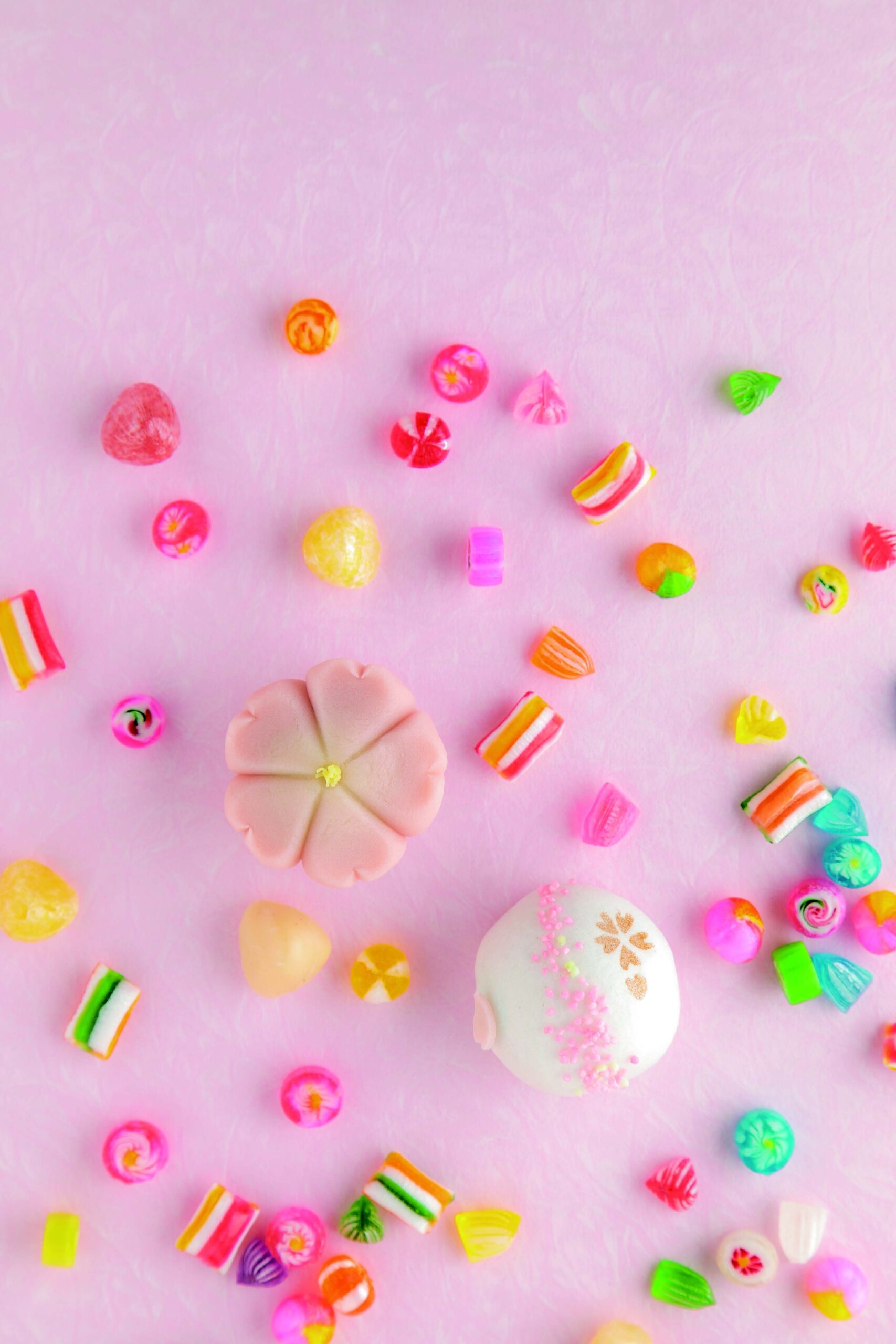
Other Eitaro Sohonpo favorites include black-sugar candy, matcha candy, black-tea candy, throat lozenges, and fruit candy made of domestic fruit without colorings or preservatives. "Sweet Lip," a tube of honey-like candy resembling lip gloss, is part of the Ameya Eitaro line and an adorable Tokyo souvenir.
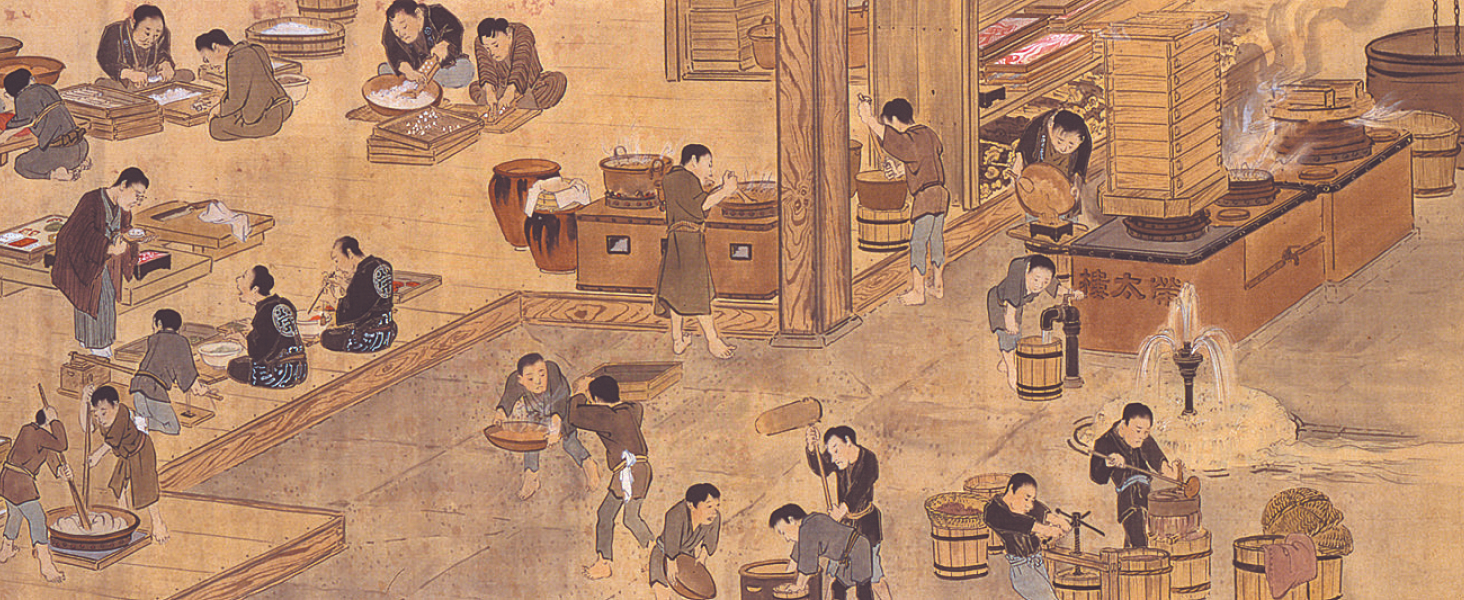
Japanese Confectioners: A Detailed Illustration of the Eitaro Sohonpo Confectionery, 1885, when Eitaro showed its products at London's International Exhibition of Inventions
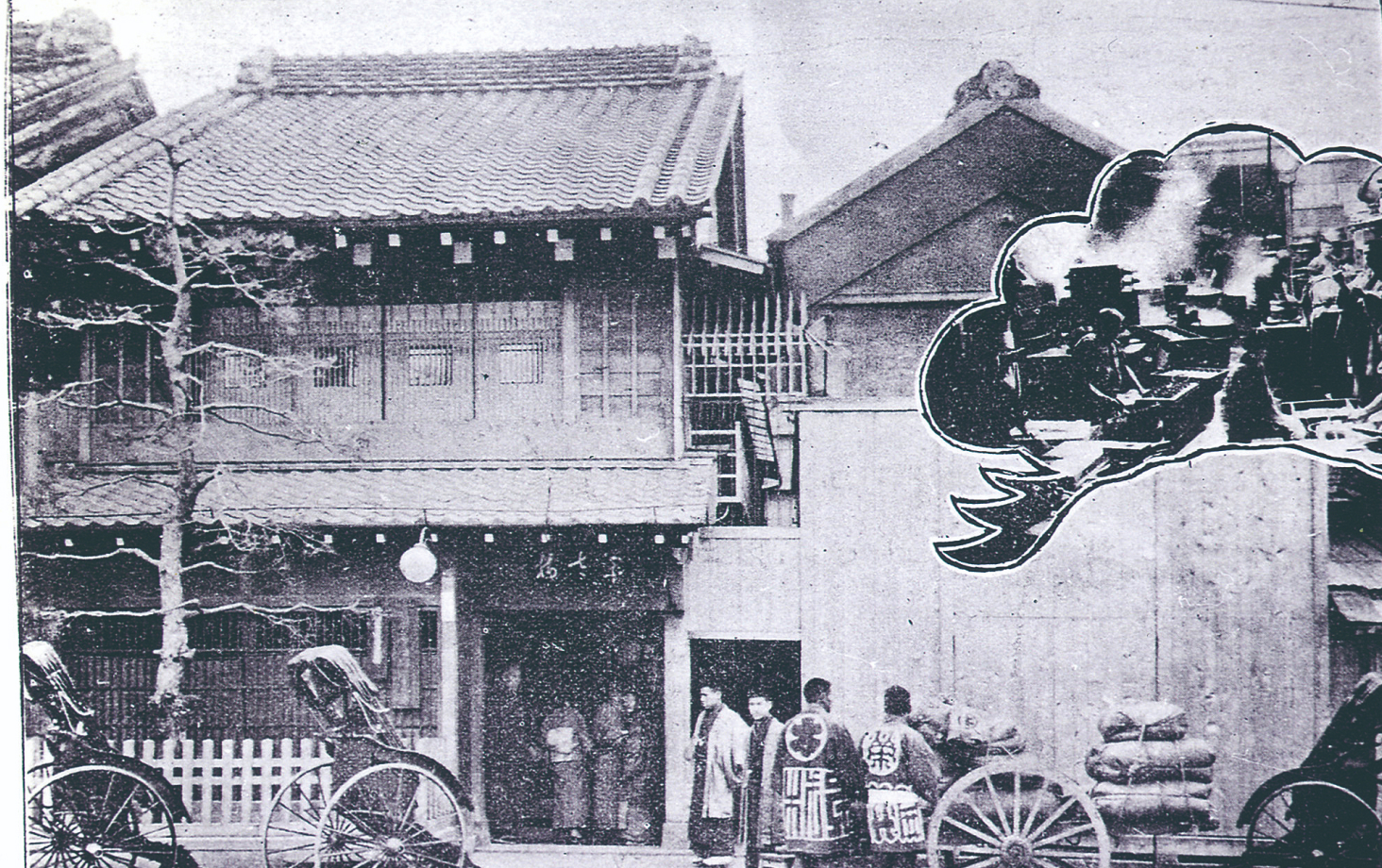
Storefront built in 1871
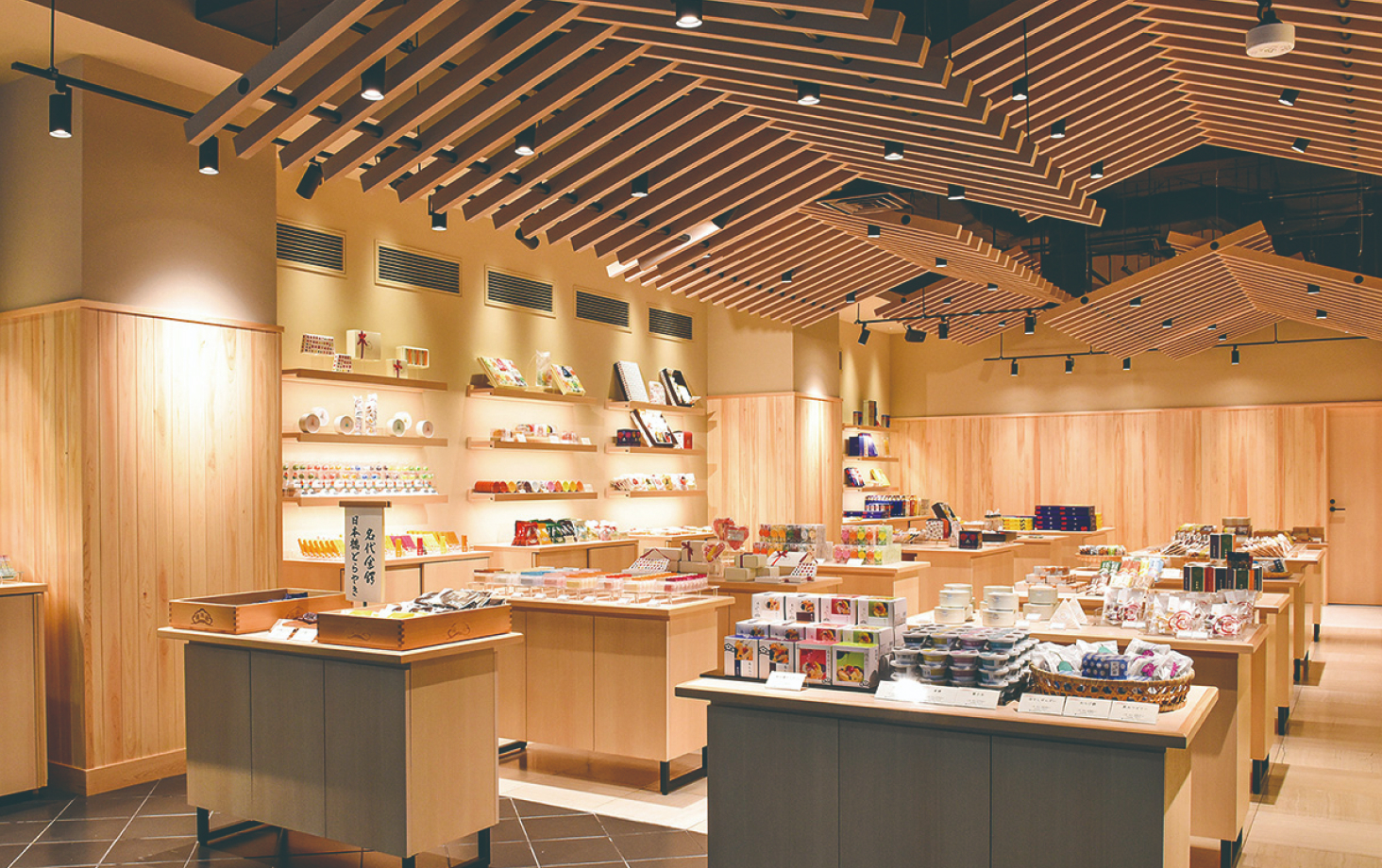
The company's five brands reflect such themes as "A New World of Candy," "Health and Deliciousness," and "Authentic Tokyo Souvenirs." The Nihonbashi main store is scheduled to relocate for redevelopment.