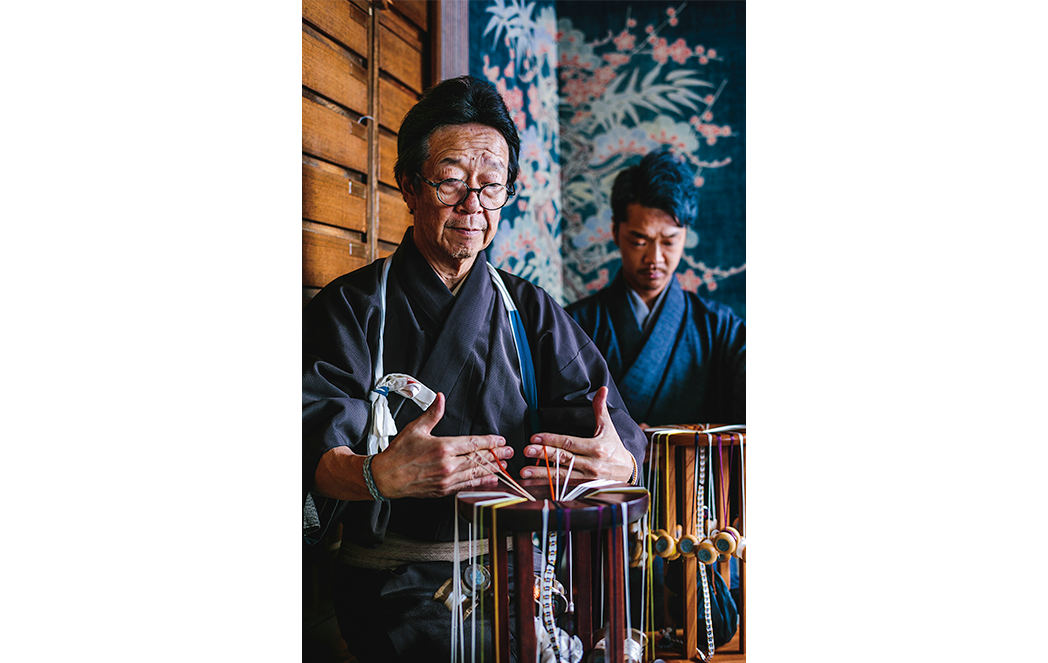
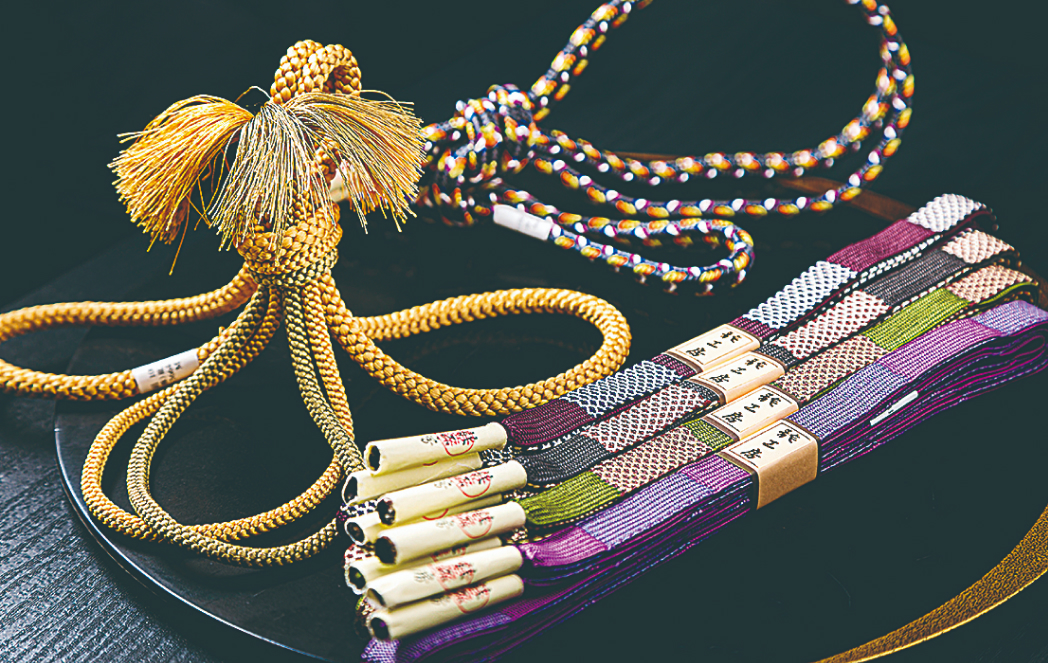
Japanese kumihimo is braided cord that is both exquisite and strong. The craft has a history of about 1,400 years; among its uses were the ornate straps on samurai swords and the lacing used in armor.
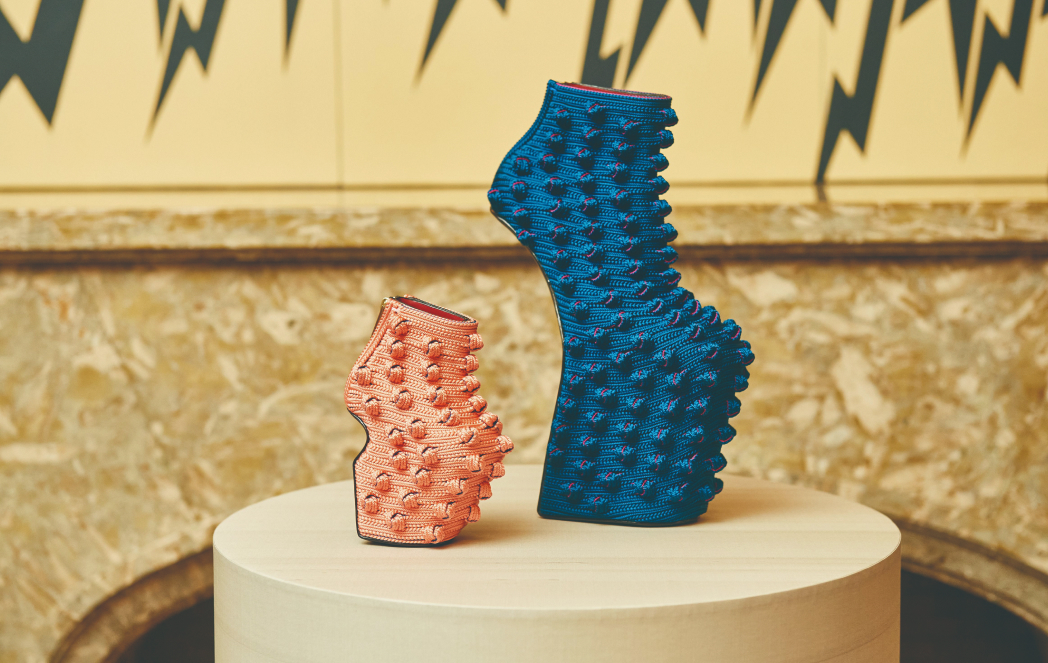
140-year-old Ryukobo is forging new paths for kumihimo, based on the cord's supple strength and some 100 different braiding techniques. While continuing to make traditional obi-jime of the kind popular in the Imperial family and Kabuki theater for use with kimono and obi, the atelier has also collaborated with contemporary artist Tatehana Noritaka to create heel-less shoes like those favored by Lady Gaga. It has pioneered kumihimo-based interior architecture for leading Japanese hotels, and made the store display for a renowned French fashion house out of 23 km of Tex 2 silk thread.
"Our family motto is 'Carry out your craft as if you are picking a flower blooming in a field,'" says owner Fukuda Takashi. "Just as the obi-jime enhances the beauty of a kimono, we want to create pieces that have the subtle beauty of wildflowers."