
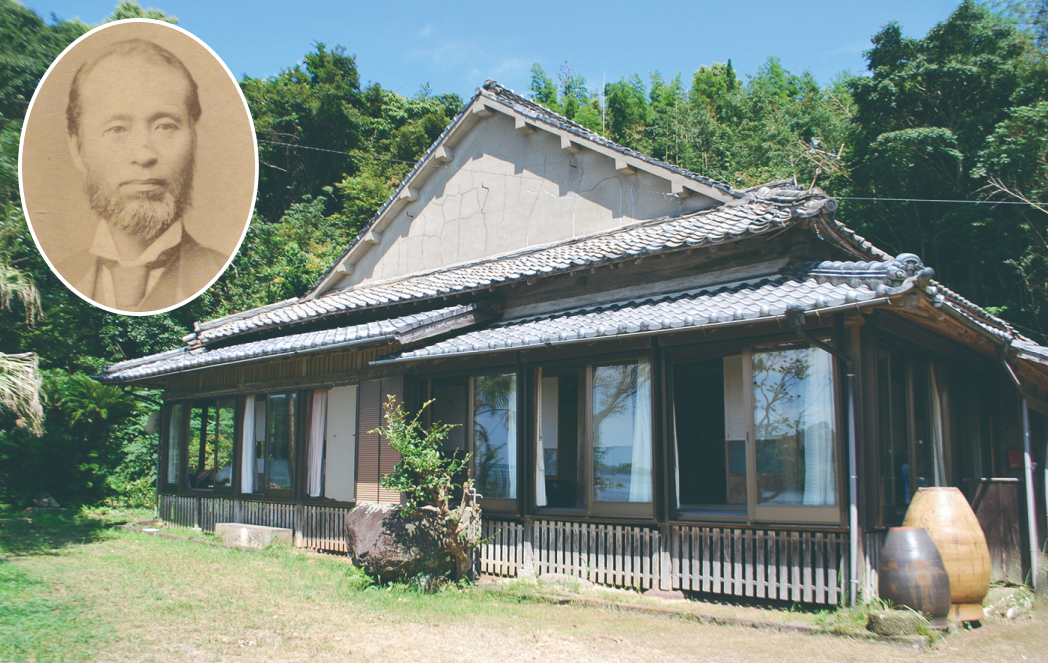
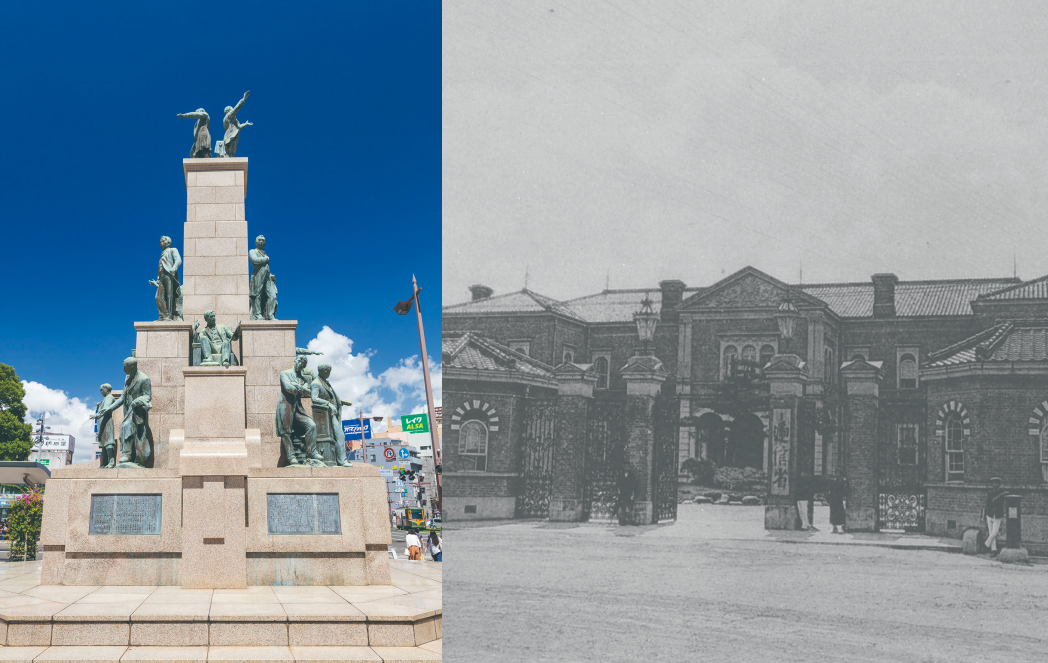
Terashima Munenori was born in 1832, the second son of a country samurai in what is now Wakimoto, Akune City. He was adopted at age five by his uncle, Matsuki Soho, a doctor who had studied Western medicine under the German physician Philipp Siebold in Nagasaki. Munenori, too, pursued medicine, and was sent to study in the great city of Edo at a young age. By that time, however, Western pressure on Japan was mounting, and Munenori's fluency in Dutch and familiarity with Western affairs was critically valuable. Satsuma lord Shimazu Nariakira directed Munenori to work in a wide range of fields: he translated Western books, conducted smelting experiments in reverberatory furnaces, and researched steam engines.
Munenori was teaching Dutch at a Western-studies institute directly controlled by the shogunate in Edo when he also began learning English. Recognized for his achievements in the English-speaking trade in Yokohama shortly after the port opened, he was selected to join the Tokugawa shogunate's first European mission in 1861 — a year-long tour to Paris, London, Amsterdam, and beyond!
In 1865, he embarked on his second tour of Europe, with 13 young students from Satsuma. There he studied the systems, infrastructure, and laws deemed necessary to modernize Japan. He used his international perspective and language skills to become a diplomat in the new Meiji government of the 1870s. As Minister of Foreign Affairs, he worked tirelessly on international treaties. Munenori is known, too, for launching Japanese telegraphy. He proposed and personally introduced the cutting-edge technology of the telegraph, replacing the existing communications systems of couriers, horses, and ships. In the two years after installing the short-range Tokyo-Kanagawa line in 1869, he established international telegraph lines between Nagasaki and Shanghai and between Nagasaki and Vladivostok.
Terashima Munenori's childhood home in Akune is now a commemorative museum. Right within reach, the great ocean he once saw stretches into the distance.
Terashima Munenori Memorial Museum
| Address | 8978-1 Wakimoto, Akune City, Kagoshima |
|---|---|
| Map | MAP |
| TEL | 0996-73-1114 (Akune City Commerce, Industry, and Tourism Division) |
| Hours | 10:00–17:00 |
| Admission | Free |
| Closed | Tuesdays (the following day if a holiday falls on a Tuesday) and Dec. 29–Jan. 3 |
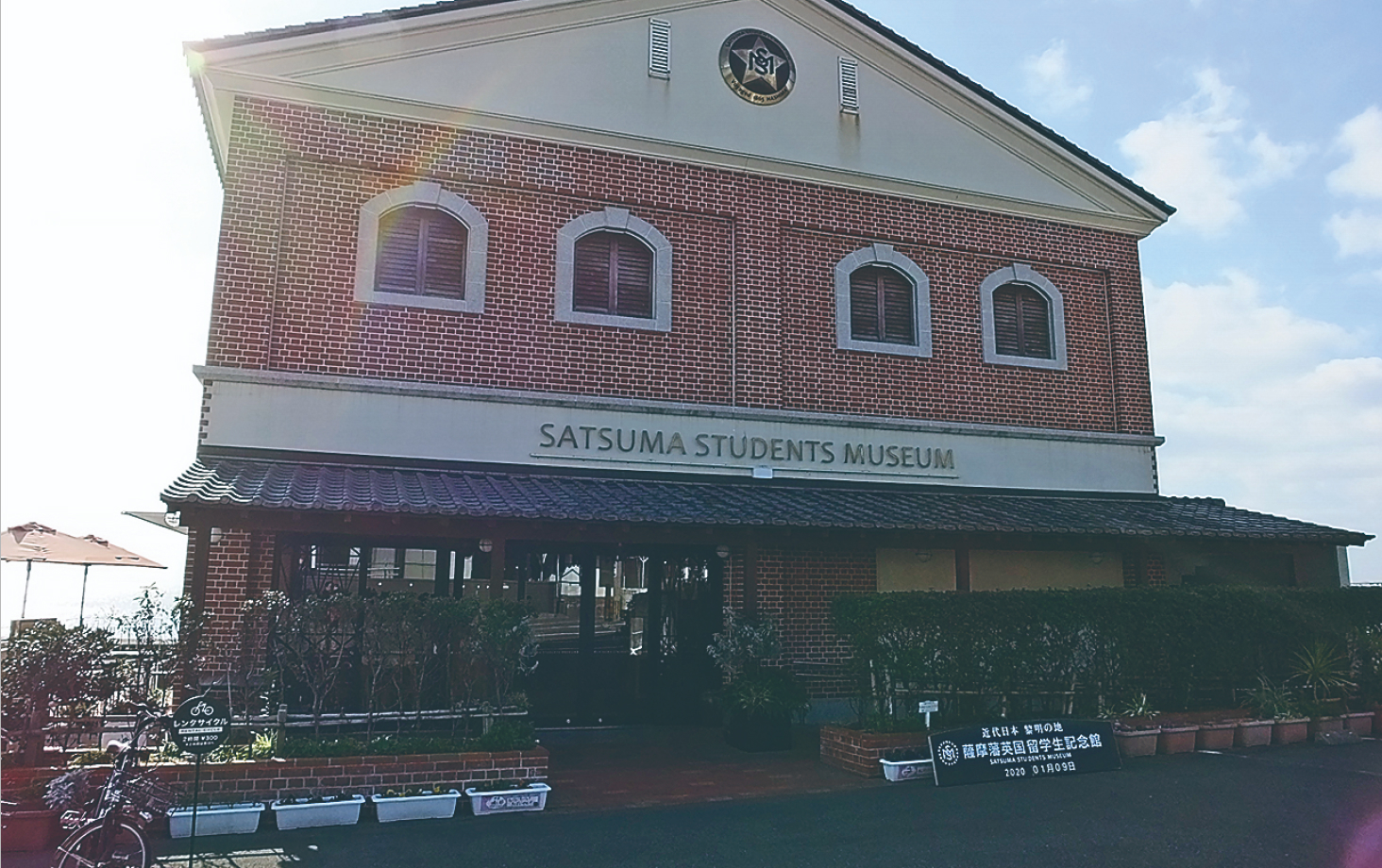
Satsuma Domain British Students Memorial Hall
| Address | 4930 Hashima, Ichikikushikino City, Kagoshima |
|---|---|
| Map | MAP |
| TEL | 0996-35-1865 |