
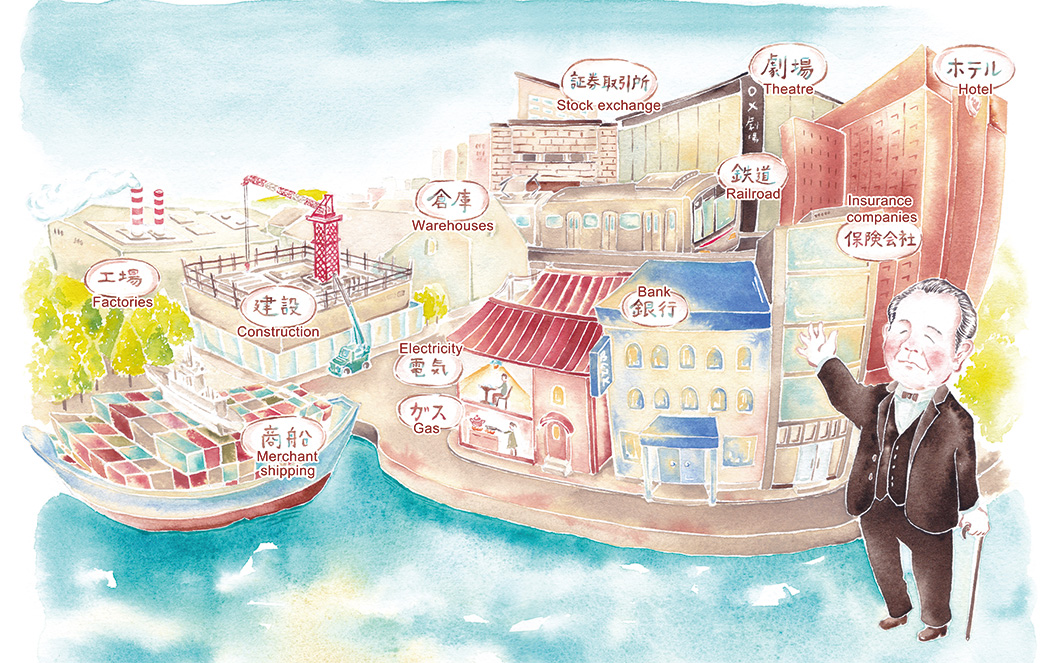
A sound currency for a modern nation
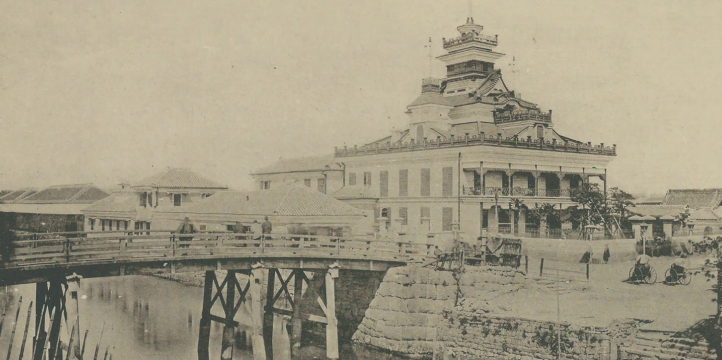
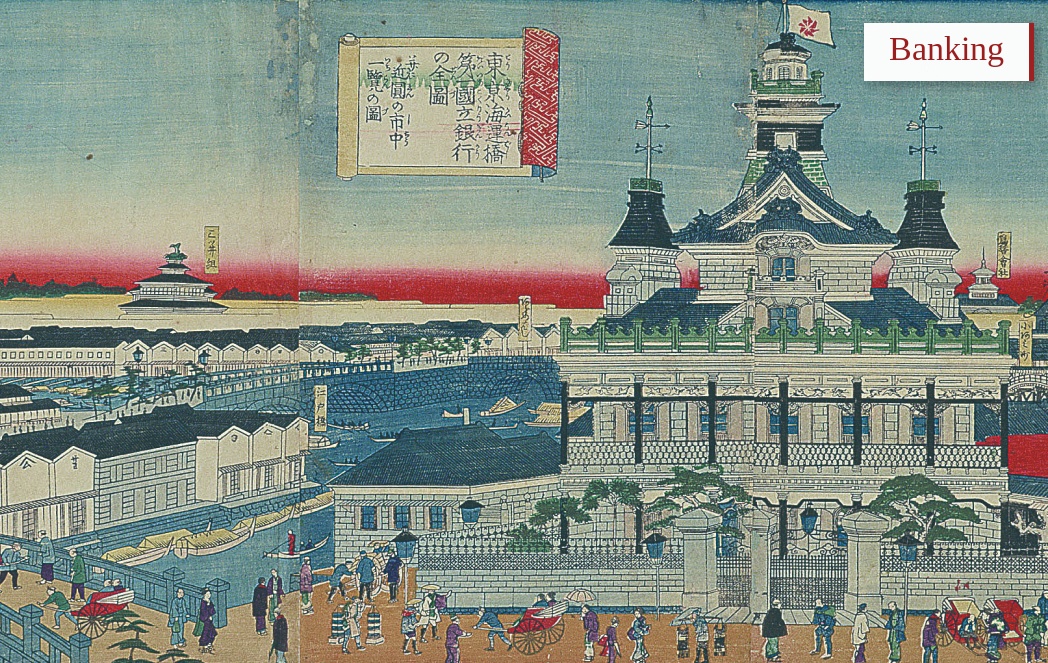
Japan in the 1870s urgently needed modern financial institutions and a sound currency. At the Ministry of Finance, Shibusawa had helped draft the National Bank Act; reentering the private sector in 1873, he launched Japan's first modern bank, The First National Bank (Dai-ichi Kokuritsu Ginko, later First Bank).
He formed a joint-stock corporation with Mitsui-gumi, which had a long history in the exchange business, as well as Ono-gumi and other investors, and a starting capital of 2.44 million yen. However, with Mitsui and Ono equally invested in the bank, they also shared the presidency and other corporate posts, which impeded the smooth running of the company. Shibusawa therefore served as mediator in his position as "General Director."
The bank's difficulties continued. One year in, Ono-gumi went bankrupt and about 1.38 million yen in loans could not be collected. Shibusawa recovered Ono-gumi's shares in the bank and other assets and sought to minimize the damage. He then assumed the presidency, a post that he retained for over 40 years. Thereafter, the bank made repeated mergers, and today, has become the megabank known as Mizuho.
Shibusawa left us a glimpse of his thoughts on the banking industry: "A bank is like a big river. There's no limit to its uses. But money that isn't yet collected in banks is no different from water in a ditch or a barely moving stream.... Once a bank is established and the water is allowed to flow... everything about the condition of the country can be transformed."
Enabling corporations to take root in Japan
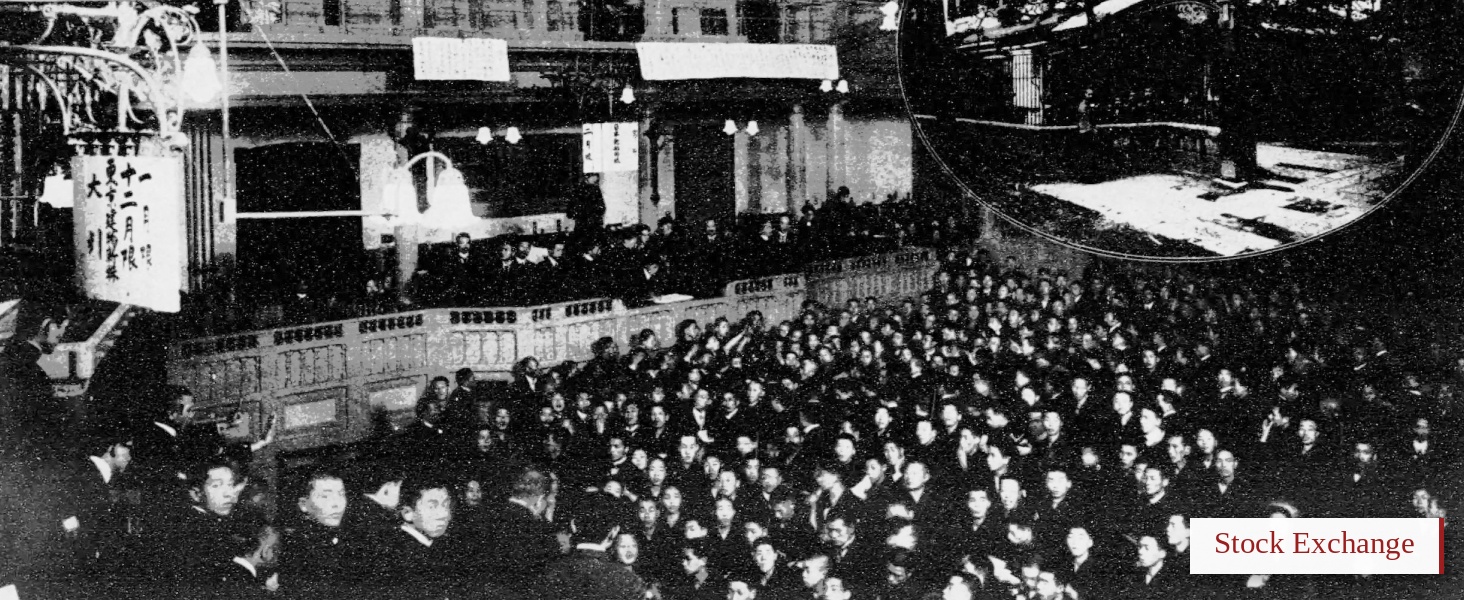
Shibusawa believed that the joint-stock company ("corporation") structure he saw in Europe had a future in Japan, and he strongly advocated establishing a stock exchange. Six days after the 1878 Stock Exchange Act came into effect, he and his associates filed an application to found a stock exchange. Five days later, license in hand, they got started, with 14 employees and 76 brokers. That became today's Tokyo Stock Exchange.
The early investors included a good balance of government officials, financial companies, and business operators like Shibusawa, the intent being to prevent control by any given sector. Shibusawa also insisted that, "As a matter of principle, we will have nothing to do with speculation or anything akin to it," and after opening the exchange, he disposed of his own shares in the exchange and refused to take any post in the body.
Reading the future and creating the property and casualty insurance business
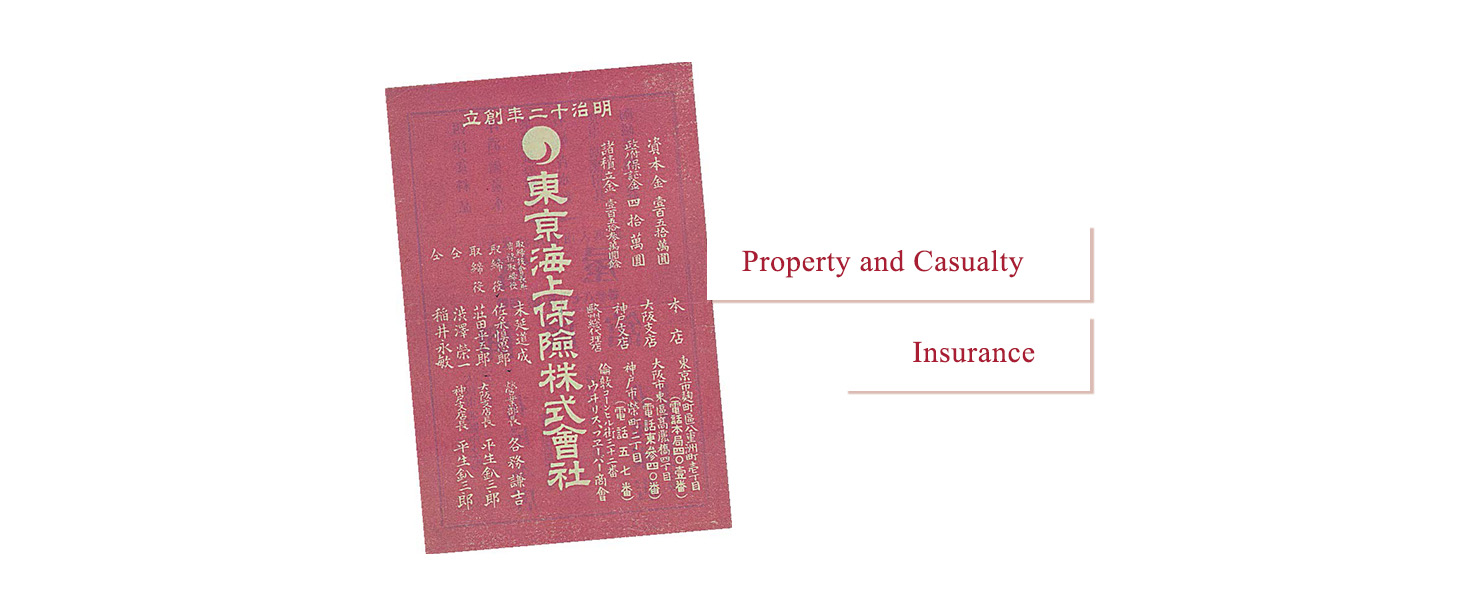
Shibusawa was keenly aware that the development of industry and trade required insurance systems and he suggested to some aristocrats investing in government enterprises that they establish a marine insurance company. In 1879, the predecessor of today's Tokio Marine & Nichido Fire Insurance was established with about 200 investors, including aristocrats and businessmen in trade and shipping. Shibusawa and Iwasaki Yataro (the founder of Mitsubishi) served as General Counsel. The articles of incorporation were in quality and quantity the model of a full-scale corporation.
From the beginning, the company focused on the thriving overseas market and aggressively expanded into Hong Kong, Shanghai, London, Paris, and New York. Following a management crisis in 1894, Shibusawa became a corporate director and gave his support to the young people who were striving to rebuild the company.
Logistics / TransportTransporting large volumes of cargo and people for a modern Japan
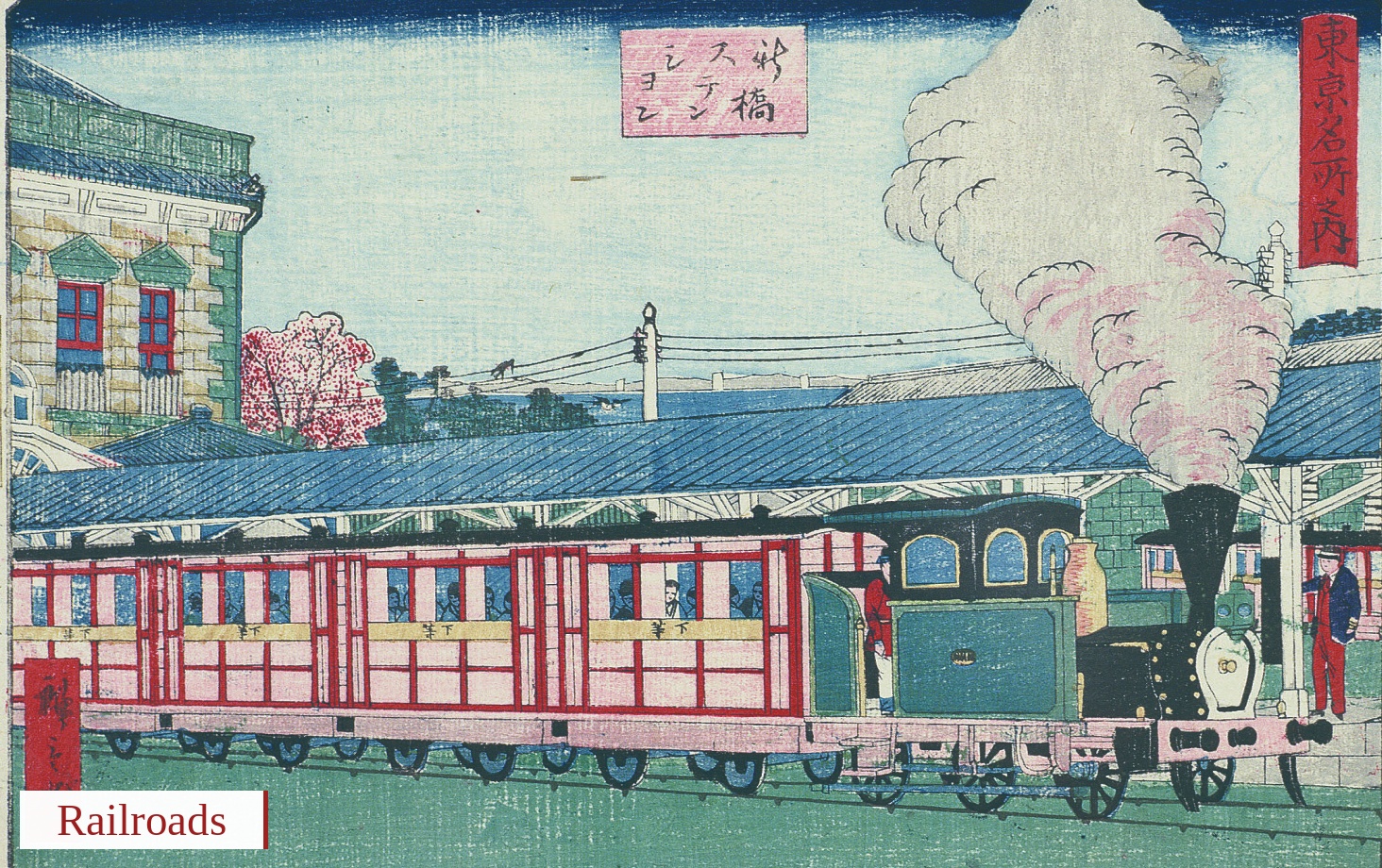
Shibusawa visited Europe in the 1860s and realized that building railway networks was essential for economic development. He joined the management of Japan Railways (now JR EAST) three years after its establishment in 1881. He opposed nationalizing the railways, but in his capacity as president of the Tokyo Chamber of Commerce, he asked the government to take over the railways when they foundered in the depression of 1901. The rail company he had founded and managed came under government control, but others he was affiliated with, such as Chichibu Railway and Keihan Electric Railway, remain private today.
He also founded the Den-entoshi Co. in 1918 as part of efforts to develop residential suburbs near Tokyo. He tapped Goto Keita to take over the company, which was the predecessor to today's Tokyu Corp.
Challenging the Mitsubishi monopoly
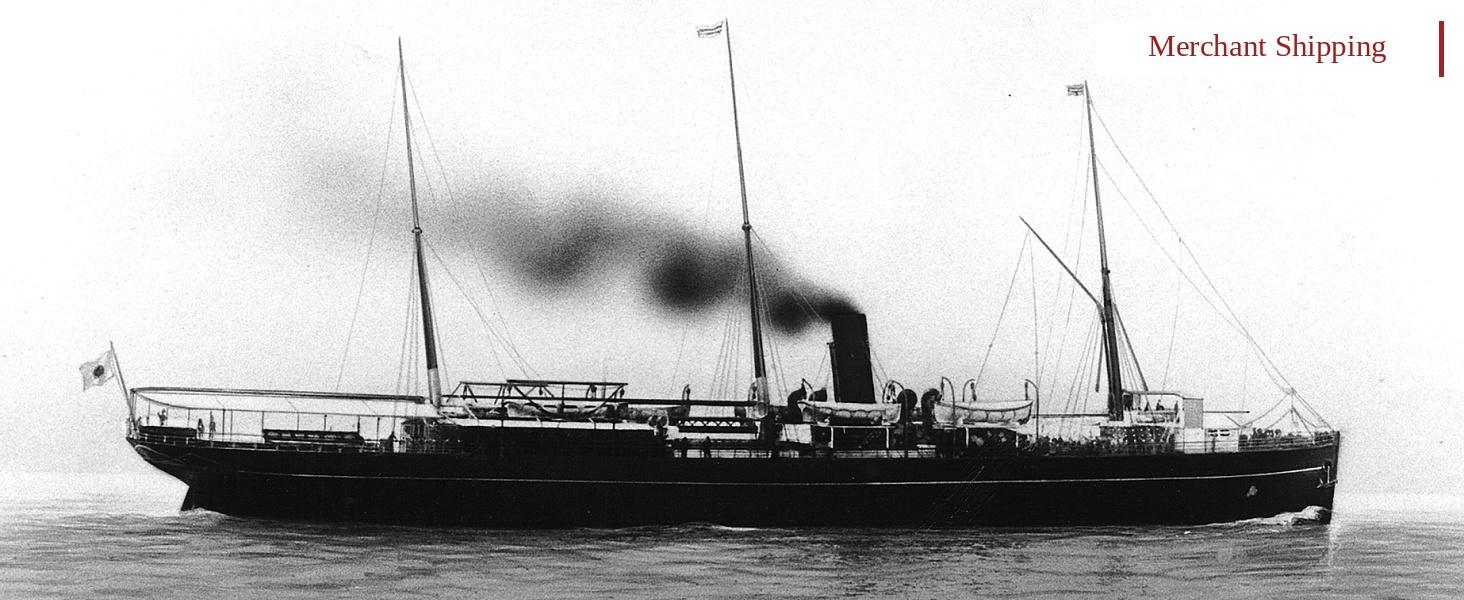
A shipping industry was indispensable for the modern trading country Japan aimed to become. Shibusawa and associates in the government established a joint-stock shipping company to compete with Yubin Kisen Mitsubishi Kaisha, which had gained a virtual monopoly doing military transport during the wars of early Meiji. A fierce rate war followed between the two companies. The government feared they'd take each other down and in 1885 it mediated to conclude a merger between them, creating a new shipping company named Nippon Yusen Kaisha (today's NYK Line). Shibusawa became one of the company's directors.
HotelsMeeting international standards with a hotel like those overseas
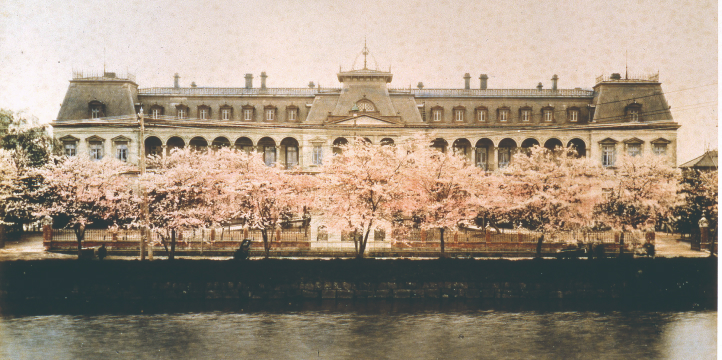
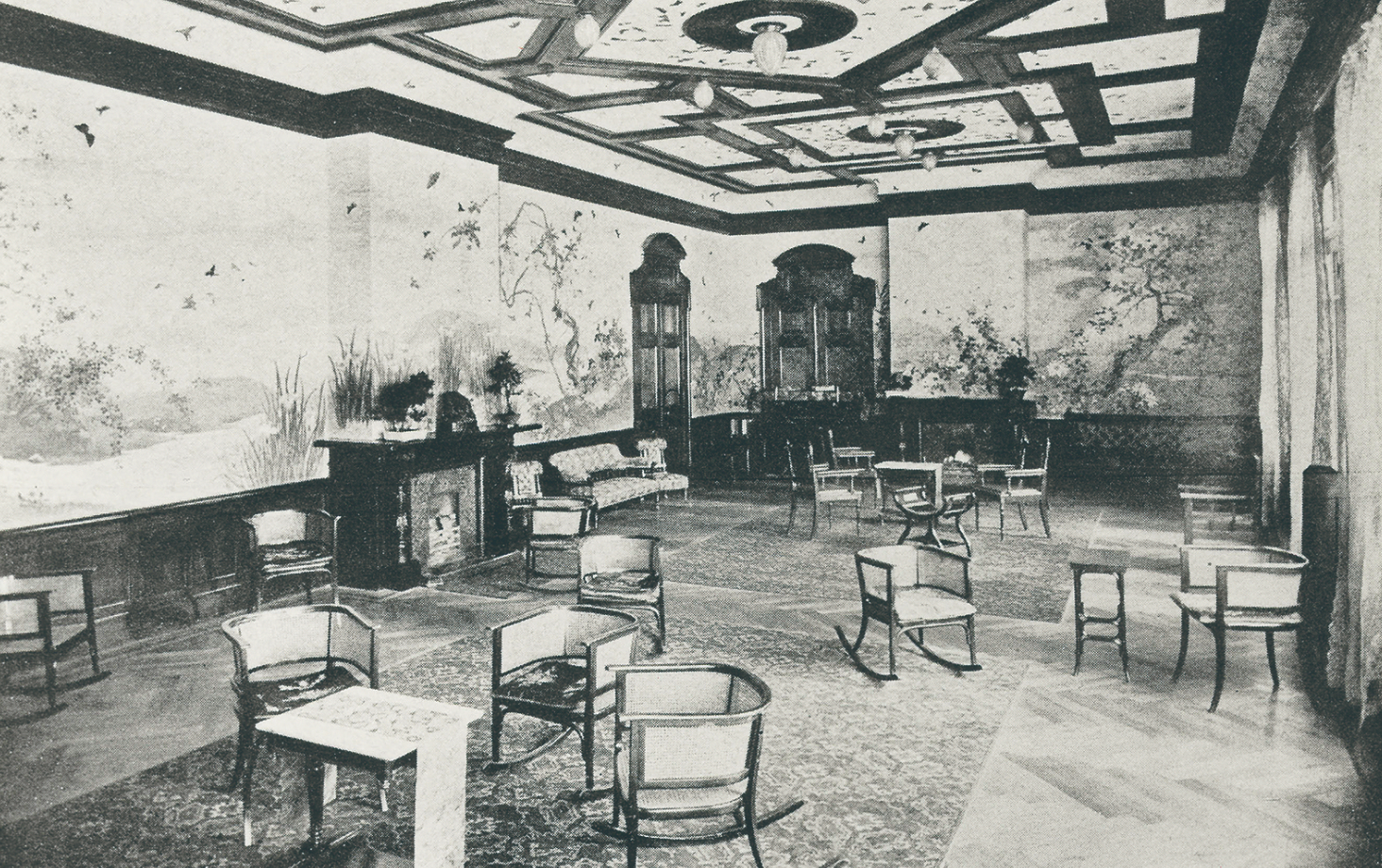
It was in 1879 that Shibusawa realized with distress that "Japan has no hotel meeting international standards where it can welcome foreign guests." The 18th president of the U.S., Ulysses S. Grant, was visiting Japan that year, and Shibusawa received him on behalf of the private sector. Accordingly, in 1887, Shibusawa partnered with Okura Kihachiro to found the "Imperial Hotel Co." Shibusawa believed that welcoming large numbers of visitors to Japan would help promote international understanding and increase foreign trade.
IndustryProducing high-quality fiber in Japan with an eye to building domestic industry
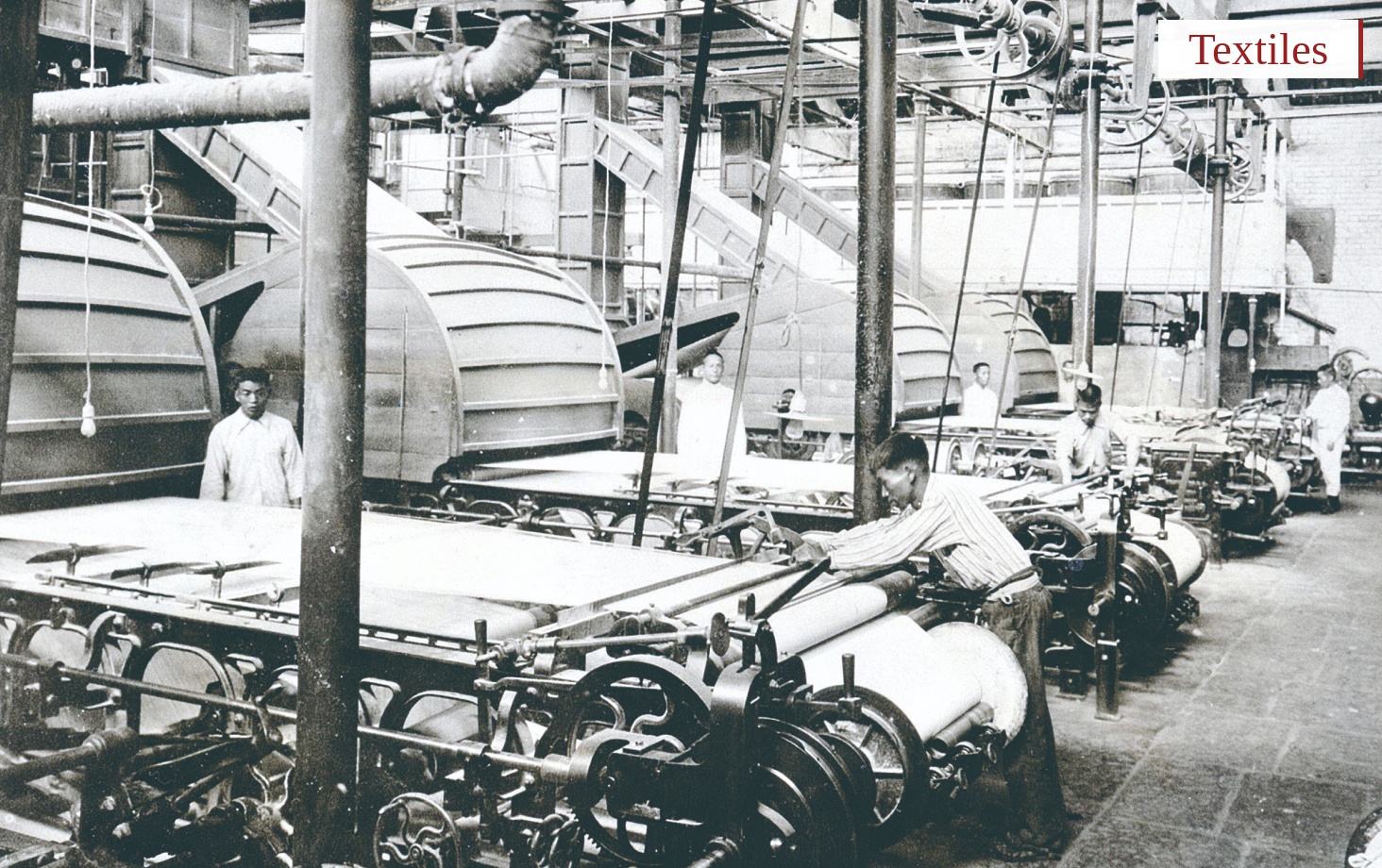
Shibusawa was concerned that because foreign buyers were bringing down the price of raw silk, an important Japanese export item, Japanese producers were making coarser grades of silk. He therefore established Japan's first modern domestic silk mill in order to produce high-quality raw silk. It was 1872, and he was then in the Ministry of Finance.
He also recognized that the import of cheap, high-quality cotton cloth from India would slow Japan's industrial independence and therefore also established a cotton spinning company. He hired Yamanobe Takeo, then in the UK, and had him train in mechanical engineering and the spinning industry. Through Shibusawa's mediation, Osaka Spinning Co., founded in 1882, merged with Mie Spinning in 1914, to create what today is known as Toyobo. Through other mergers in 1931, it became the world's largest spinning company.
Shibusawa Eiichi's role in spreading the use of gas
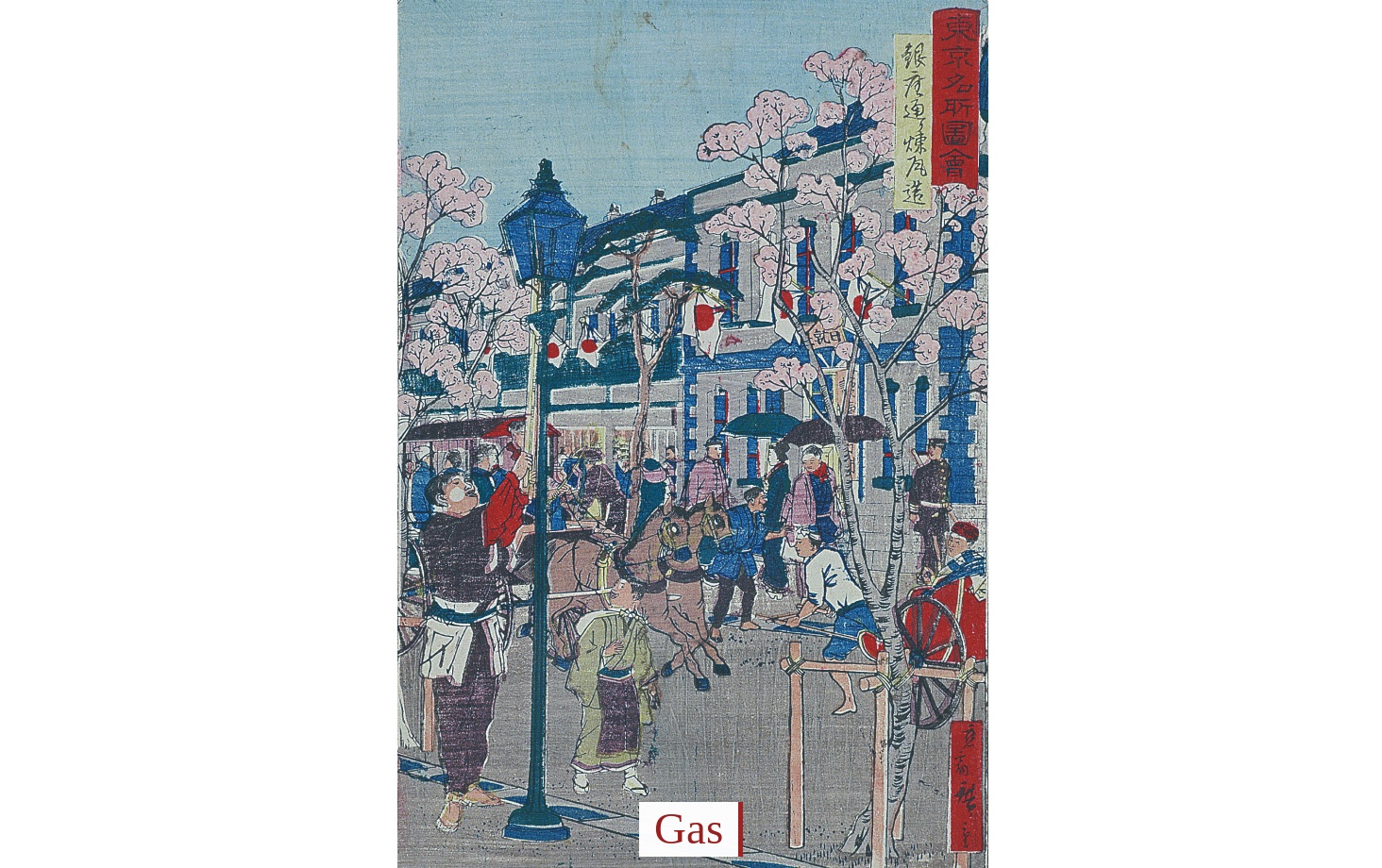
Japan's first gas lamp was lit in Yokohama in 1872, and the gas business got its start in Tokyo in 1874. Managing the operation was the Tokyo Chamber of Commerce, which was headed by Shibusawa Eiichi. It was eventually transferred to the private sector, but unlike many other early Meiji pilot businesses, it was not sold off cheaply. Rather, it was placed on a sound footing and then sold for a reasonable price. Even after the birth of Tokyo Gasu Gaisha (today's Tokyo Gas), Shibusawa continued to lead the charge. Gas is critical to the public interest, and is a business that must serve society. The emphasis on social responsibility, as seen in The Analects and the Abacus, lives on as the legacy of the company's founder.
TheatreRemembering the opera he saw as a young man and building a theatre to represent Japan
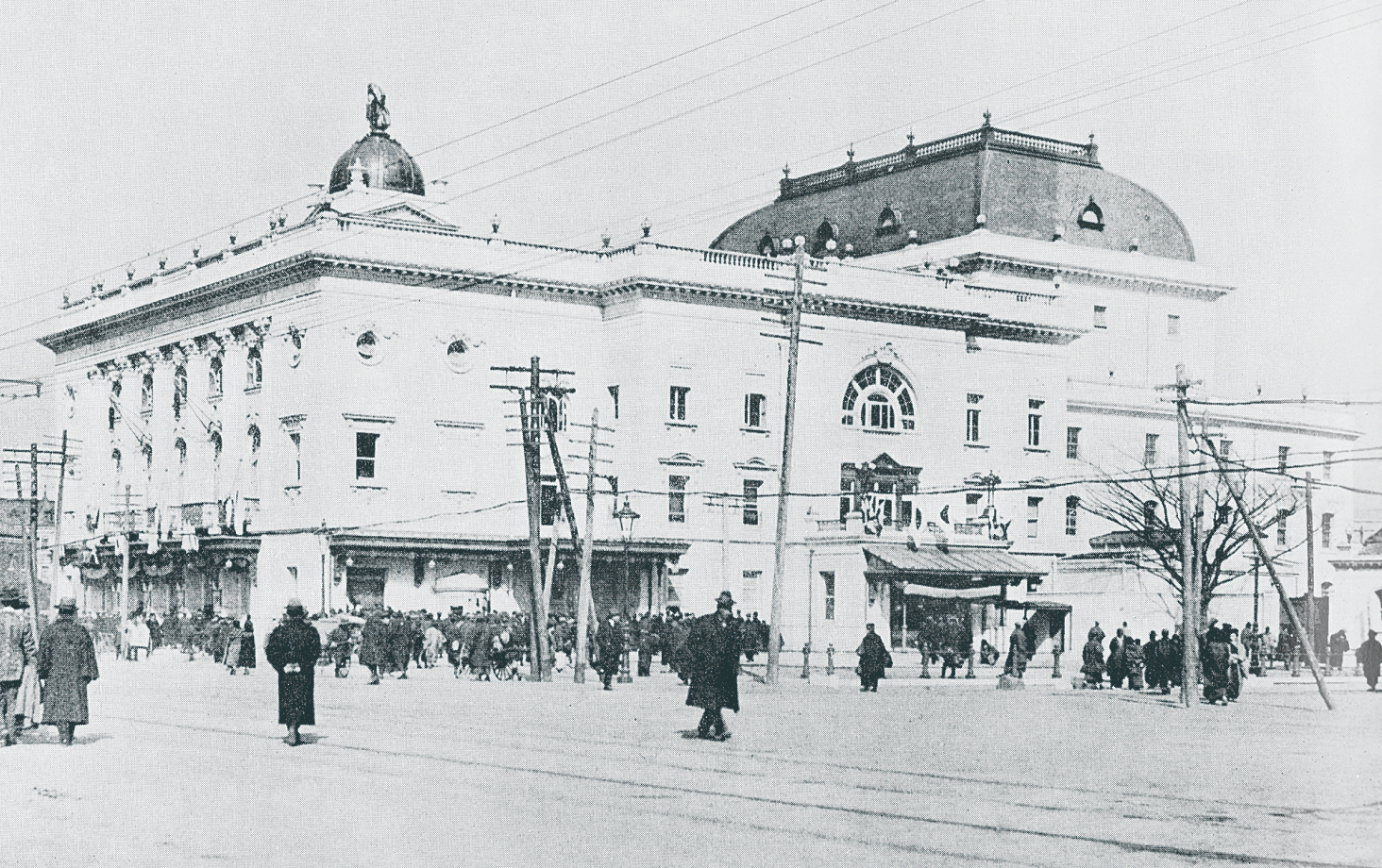
Shibusawa aspired to a Japan that would have a strong presence on the world stage. To that end, he established a theatre, following on his hotel. The reason for this was the high-quality theatre he saw when he attended the opera in France. In 1911, Okura Kihachiro led Shibusawa and others in founding Japan's first full-scale western-style theatre, the Imperial Theatre, which staged kabuki, Italian opera, Shakespearean drama, and other performances. The Imperial Theatre was destroyed in the 1923 earthquake but was rebuilt the following year. A famous department store ad campaign ran, "Today the Imperial Theatre, tomorrow Mitsukoshi," signaling the status of the Imperial in Japanese popular culture.