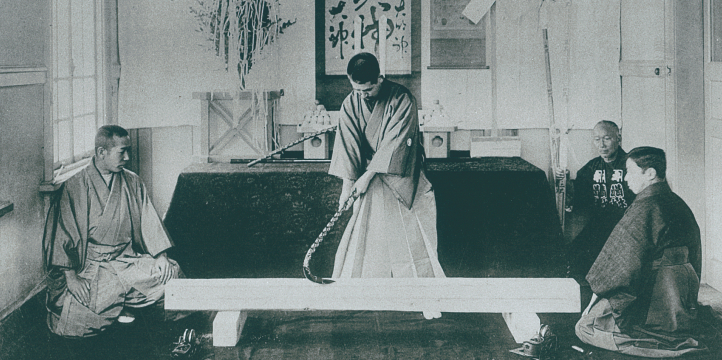
The Analects and the Abacus as company credo
Shimizu Corporation is a leading Japanese construction company with a history dating back to over 200 years. Its work is seen in landmark Japanese buildings, both traditional and cutting-edge, such as Yoyogi National Stadium, Yasuda Auditorium at the University of Tokyo, the Kabukiza Theatre, the Main Hall at Senso-ji [Temple], Yokohama Stadium, and many others.
The Shimizu Corporation credo comes from Shibusawa Eiichi's teachings in The Analects and the Abacus. As Shimizu chairman Inoue Kazuyuki explains, it means, "'Economic activity and morality are inseparable,' conveying the concept that a business can prosper by contributing to society through ethical corporate activities. We aim to ensure that all our corporate officers and employees practice Shibusawa's teachings and carry forward the spirit of 'Customer First' and 'Monozukuri [craftsmanship],' principles that we have cherished since our founding."
Technical excellence and sincerity of character
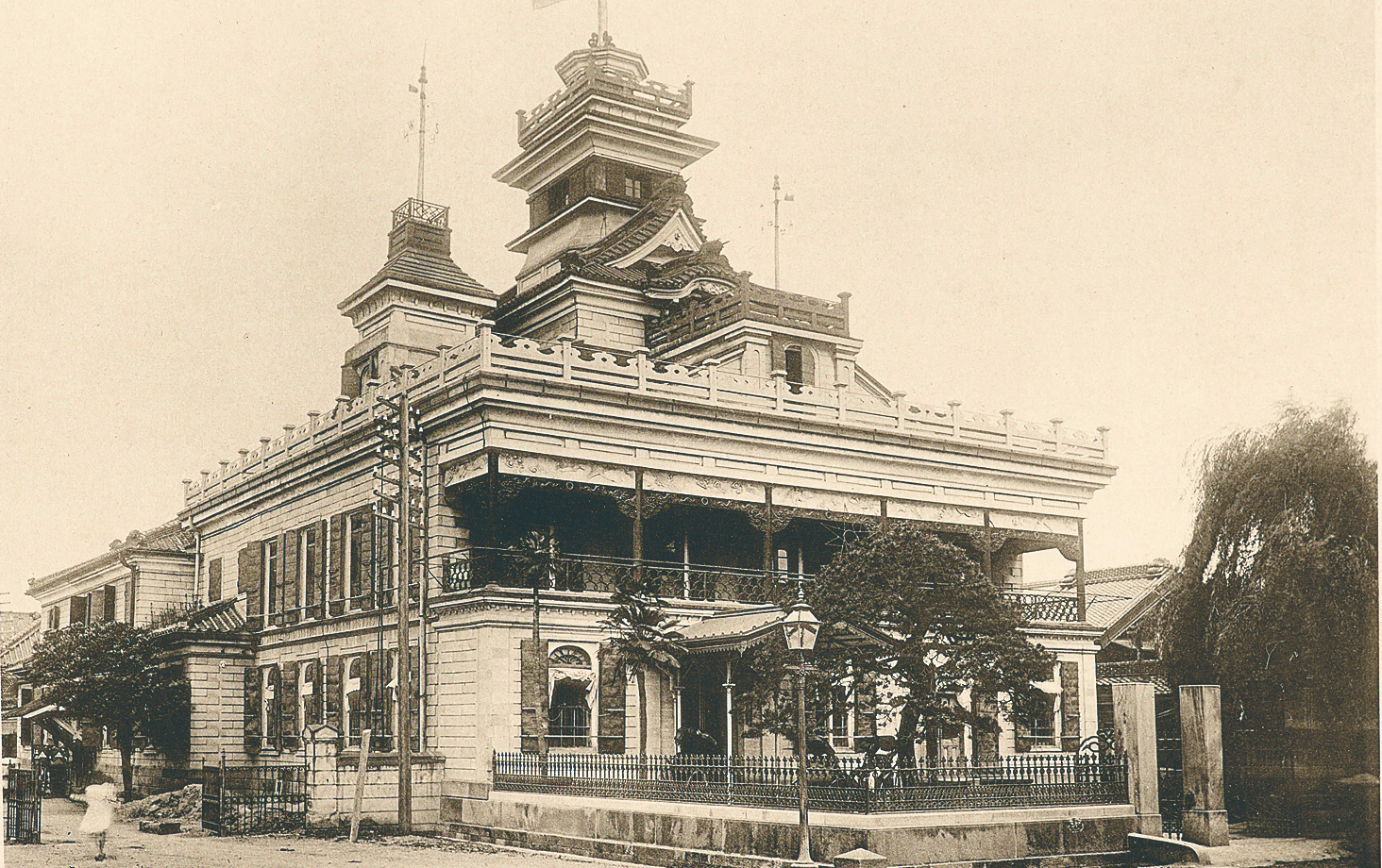
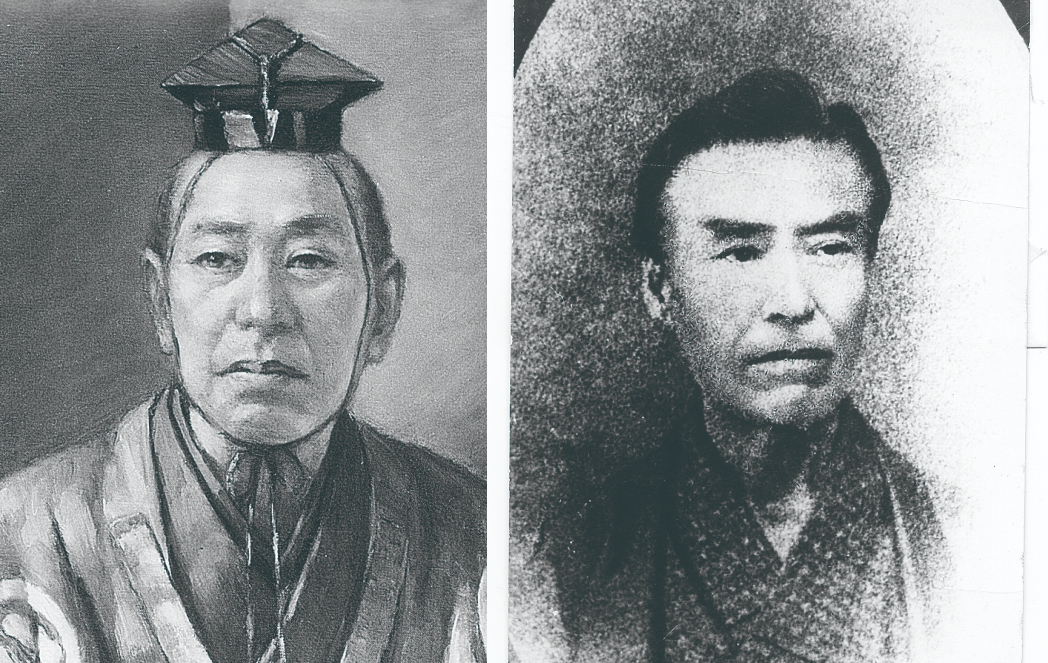
Shimizu Corporation was founded in 1804 by Shimizu Kisuke, who earned a reputation for sincerity, outstanding skill, and dedication to his work. He even worked on Edo Castle. Shimizu Kisuke II learned traditional construction techniques directly from his predecessor and also studied Western architecture under foreign engineers. He designed and constructed one innovative building after another that symbolize Japan's modernization. It was when he was building The First National Bank (Dai-ichi Kokuritsu Ginko) that Kisuke II met Shibusawa, then the Bank's Chairman. Shibusawa had a high regard for Kisuke II's skills and the relationship between them deepened. Shibusawa had six houses built in his lifetime, four of them by Shimizu.
Asking Shibusawa to play the role of advisor
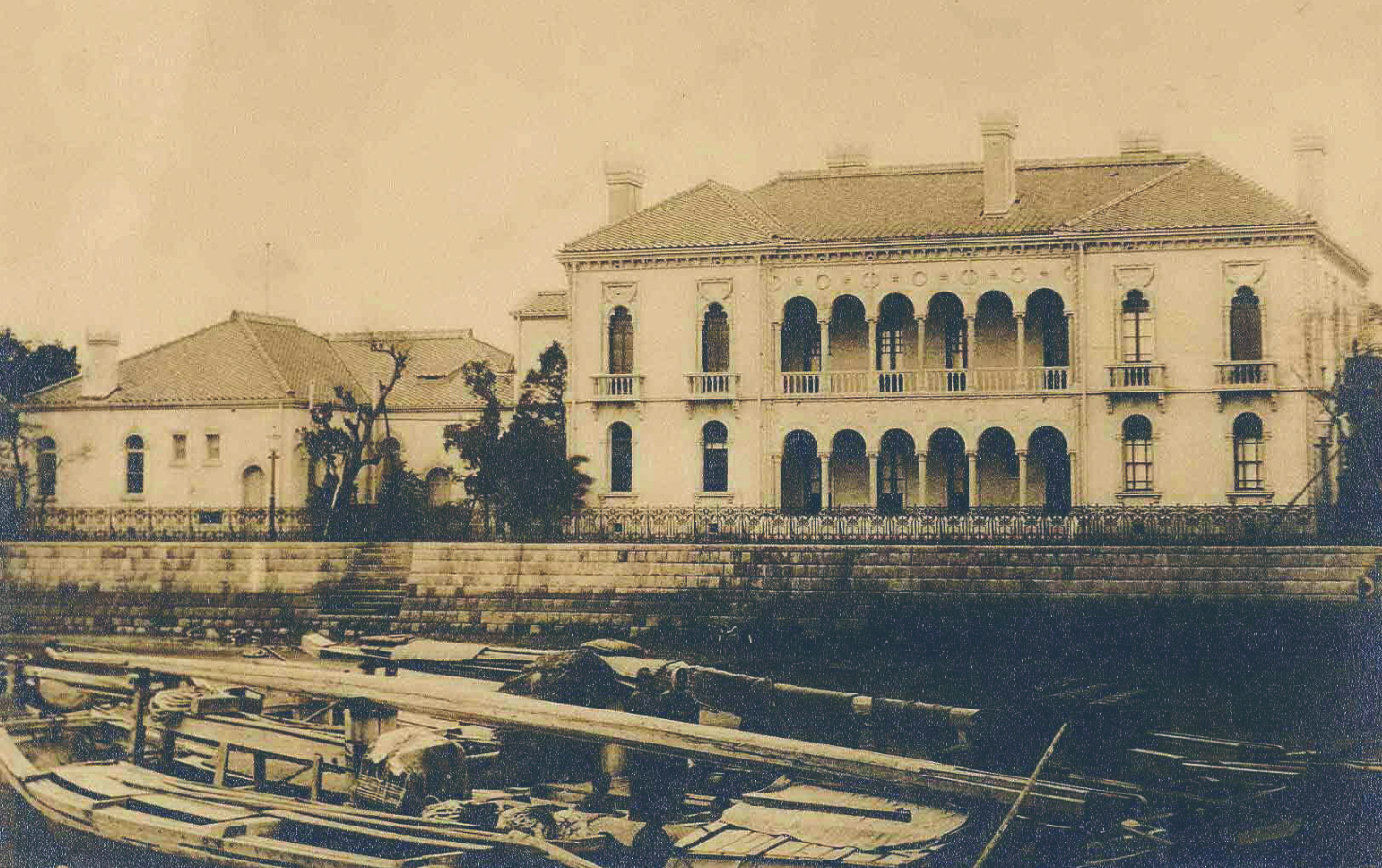
In 1881, after Kisuke II's death, his son-in-law, Man-nosuke, took over the company. Man-nosuke was active in traveling abroad to study the latest technologies and aimed to establish a modern contracting business in civil engineering, but he died suddenly after just six years at the helm. His eldest son was only eight years old at the time and in accordance with Man-nosuke's will, Shibusawa stepped in as advisor.
Under Shibusawa's leadership, Shimizu Corporation formulated its "corporate principles," "enacted house rules for the Shimizu family," and modernized the business. Shibusawa articulated his vision for Shimizu's approach to business as follows: "Carry out your work with greater care and honesty than you would build your own home. The number of your customers will gradually increase and your business will prosper."
The close relationship between Shibusawa and Shimizu Corporation lasted about 60 years. Shimizu constructed a number of corporate buildings, factories and educational or medical facilities with which Shibusawa was connected, and in the process, grew into one of Japan's largest construction companies.
The Former Shibusawa Residence: designed and built by Shimizu Corporation
Now open at Shimizu Corporation's "Smart Innovation Ecosystem NOVARE" site, the Former Shibusawa Residence showcases the deep connection between Shimizu Corporation and Shibusawa Eiichi.
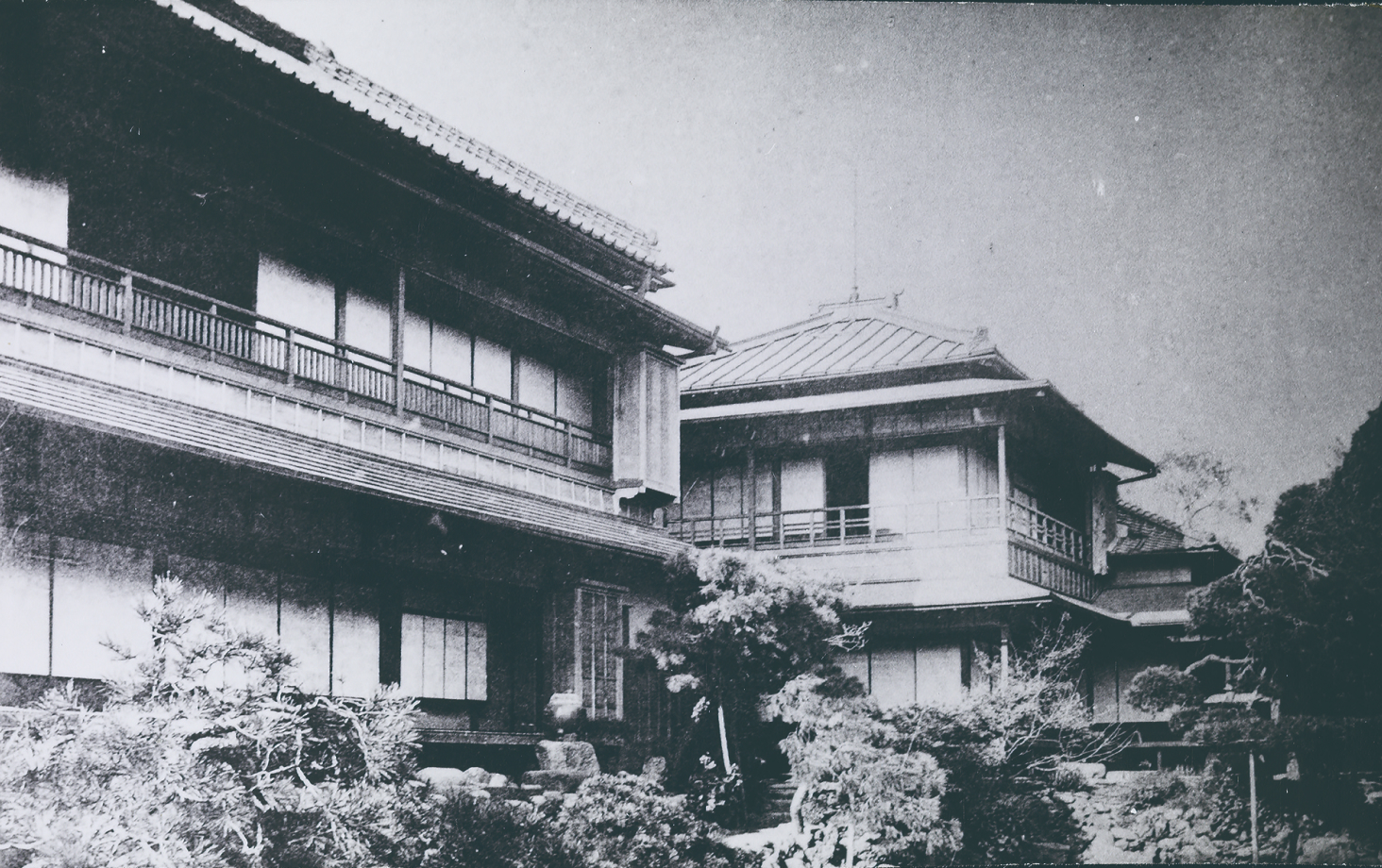
A treasure for understanding the history of modern Japanese housing
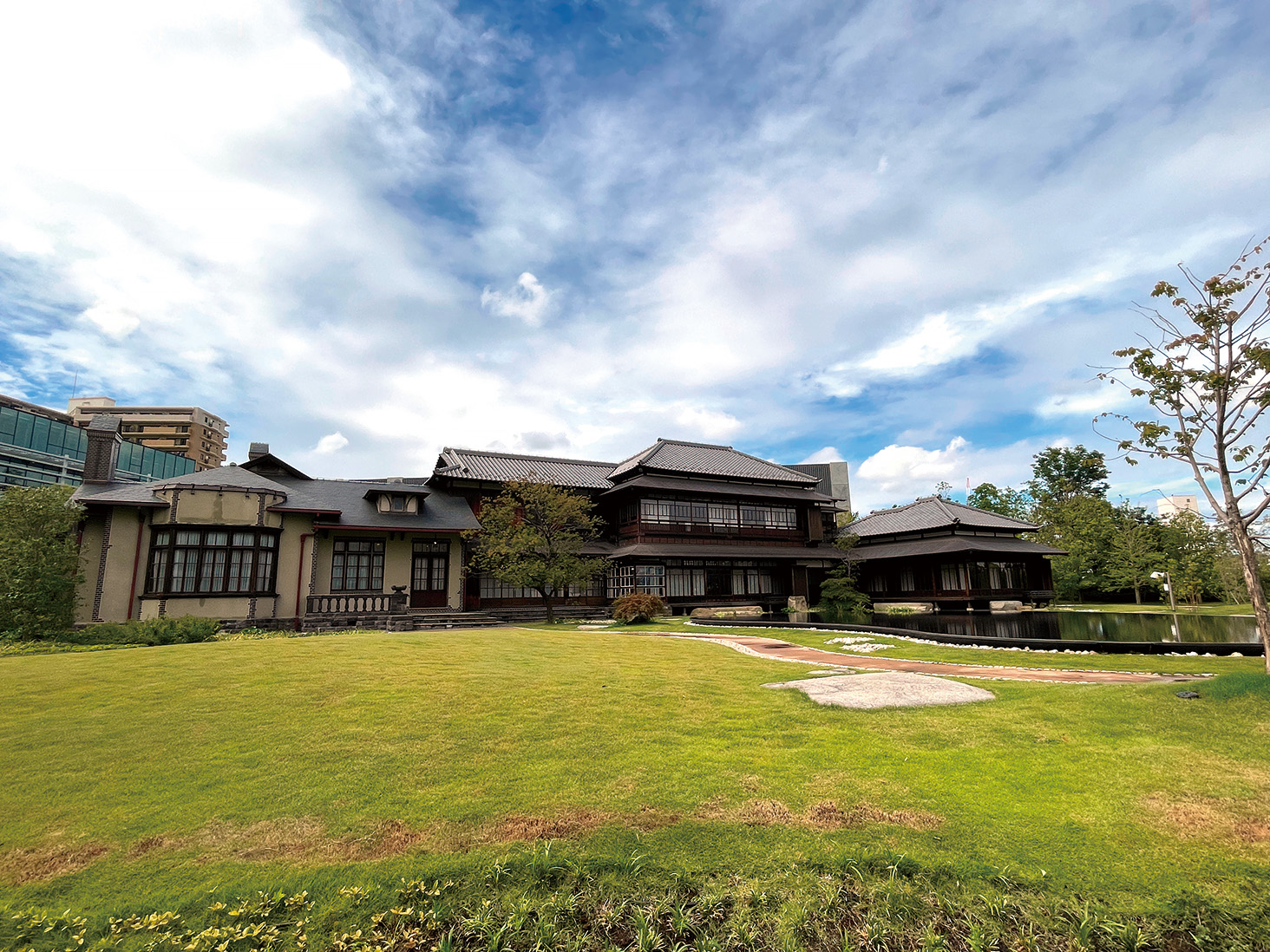
The Former Shibusawa Residence, one of several owned by the family, was built by Shimizu Corporation and is preserved and open to the public (at Shiomi station, Keiyo Line, three stops from Tokyo Station). Its original building was designed and built by Shimizu Corp.'s second-generation owner, Shimizu Kisuke II, in Koto City, Tokyo. Shibusawa Eiichi and his family lived there for four generations.
Many changes followed: the home was moved across town to Minato City in 1908; in 1930, extensive renovations were made and a Western-style building added; the government acquired it after World War II and it became the official residence of the Minister of Finance and a conference venue; and in 1991, it was saved from demolition and relocated to Aomori Prefecture through the effort of Sugimoto Yukio, secretary to the Shibusawa family. In 2019, Shimizu Corporation acquired the house, which had suffered due to age and many years of heavy Aomori snows. The company restored the house and moved it to its present location, not far from where it was originally built. You might say it has "come home."
The Residence remains intact today because of its importance as Shibusawa Eiichi's one-time home and as the only surviving Shimizu Kisuke II building. A valuable asset for understanding the history of modern Japanese housing, it has been designated a Koto-ku Tangible Cultural Asset.
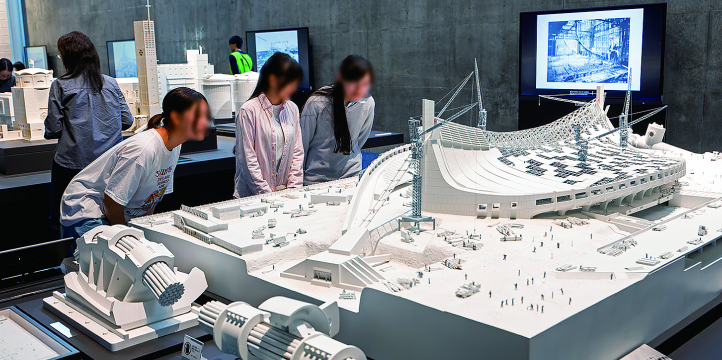
After relocating and restoring the house, Shimizu Corporation made it open to the public as the Former Shibusawa Residence in April 2025, along with the neighboring Shimizu Corporation Historical Museum (NOVARE Archives). The tour schedule for the Residence changes by season, and reservations are by lottery only. We suggest that you ask your hotel concierge's help well in advance. Reservations for Shimizu Corp. Historical Museum can be made on shorter notice.
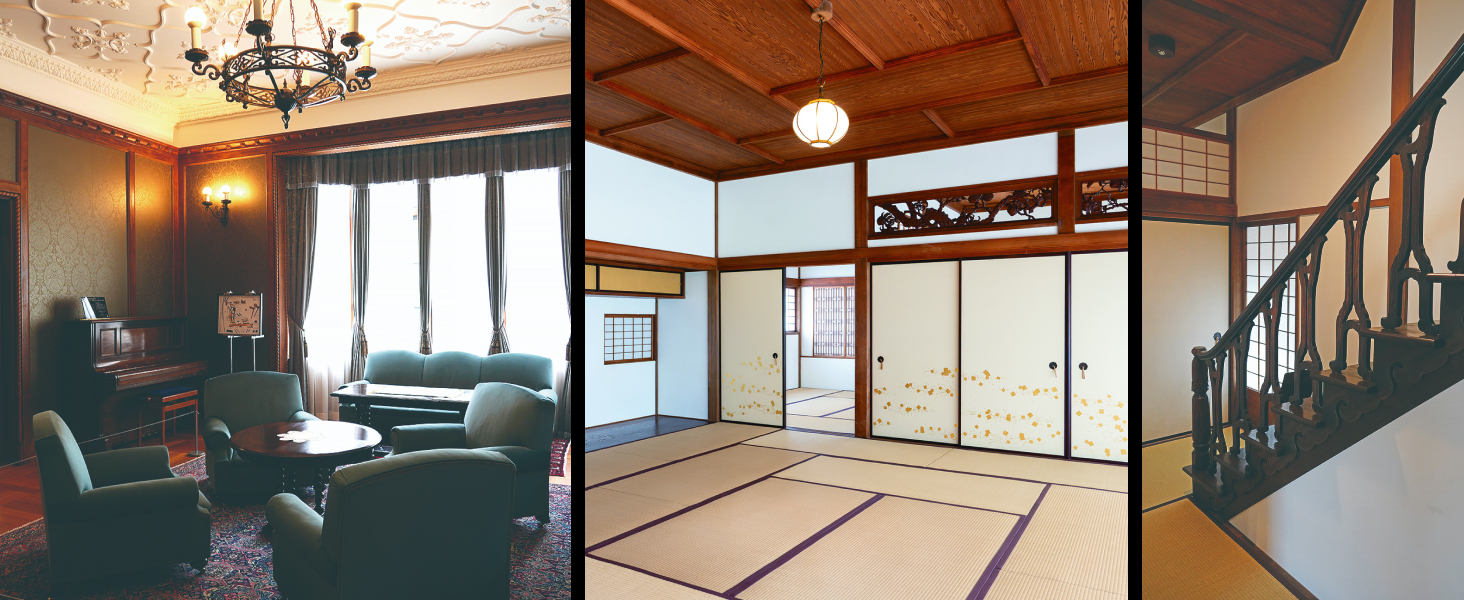
Center: the alcove pillar is made of agarwood. The ceiling is a single plank of Jindai cedar.
Right: The staircase, made of beautiful, precious woods, including black persimmon, red sandalwood, and zelkova
Reservation for Former Shibusawa Residence
https://www.shibusawa-residence.jp/en/tour/
Becoming a "Smart Innovation Company"
Shimizu Corporation, with its venerable history, is striving to create cutting-edge value and contribute to the realization of a sustainable society.

Former Executive Director, NOVARE
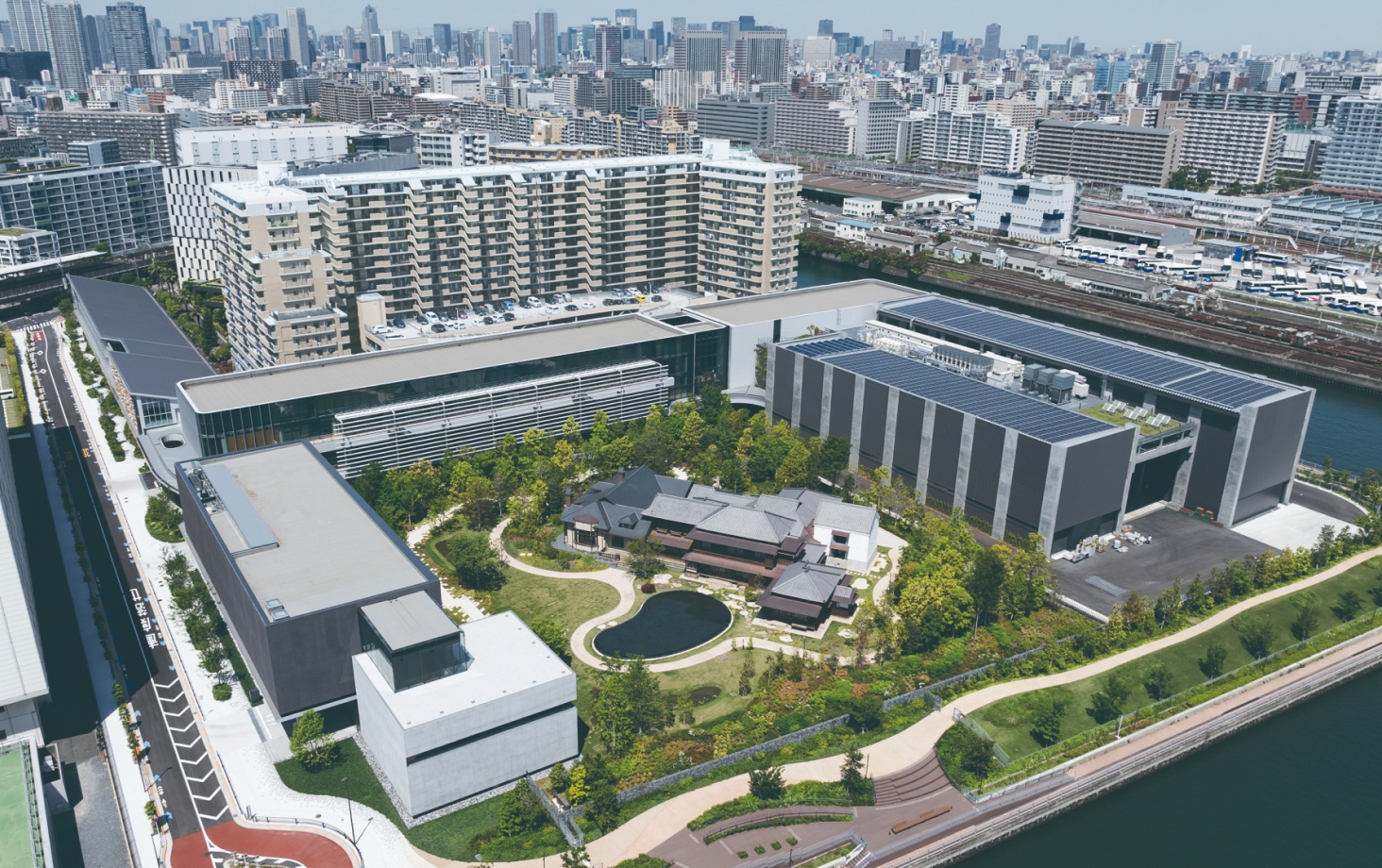
NOVARE, a hub for promoting innovation and developing talent
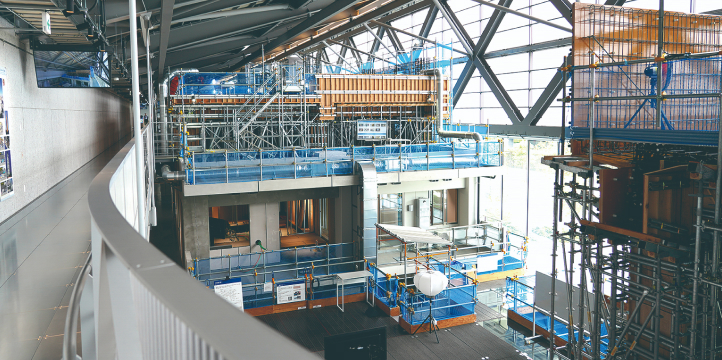
Since 2023, Shimizu's "Smart Innovation Ecosystem NOVARE" has operated as a hub for promoting innovation and developing talent. Sharing its extensive grounds are the Former Shibusawa Residence, relocated and restored by Shimizu Corp., the NOVARE Archives historical museum, the NOVARE Hub for open innovation platform, the NOVARE Lab research facility, and the NOVARE Academy hands-on training facility (only the Shibusawa Residence and the NOVARE Archives are open to the public).
"Shimizu Corporation is striving to become a 'Smart Innovation Company,'" Vice President Onishi Masanobu explains. "We aim to transcend the boundaries of the construction business and create value that is ahead of its time. NOVARE promotes powerful innovation in three areas — business structure, technology, and talent — to explore the essential needs of our clients and society and provide a diverse array of value."
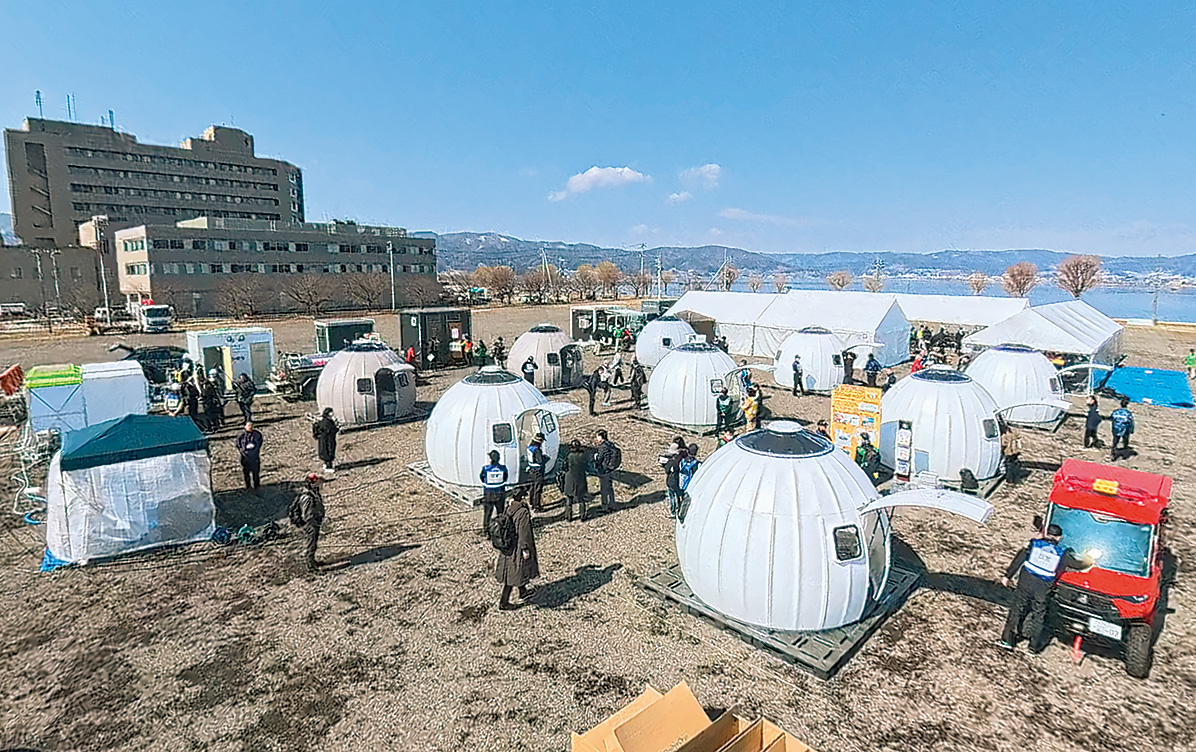
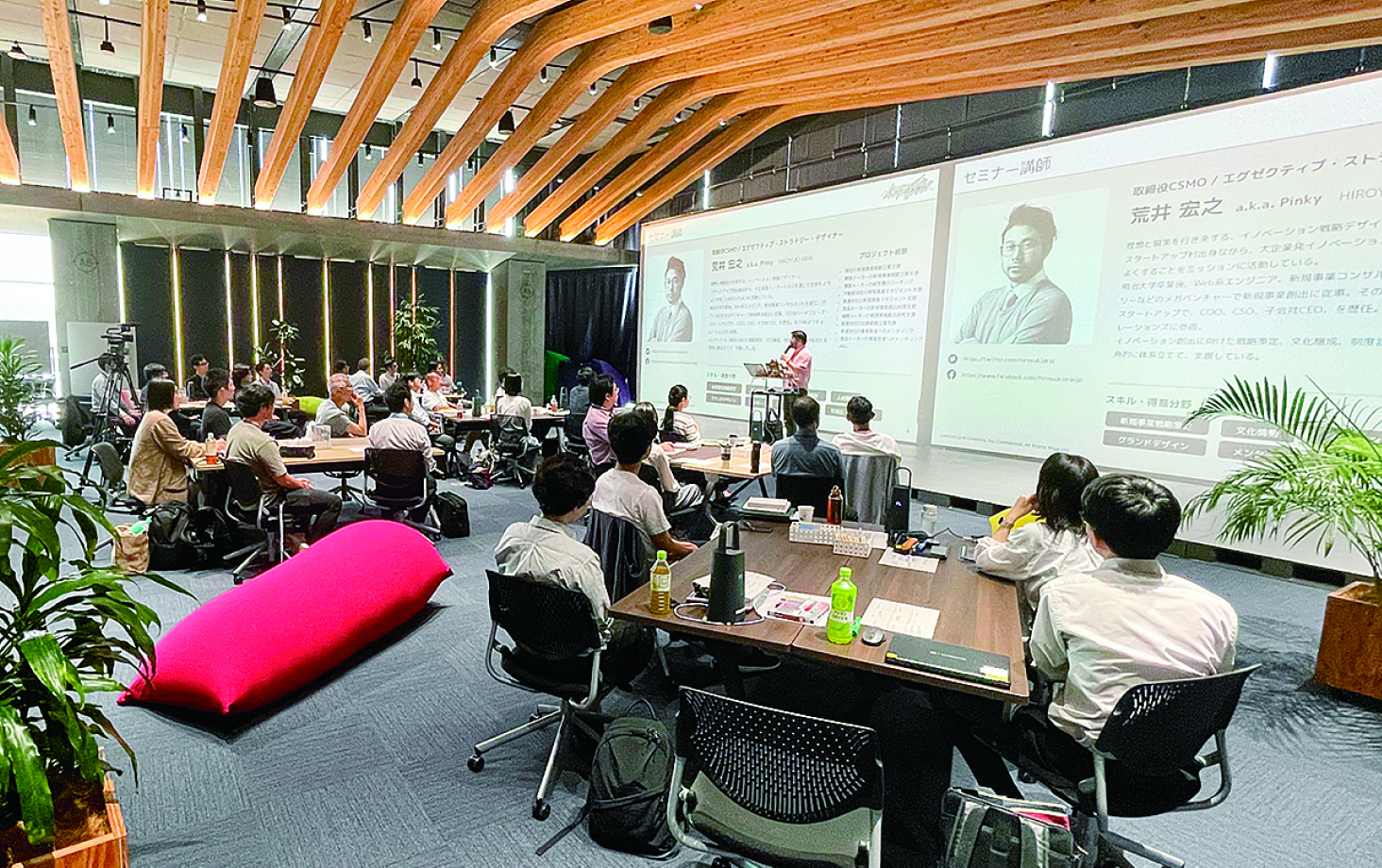
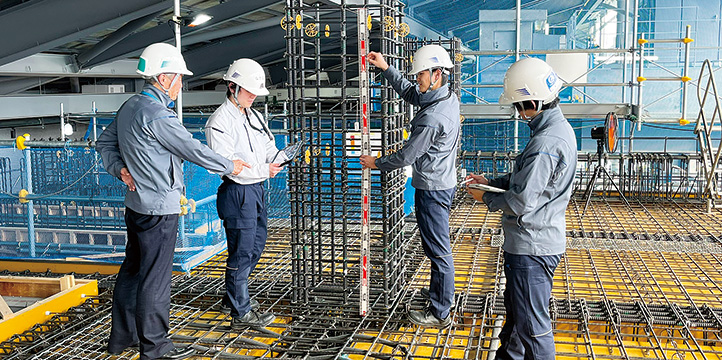
"First, under 'business structure,' we support the launch of new businesses within the company and the use of our entrepreneurial support program, Corporate Venturing (CV). Four venture companies have been launched using the CV, including one that connects traditional Japanese craftsmen with global customers and another that builds comfortable shelters for use in disasters with the goal of achieving zero disaster-related deaths. In 'technology,' we are nurturing 14 internally initiated projects and promoting the in-house adoption of technologies from startup companies that we support. In the area of 'talent,' we are sharing the history of Shimizu Corporation and Japanese architecture by opening the Former Shibusawa Residence and the NOVARE Archives to the public. Additionally, the NOVARE Academy gives employees on-site experience through mockups and digital media. We're also commercializing training programs for outside groups. Through these efforts, we are developing the future leaders of the construction industry."
Shimizu Corporation
2-16-1 Kyobashi, Chuo-ku, Tokyo / TEL: 03-3561-1111