I have been reporting on Japan's tea for many years, and these days, there's a new story: Global demand for matcha is booming – its vibrant green gleams on the streets of New York and Paris. It has taken the world by storm.
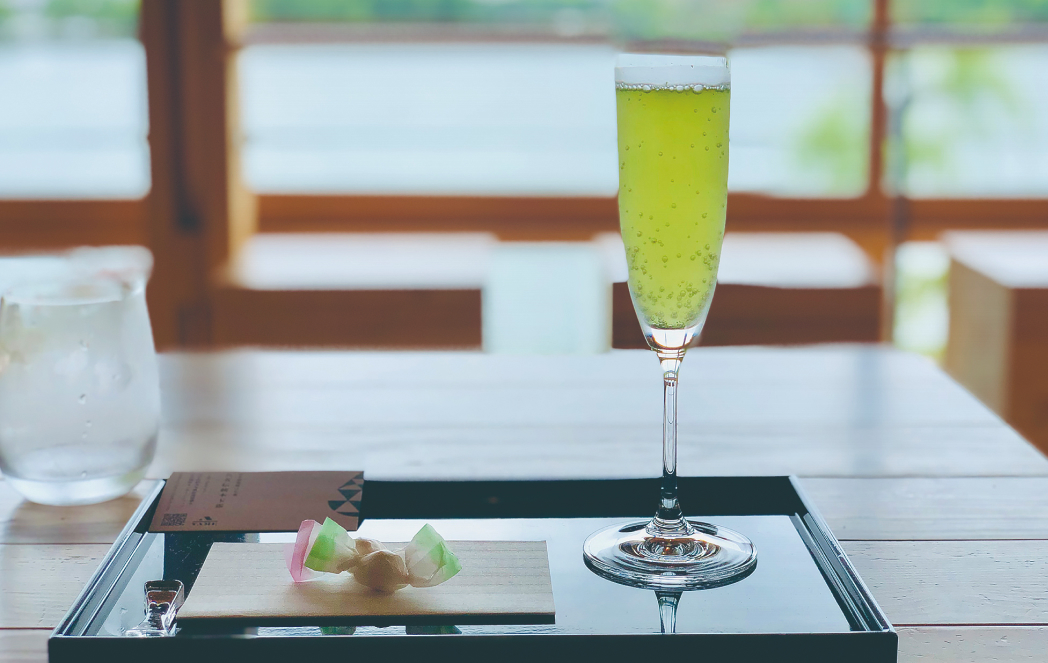
In the far west of Japan, the Kyushu region is connecting with global markets and becoming a new center for the world's tea lovers. Growers in Kagoshima are innovating on traditional techniques to respond to the demand for matcha, while producers in Yame, near Fukuoka, are beginning to export gyokuro tea that is bottled like wine.
This is a region of mountains and sea, rich in seafood, meat, and vegetables. Twenty percent of Japan's agricultural output comes from here, and its culinary culture draws on this bounty and the creativity of its people.
Yame's gyokuro tea approaches art. It has been ranked number one in Japan since 2001. Yame's climate is temperate with frequent fogs, ideal for tea, and the traditional technique of shading the tea plants from sunlight allows the leaves time to develop their rich flavor and sweetness. Every drop is a marvel. Even after all my years of reporting on tea, the first time I tasted this gyokuro, I was astounded at its depth, its rich, full-bodied flavor. The experience changed my understanding of tea.
I interviewed world-renowned sommelier, François Chartier, who is also enamored with Yame's gyokuro. He describes it as "fresh, fruity, and green, with the umami or savoriness of chicken soup." Indeed, the blend of aroma and flavor is reminiscent of wine. It was evident that he strongly wishes to bring to the world the wonder of gyokuro.
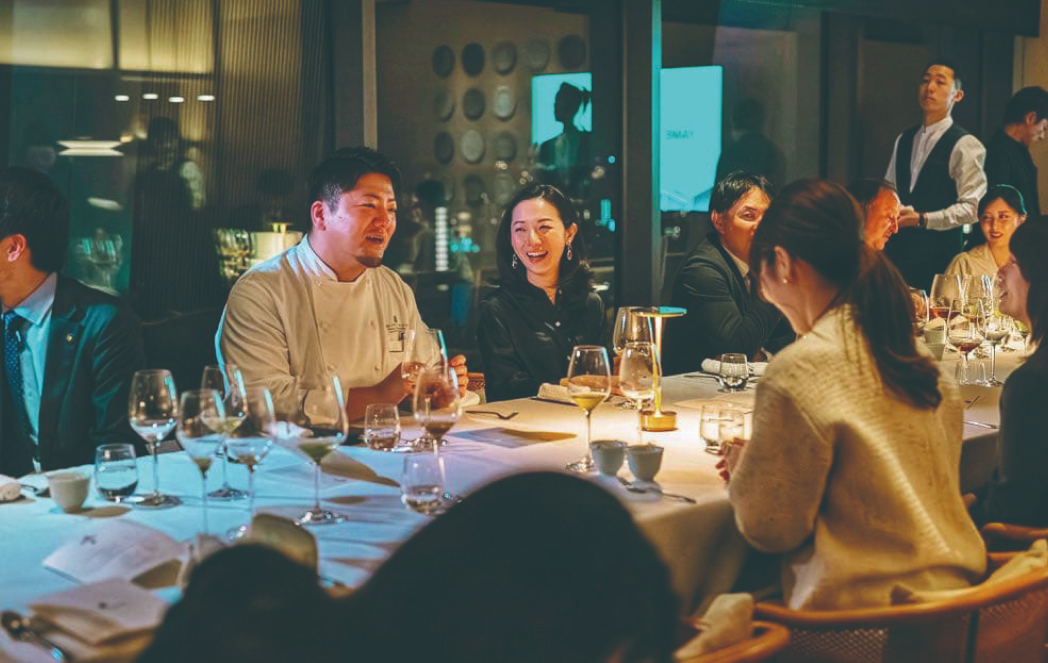
Today, this handcrafted tea, too, nurtured by 600 years of history and culture, is beginning to resonate with global culinary culture. You can experience it at leading luxury establishments around the world, such as the Four Seasons Hotel in Dubai. And "tea pairing," which involves pairing Japanese teas such as gyokuro and matcha with French or Italian cuisine, is becoming increasingly popular. It is an intoxicating experience, though sans alcohol, thanks to the effect of tea's aroma and umami.
But the truest luxury is the pairing of this tea with Kyushu's bounty, and the deep "food terroir" of this region, the product of its climate, its air, and its craftsmanship. This is something that can only be experienced in person, right here, in Kyushu.