
Stay at a Samurai Residence!
Izumi lay at the Satsuma/Higo (now Kumamoto) border, so it was an important base for Satsuma's defense until the peace of the 1600s. The width of the roads and the stone walls remain almost exactly as they were 400 years ago. A castle called Kamega-jo stood on a mountain to the south. It was built by a medieval commander named Izumi Kaneyasu and later taken over by the Satsuma Shimazu, a branch of the Shimazu clan. Toyotomi Hideyoshi, Japan's great overlord of the late 16th century, is said to have called it "magnificent."
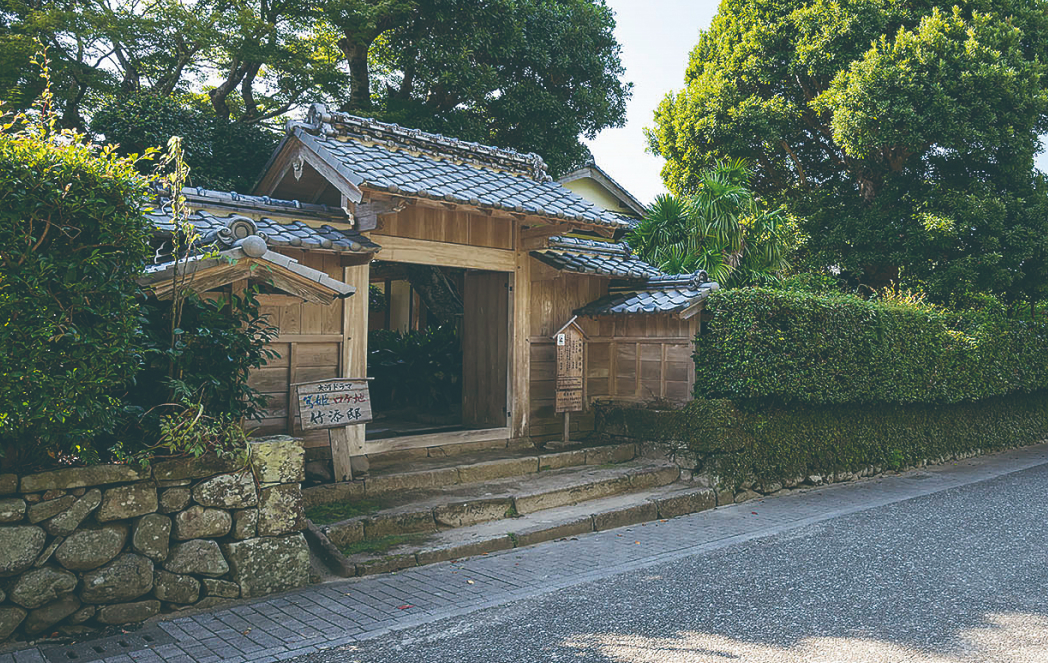
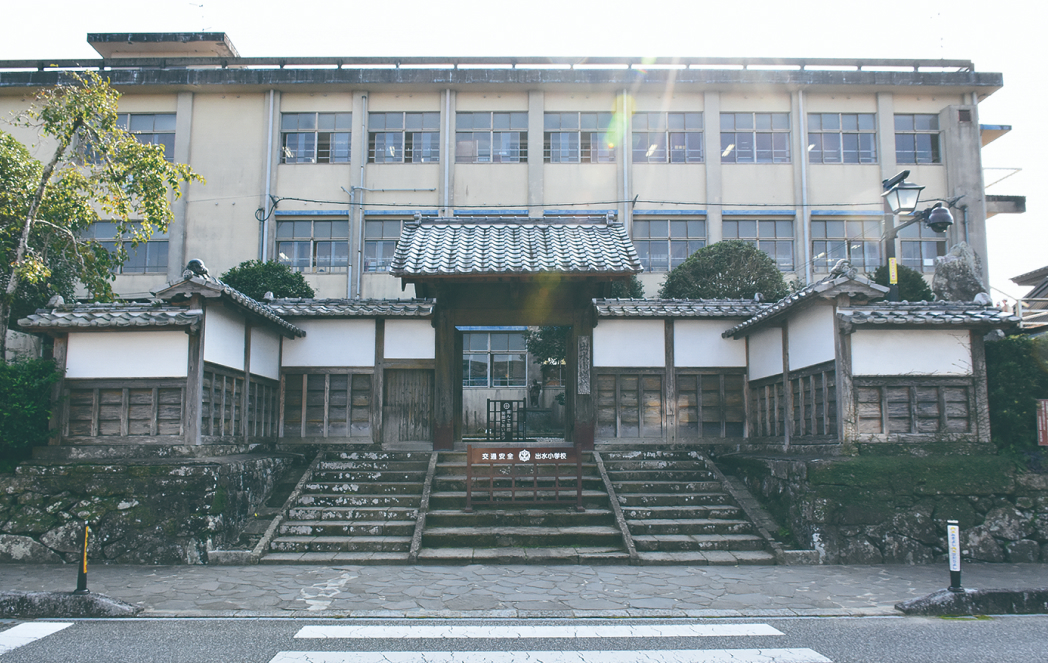
Thereafter, Izumi was ruled by the main Shimazu family. Shimazu Yoshihiro, who fought in the Korean invasions of the 1590s and the Battle of Sekigahara in 1600, built an okariya here as his residence and headquarters for local administration. He brought its gate from another residence, and today that gate is the entry to an elementary school. It fronts Kariyababa street, in a district called Takayashiki, which was the home of samurai of high status and wealth. Most of the district's samurai residences remain in use as private homes today.
The Saisho and Takezoe Residences are open to visitors. They offer a glimpse of life in the Edo period (1603–1867). Although Japan enjoyed peace for almost this entire time, Izumi's samurai nevertheless had to always be ready for battle. At Saishotei, they could even practice archery indoors on rainy days, to stay prepared for emergencies or enemy invasions. One theory is that the residences had especially high ceilings so the samurai could swing their swords down to intercept enemies.
The highest-ranking samurai who lived in these residences were mostly goushi: half-samurai-half-farmer. "They cultivated rice and vegetables, and when needed for war, took up their swords. They adopted the practical training, discipline, and ethics of the 'gojuu education' established in Satsuma's capital city at Kagoshima. Respect your parents and superiors, be polite, and help the weak… These ethics are still taught in local elementary schools today, passing down the spirit of the samurai of Izumi."

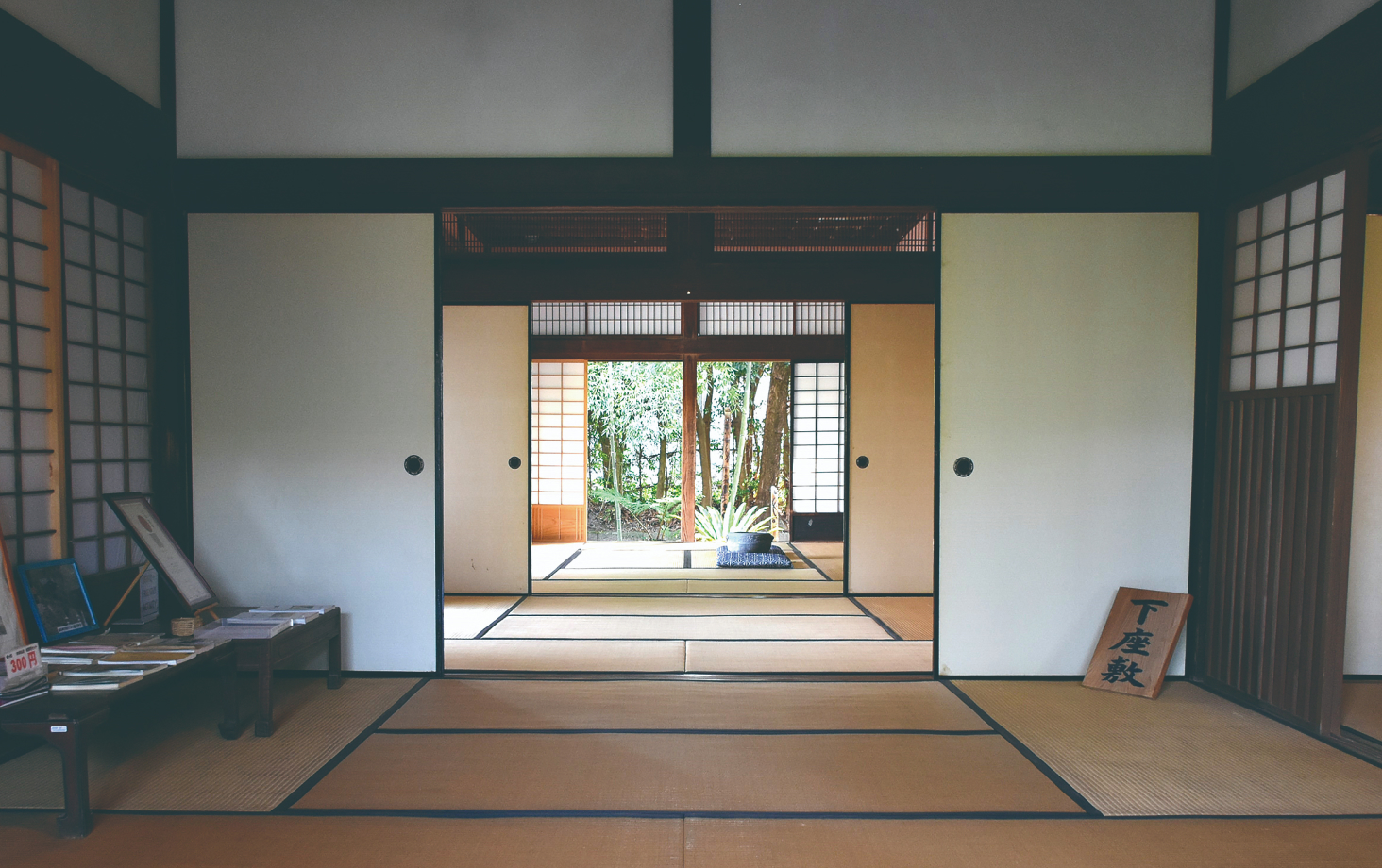
Izumi Fumoto History Museum
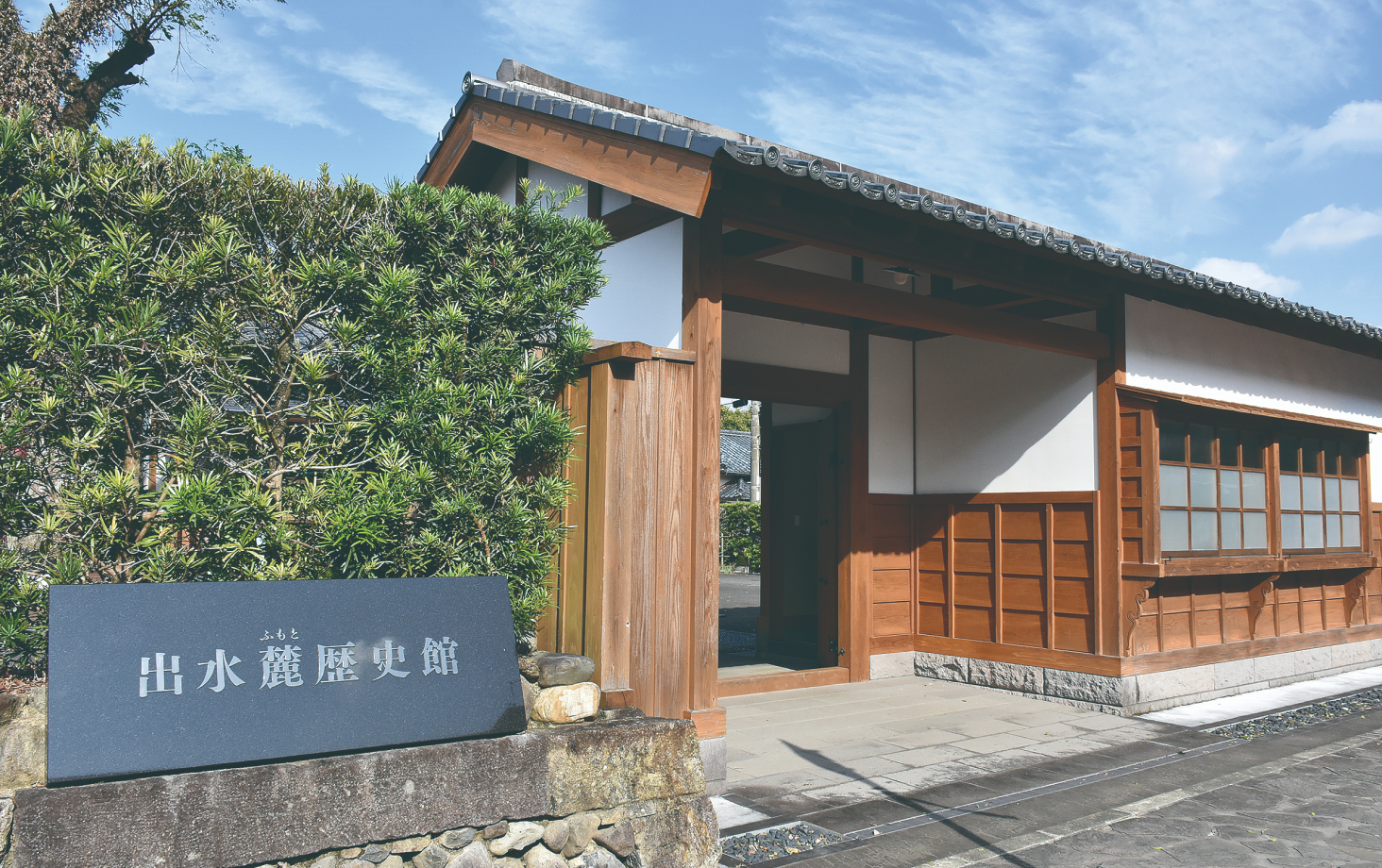
Izumi Fumoto History Museum
| Address | 10-39 Fumoto-cho, Izumi City, Kagoshima |
|---|---|
| Map | MAP |
| TEL | 0996-68-1390 |
| Hours | 9:00–17:00 |
| Admission |
¥300 for students in grades 1–9; ¥510 for high-school students and adults |
| Closed | Third Wednesday every month (the following day if Wednesday is a national holiday) |
Lodging at Historical Samurai Residences
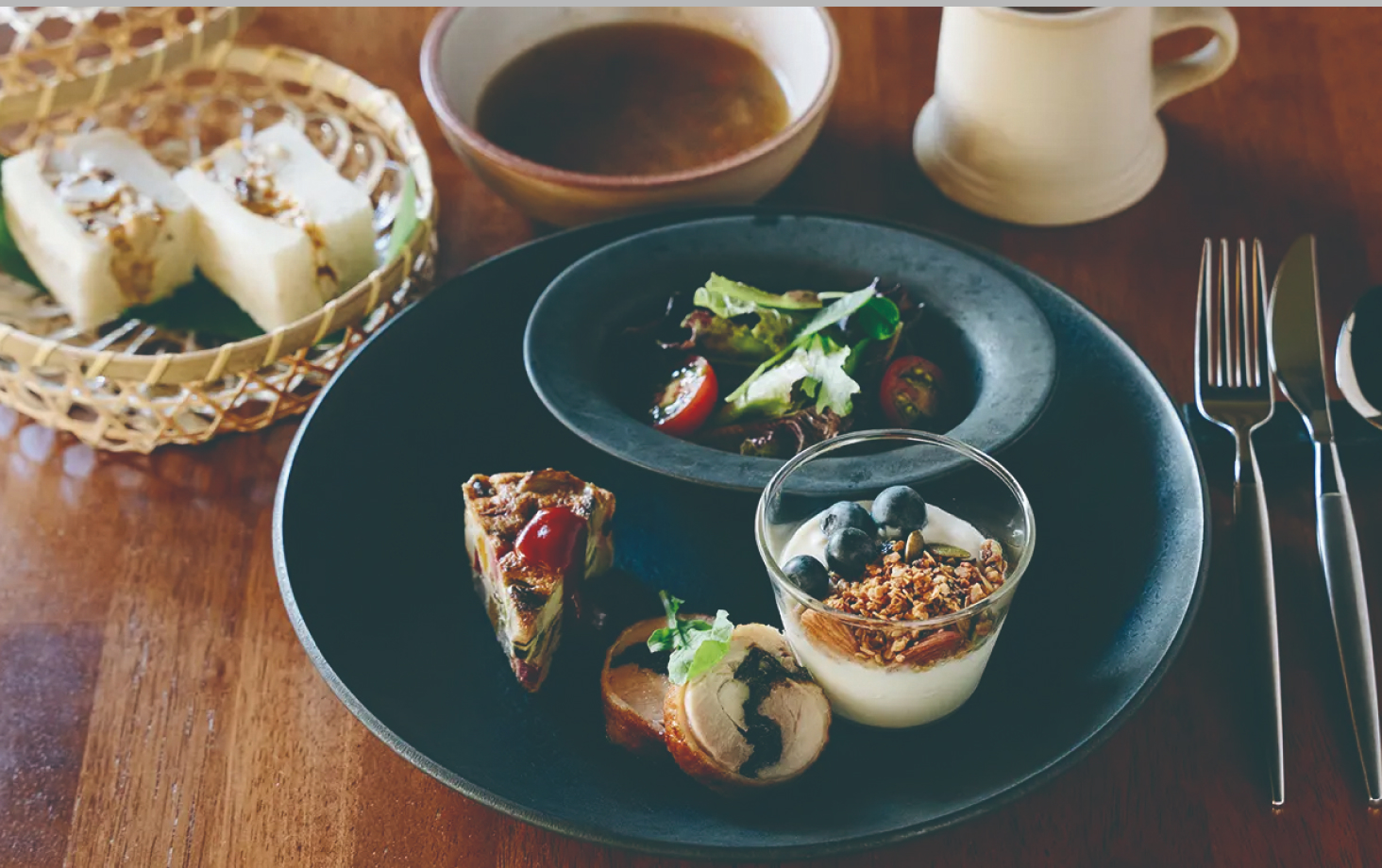
The three renovated samurai residences of this "Samurai Residence Hotel" retain their original charm and character while offering comfortable, relaxed accommodations for today's guests. Displays of traditional craft items evoke long-ago samurai life. The popular breakfast features local ingredients, including vegetables grown on the residence grounds. Guests can also enjoy hands-on programs, including kimono rental.
RITA Izumi Fumoto
| Address | 18-35 Fumoto-cho, Izumi City, Kagoshima |
|---|---|
| Map | MAP |
| TEL | 0996-68-8003 |
| Price | From ¥16,700 / 2-person room, breakfast included |
Special experiential program - Put on kimono and armor for a walk through the old town
Izumi Fumoto Experiences - Kimono, Yukata, Armor, Ox-Cart Rides Transport yourself back to the 17th century, strolling the streets of Izumi Fumoto dressed in real silk kimono or in yukata or armor, or touring the area by oxcart!
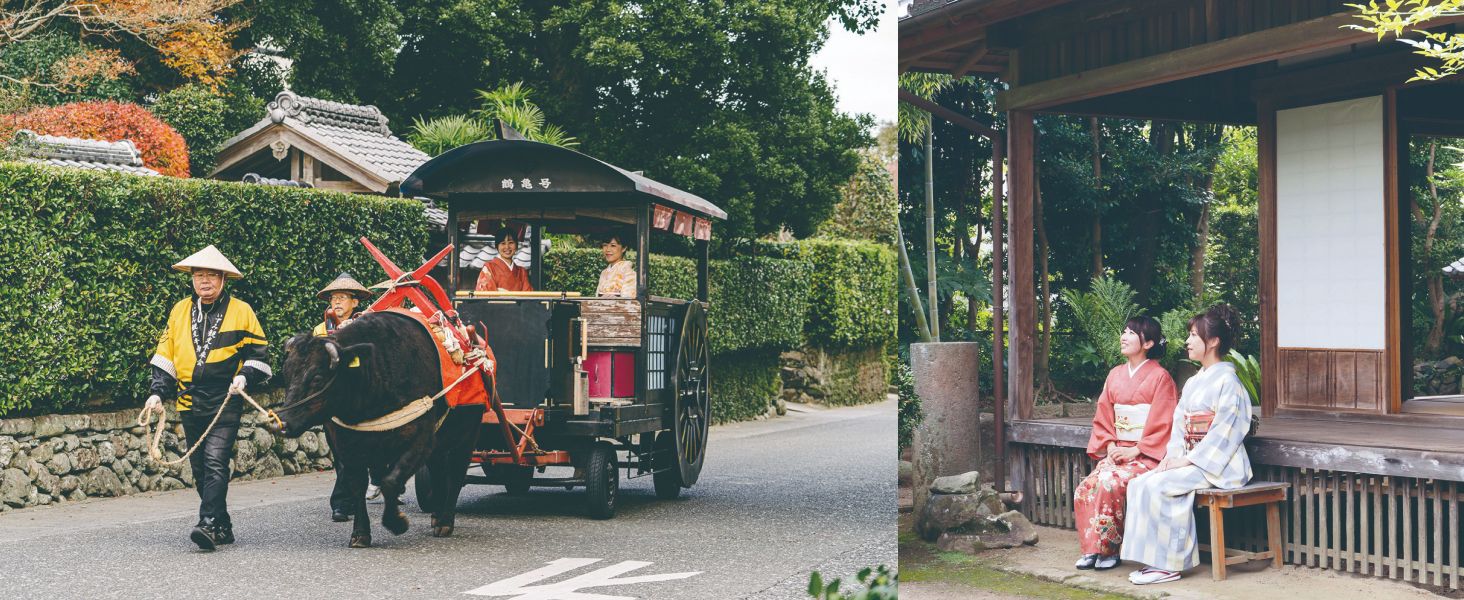
Armor Experience
| Period | Year-round(Reservations required, maximum 4 people) |
|---|---|
| Time | 9:00-15:00 |
| Admission | Adults ¥3,000, Children ¥2,000 (under 120 cm tall) |
| Inquiries | 0966-63-6142(Bukeyashiki Saishotei) |
Kimono/Yukata Experience
| Kimono | October-April / Yukata: May-September |
|---|---|
| Time | 9:30-16:30 (Reservations required / Tea ceremony included for groups of 5 or more) |
| Price | Rental Plan (Men and women) ¥6,500 per person Keep-the-kimono Plan (Women’s only) ¥10,000 per person |
| Inquiries | 0996-79-3030 (Izumi City Tourism and Local Products Association) |
Oxcart tour
| Open | Weekends and holidays (closed on rainy days; Reservations required on weekdays) |
|---|---|
| Time | 11:00-15:00 |
| Price | Adults ¥2,000, Students ¥1,000 (jr. high-high school), Children ¥700 (age 3-12), free for children under 3 (*On weekdays, ¥8,000 for groups of four or fewer, regardless of the number of people.) |
| Inquiries | 0996-79-3030 (Izumi City Tourism and Local Products Association) |
Cranes winter in Izumi
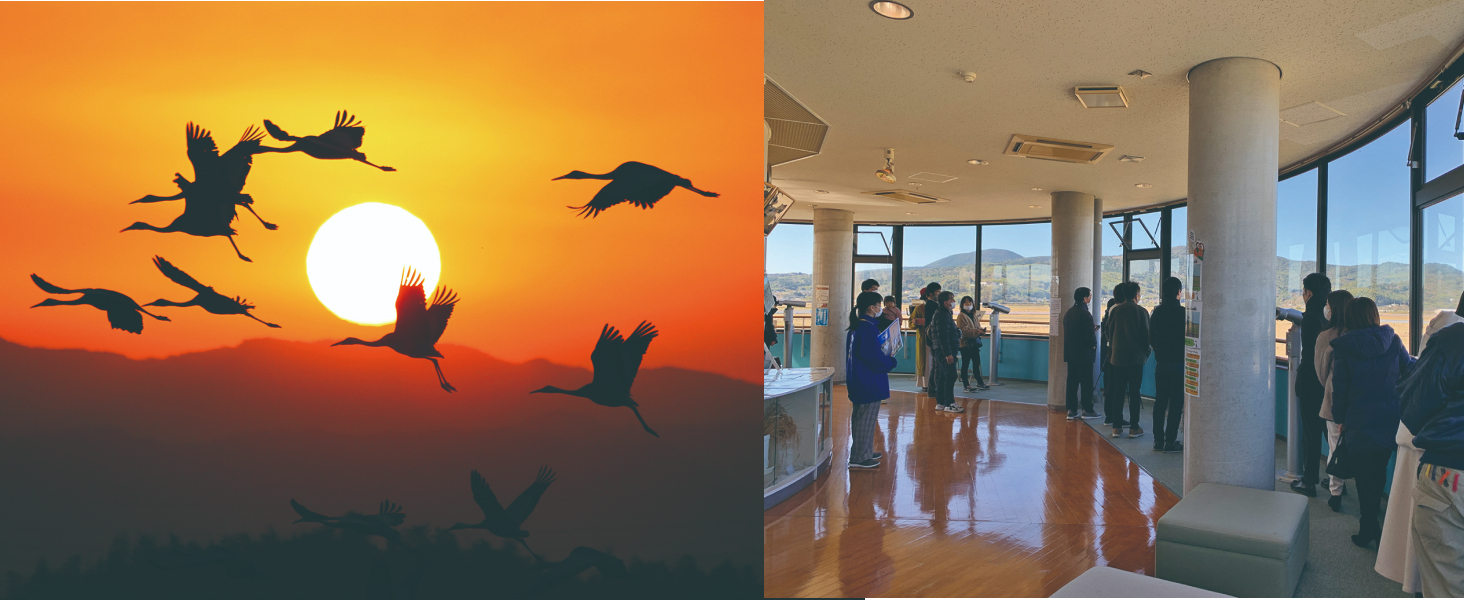
Each October, whitenaped, hooded, and other crane species return to Izumi for the winter. The birds have numbered over 10,000 annually for the last 25 years, making Izumi Japan’s largest crane migration site and a globally important Ramsar Convention-registered wetland. Watch them fly in and feed at the vast Izumi Crane Observation Center grounds, a 15-minute drive from downtown Izumi. The center opens at 7:00 a.m. on New Year’s Day: the cranes and the first sunrise of the year are a winning combination
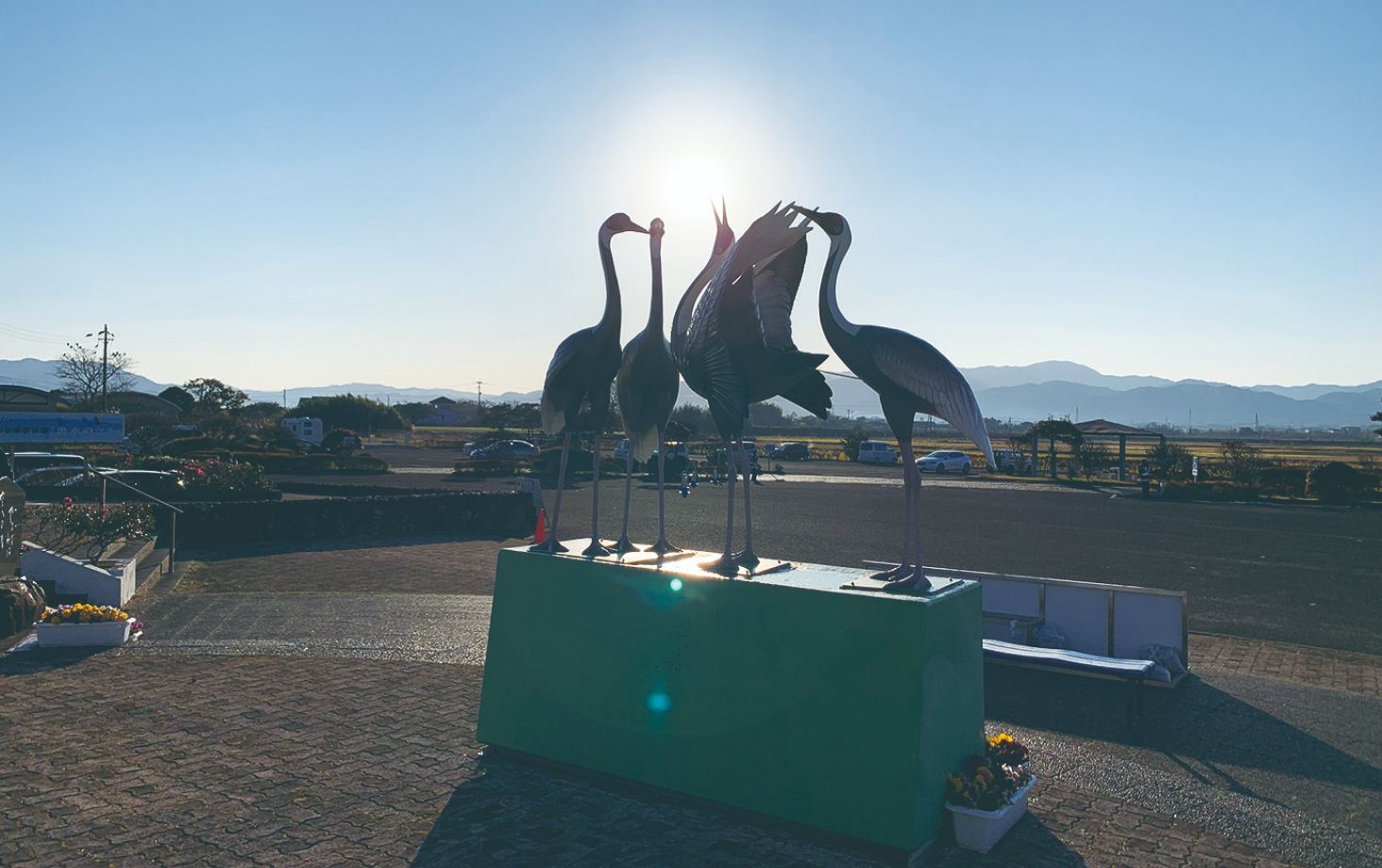
Izumi City Crane Observation Center
| Address | 2478-4, Sho, Izumi City, Kagoshima |
|---|---|
| Map | MAP |
| TEL | 0996-85-5151 |
| Hours | 9:00-17:00 (Note: A ¥1,000 wintering grounds conservation contribution allows access to the rooftop observation deck, Nov. 1 – Mar. 12, 6:30-9:00 |
| Admission | Adults ¥220, Students ¥110 (grades 1-9) |
| Closed | Open daily from November 1 to March 9 |