Traces of island samurai lifestyles
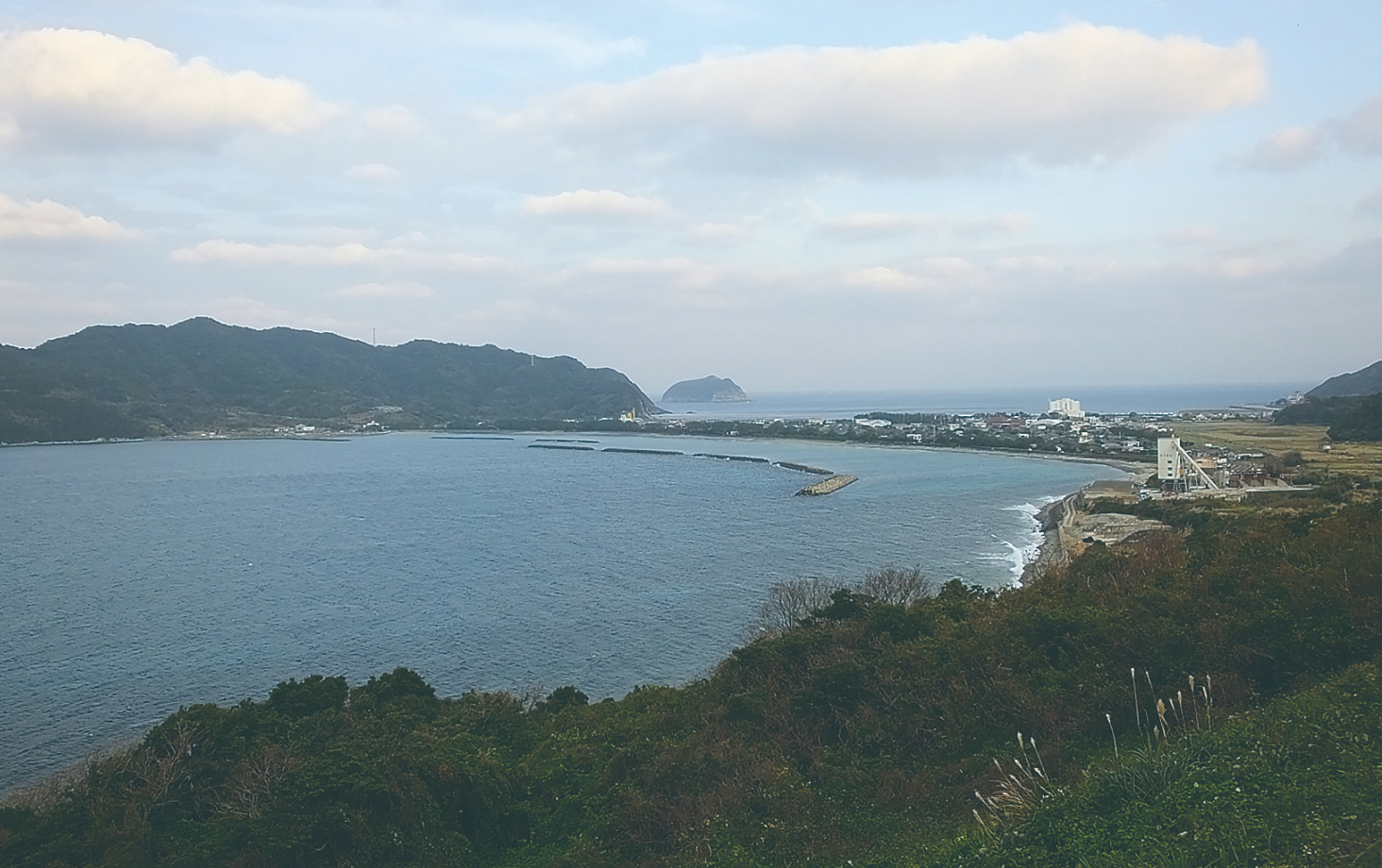
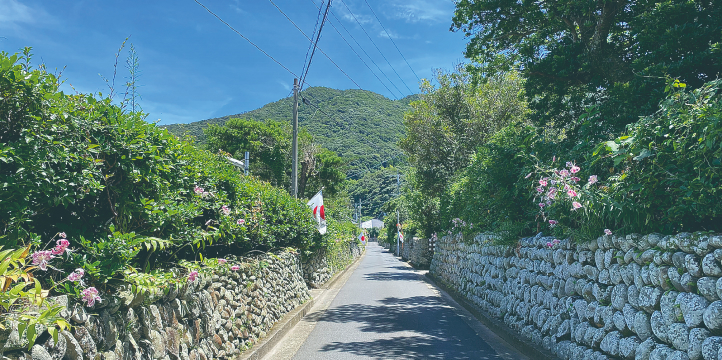
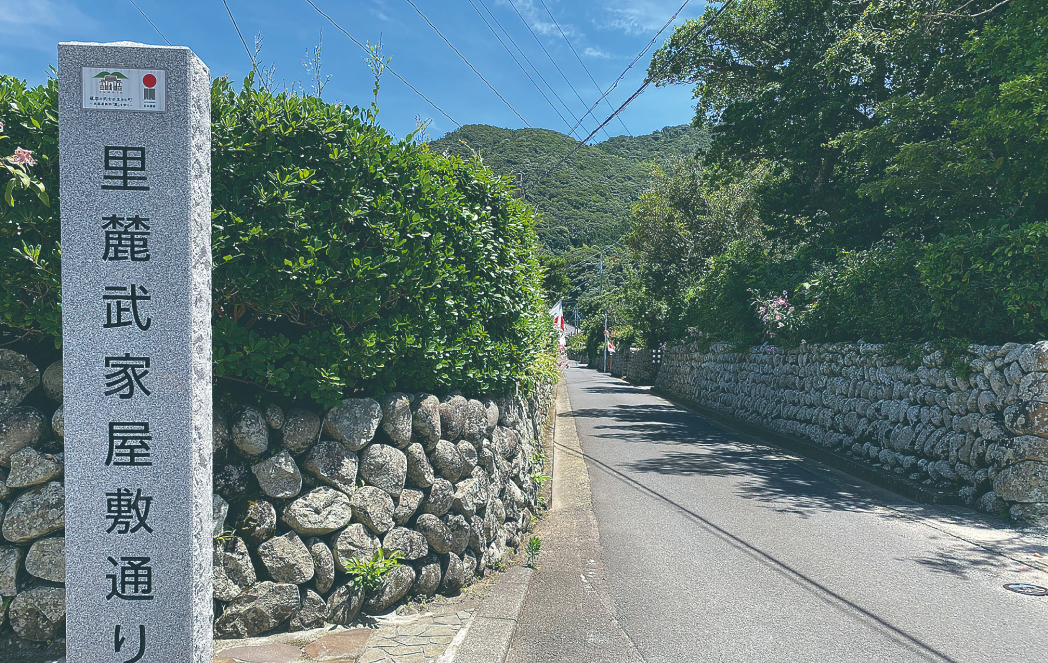
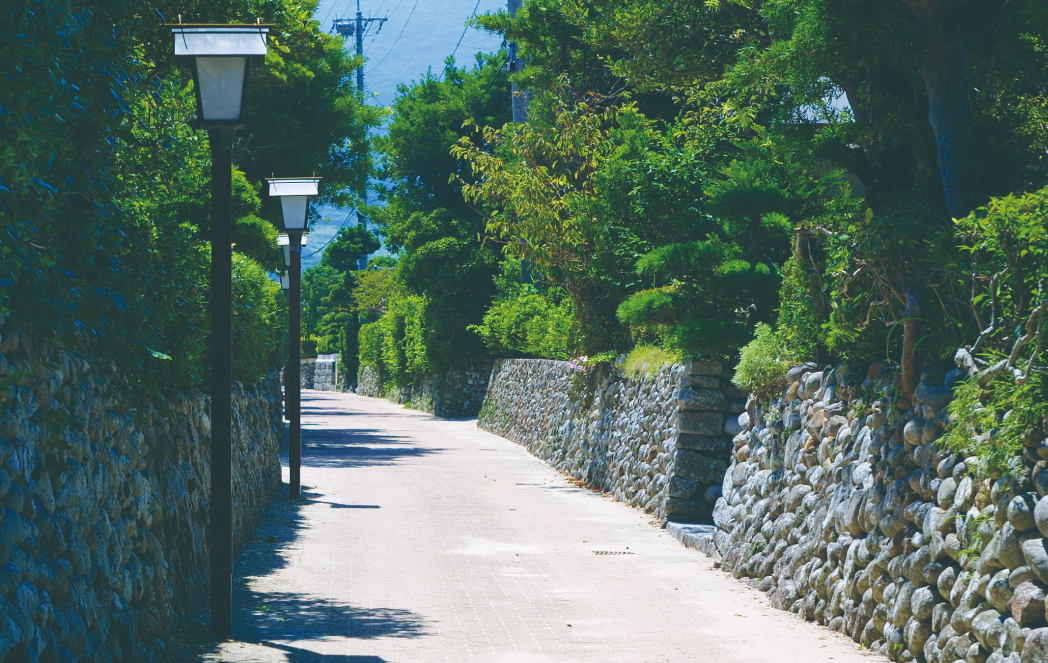
The Koshiki Islands lie to the west of Satsuma-sendai. Teuchi Fumoto, on Shimokoshiki Island, curves along the coastline. Its distinctive layout ensured that each section overlooked the sea. These islands were a key hub for maritime traffic. They had Satsuma's guard house (Tsuguchi Bansho) for monitoring ships that traveled across the sea. No samurai residences remain here today, but traces are visible in the stone walls and fences made of piled boulders.
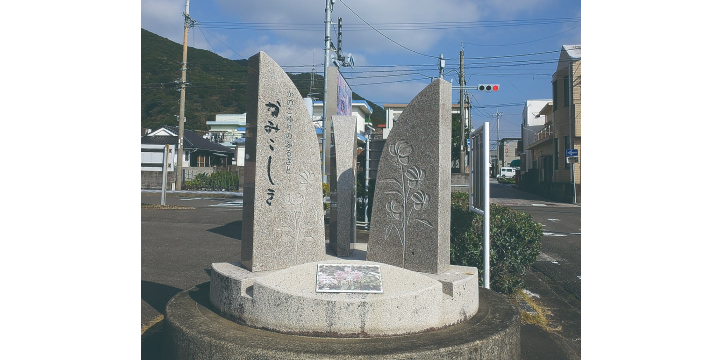
Kamikoshiki Island once had a settlement called Sato Fumoto, near Sato part, where ships arrived from Satsuma-sendai and Ichiki-kushikino. It was so important a base that it had a medieval castle called Kamejo and was ruled over by vassals of the highest rank, including the Ogawa clan, retainers of the Kamakura shogun in the 13th century, and Honda Chikamasa, who was made chief retainer of the Satsuma domain lord in the 1600s in recognition of his military service in the Ryukyu Islands. The settlement also features a unique sandbar, where stones and sand carried by coastal currents emerge above the water's surface. There's an observation deck on Jouyama, the site of Kamejo Castle, with panoramic views along the base of the island.
Samurai Dances on Remote Southern Islands
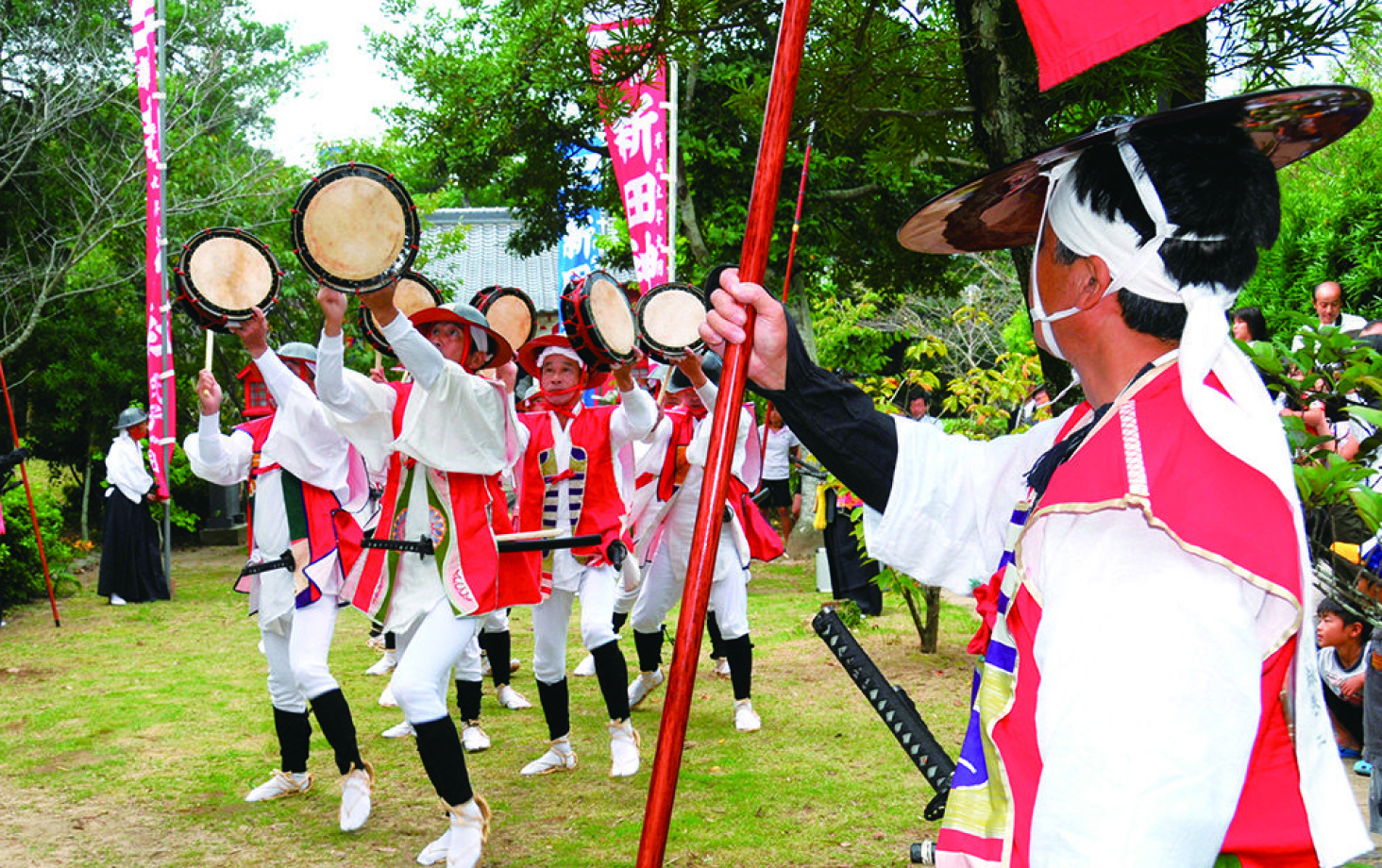
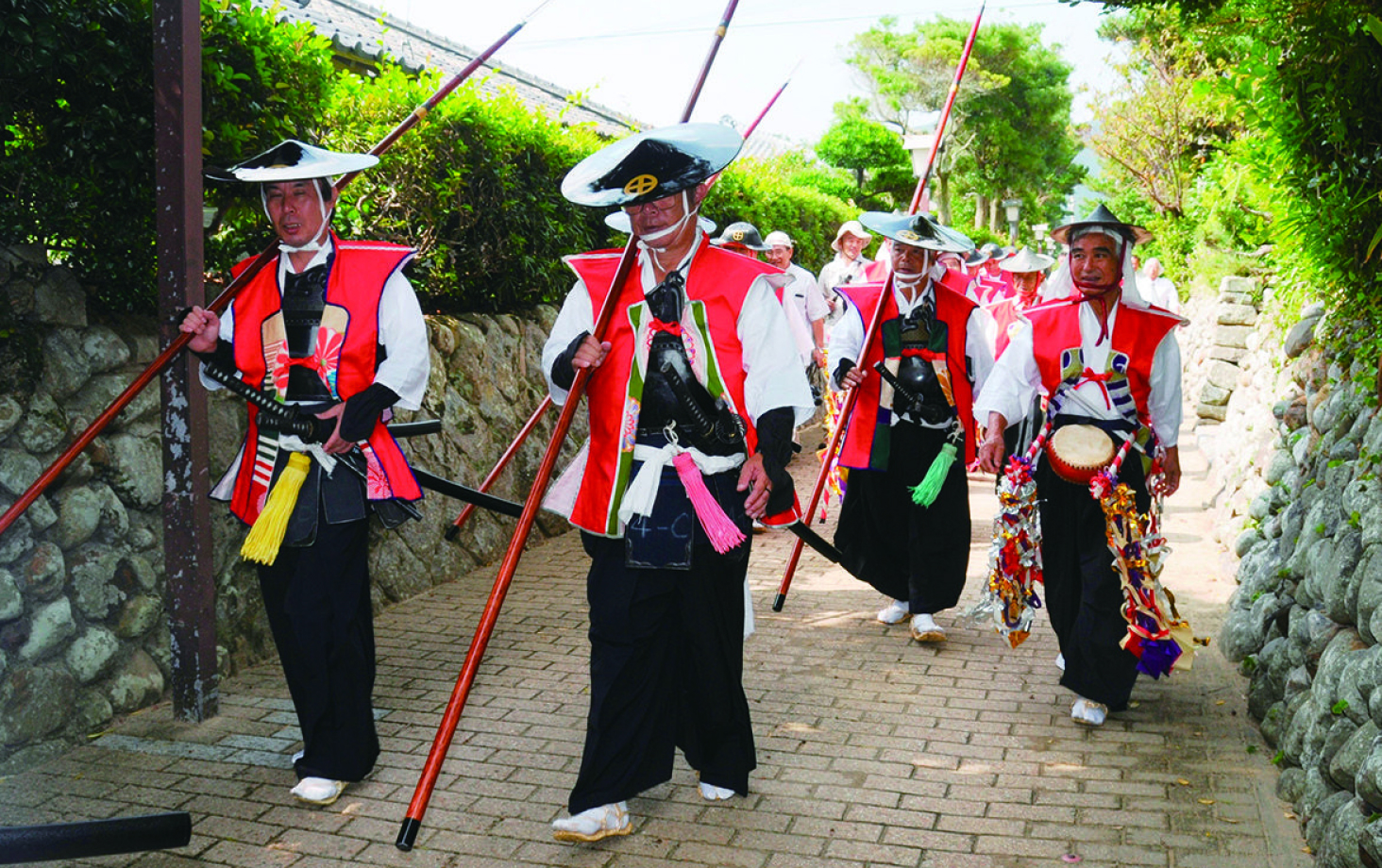
Each of the Koshiki Islands' two fumoto has its own traditional dance with samurai antecedents. Sato's Sato-no-musha Odori features armored performers who parade to the arena while beating gongs and drums, evoking the march to war. Teuchi's Bushi Odori is said to be a dance of triumph. Some date the dances all the way back to the 13th century, but it was under Shimazu Yoshihiro's rule in the 17th century they became popular, likely as boosts to samurai morale and loyalty. They are still performed at important ceremonies on the Koshiki Islands today.
Experience today's fumoto
Sato Fumoto is dotted with cafes and specialty shops such as Shiota Shuzo, brewer of a sweet potato shouchuu called Rokudaime Yuri. We recommend strolling around the neighborhood to enjoy the fumoto ambience. One of the most popular spots is Yamashita Shouten, a tofu shop that also sells a variety of local Koshiki specialties, including seafood and soy butter. It's also a community spot where people enjoy freshly made tofu, deep-fried tofu, coffee, beer, and more. It's the perfect place to take a break and buy local souvenirs.
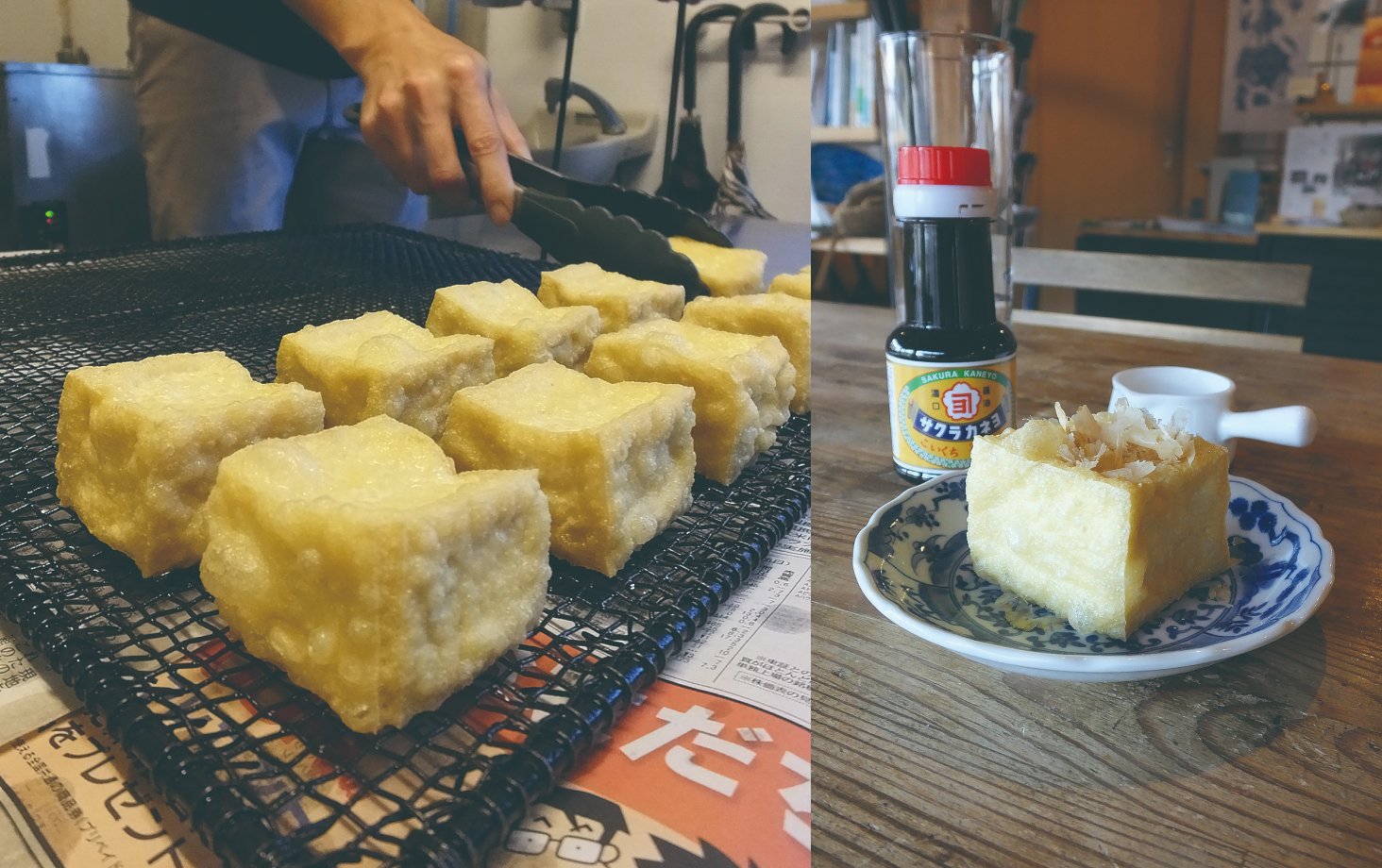
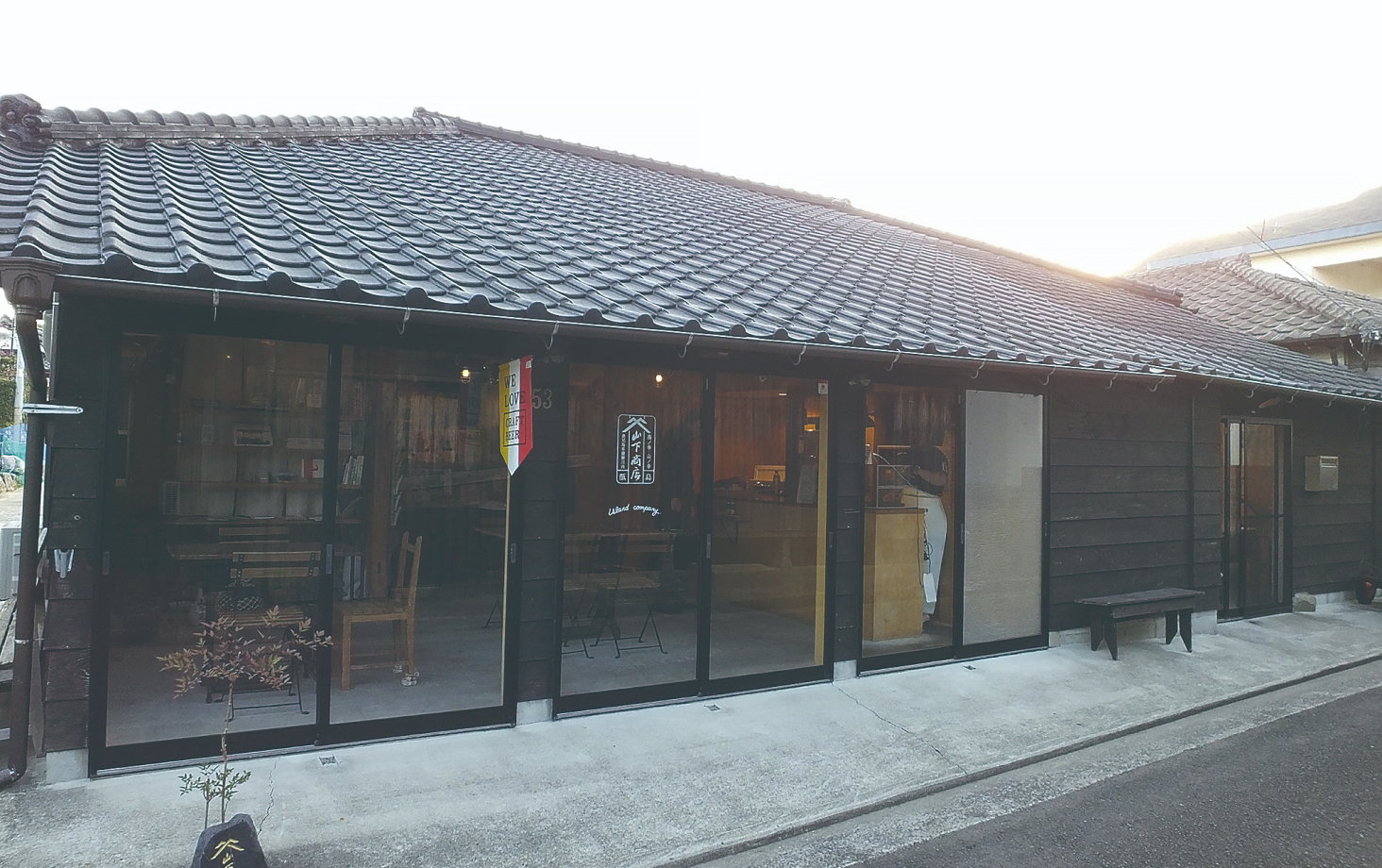
Yamashita Shouten Koshikijima Honten
| Address | 54 Sato Sato-cho, Satsuma-sendai City, Kagoshima |
|---|---|
| Map | MAP |
| TEL | 09969-3-2212 |
| Hours | 9:00–12:00 / 14:00–17:00 |
| Closed | Wednesdays |