
Learn about the history of the samurai

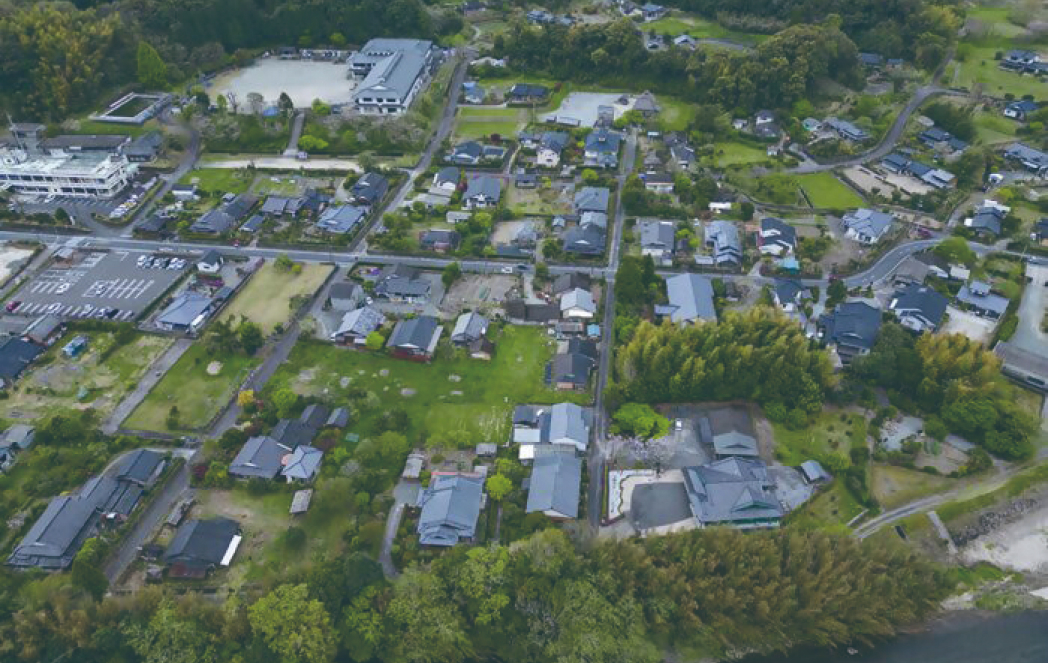
During the Kamakura period, a samurai named Iriki-in built Kiyoshiki Castle on a small hill. He came here after acquiring Satsuma territory in battles in 1247. His vassals settled on the flat land east of the mountain, which was the origin of Iriki Fumoto. The Hiwaki River that surrounds the settlement served as a moat protecting the district. The impressive 20-meter cut-through leading to the castle's main enclosure was carved out of natural rock.
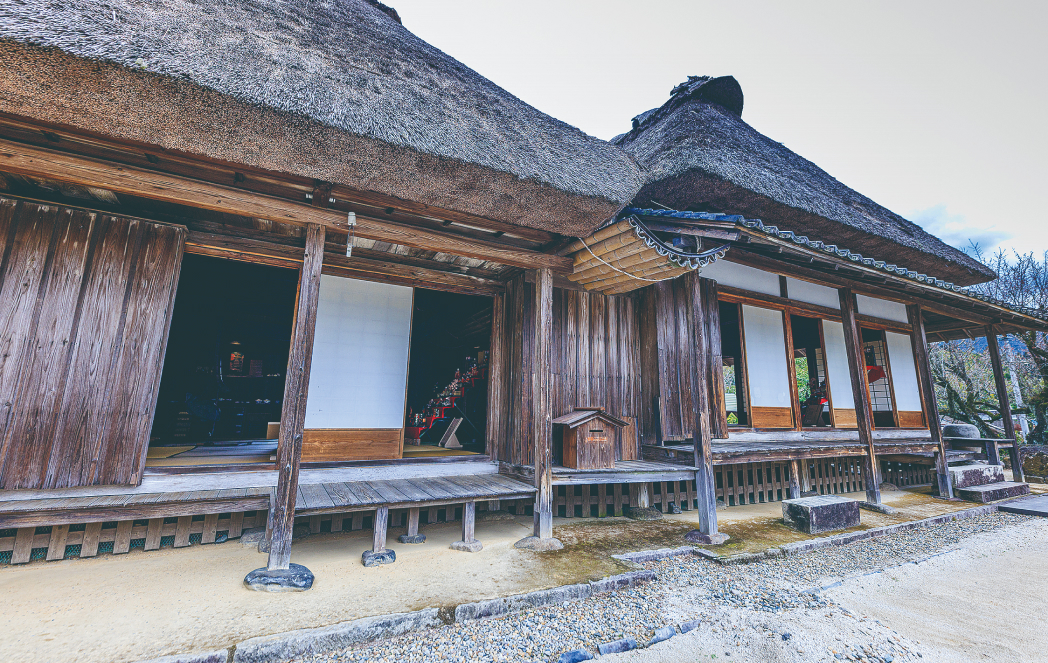
The part of town built near Kiyoshiki Castle in the middle ages is divided into curved sections, likely so as to obscure the view of invaders. Another part of town was developed in the 17th century with straight paths like those in Izumi Fumoto. These were designed to intercept invaders. "The Iriki clan was the Satsuma lord's leading vassal family at that time, but the 'arm-gate' style thatched gate at the Iriki residence evokes the style of the Kamakura period centuries earlier. An inscription on the back notes that it was restored in the mid-19th century, at the end of the Edo period."
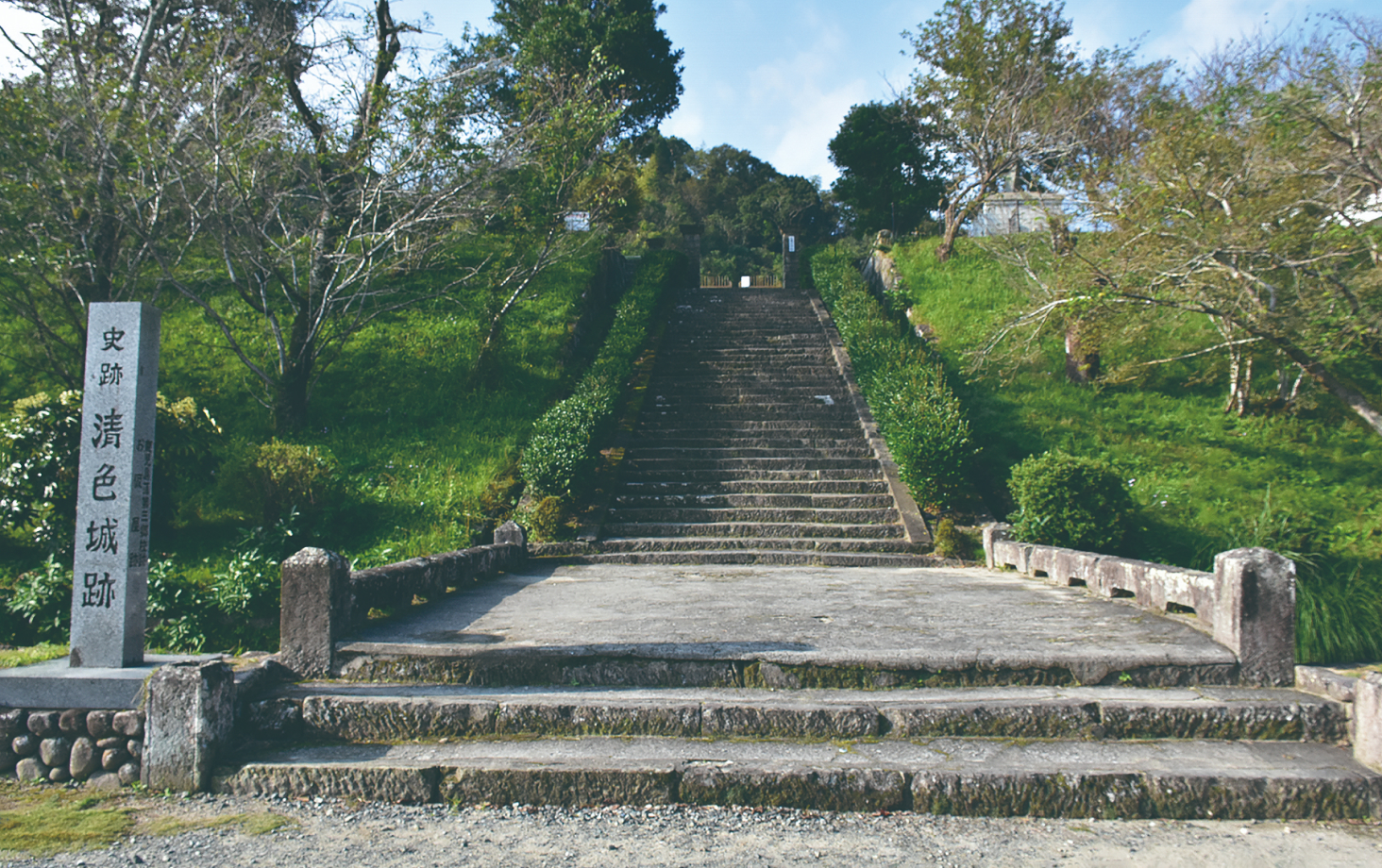
"The Former Masuda family residence is a nationally designated Important Cultural Property. It consists of two buildings in an L-shape, flanking a bamboo drainpipe. The Omote (front) building was where the household head lived and received guests, and Nakae (inner) buildings was occupied by the women and children. The two have separate entrances: the higher threshold at the Omote reflects the strict patriarchy of the times. The style is seen in many Satsuma domain fumoto and conveys how high-ranking Satsuma samurai lived during the Edo period."
In February, you can see a display of 'court' dolls for Girls' Day (Hinamatsuri) here and enjoy a 'sweets exchange' or Kaen'soya traditional girls' festivity.
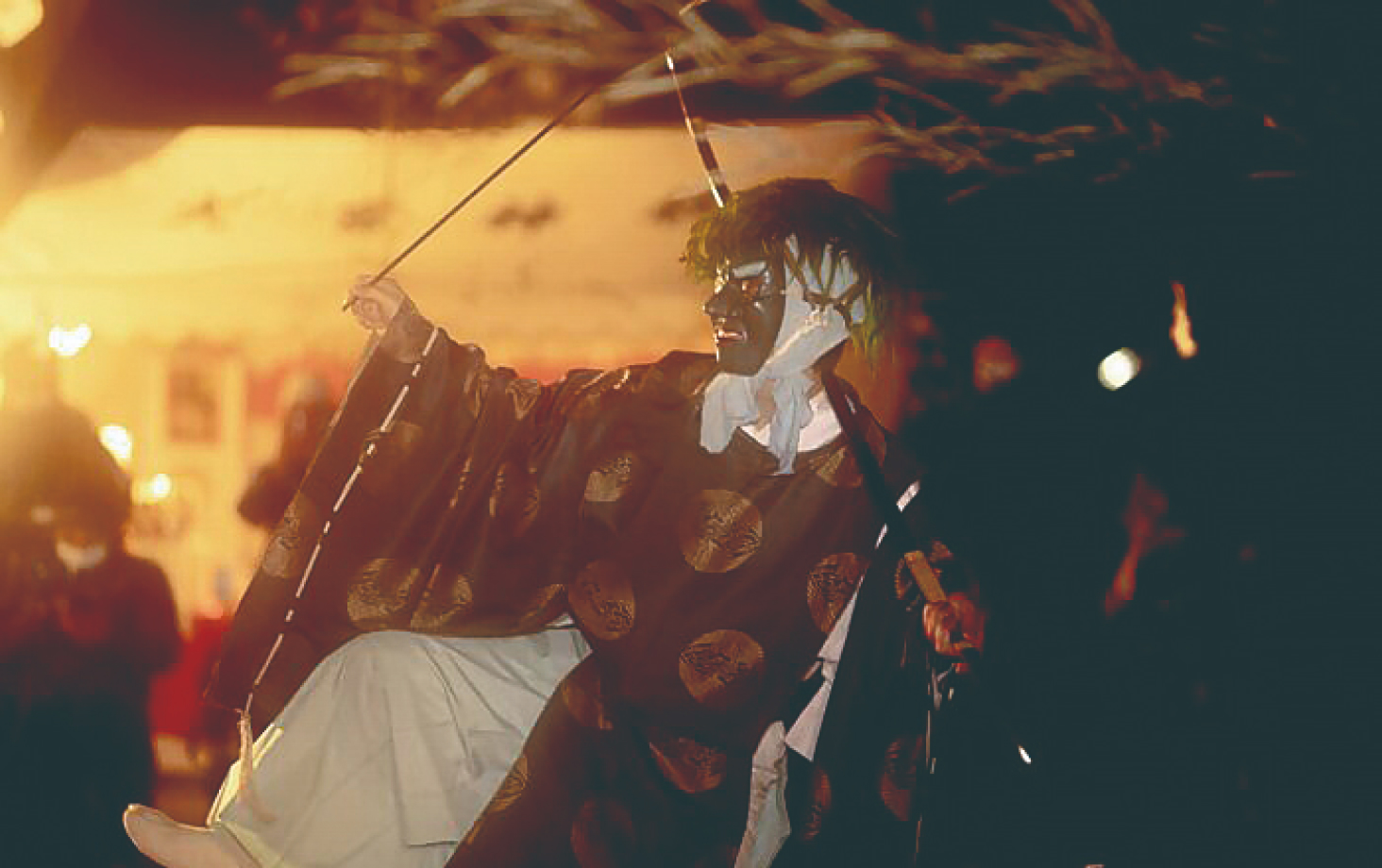
A 10-minute walk from the Former Masuda Residence is Omiya Shrine, where a kanmai (divine dance) is performed on November 23 and New Year's Eve. This elegant, ancient dance is a prayer for a bountiful harvest. Said to date back 800 years to Iriki-in's time, it transports viewers back to the age of the samurai.
Learn more about its history
Iriki Fumoto was a samurai district for over 600 years until the 1870s. Learn more about its history and customs at the Iriki Local History Museum. See Iriki-in family documents, Shimazu-clan artifacts, armor and helmets owned by samurai, and farm tools.
Iriki Local History Museum
| Address | 33 Iriki-cho Ura-no-myou, Satsuma-sendai City, Kagoshima |
|---|---|
| Map | MAP |
| TEL | 0996-44-5311 |
| Hours | 9:00–17:00 |
| Admission | Free |
| Closed | Mondays, third Sundays, holidays, end of year/New Year holidays |
Iriki Tourist Information
| Address | 35-1 Iriki-cho Ura-no-myou, Satsuma-sendai City, Kagoshima |
|---|---|
| Map | MAP |
| TEL | 0996-44-5200 |
| Hours | 9:00–17:00 |
| Admission | Free |
| Closed | December 29 – January 3 |
Take a close-up look at artisanal craftsmanship — Create your own armor
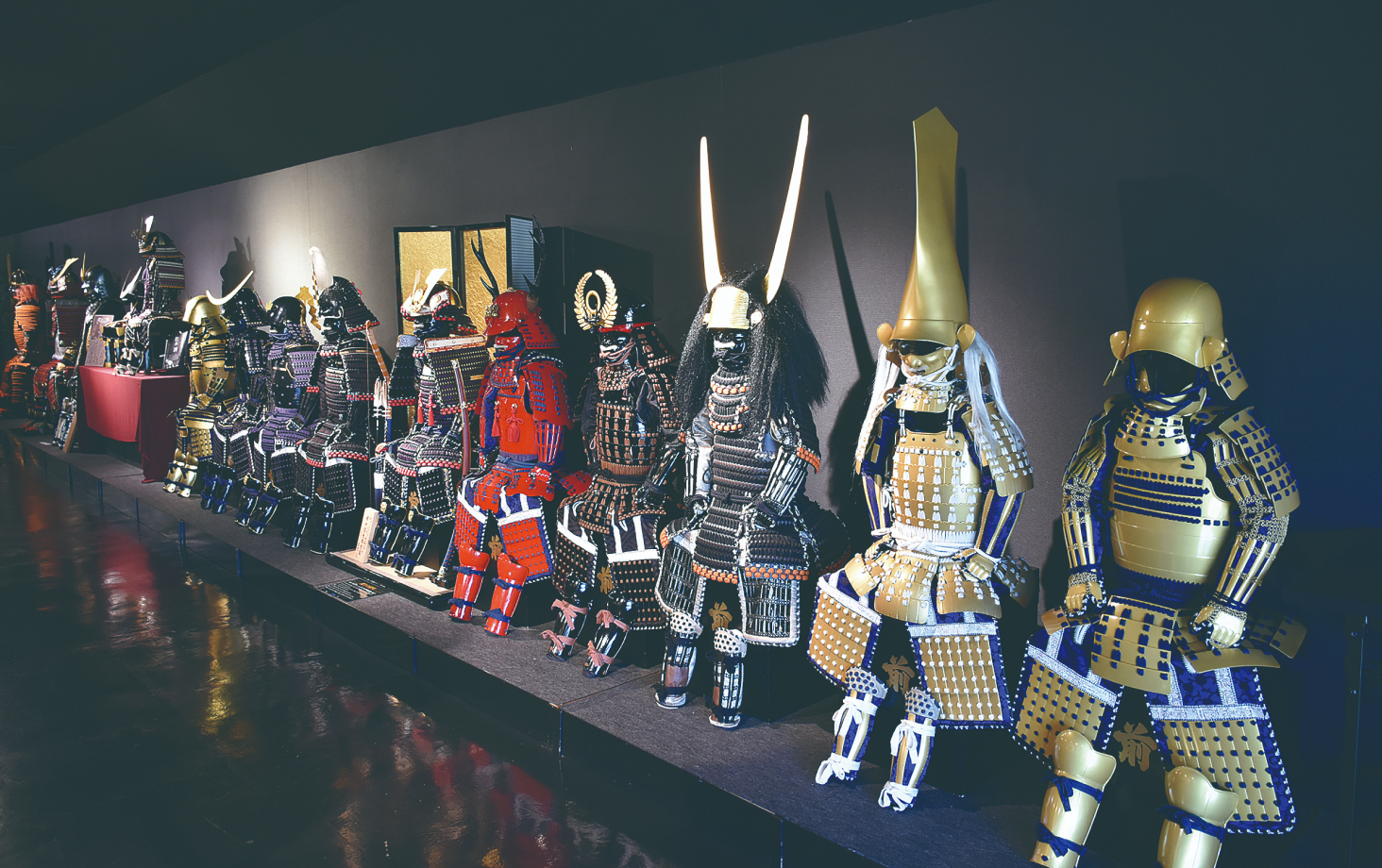
Modern-day samurai fight bravely on TV and video screens. Marutake makes many of their helmets and sets of armor. After your explorations of Iriki Fumoto, stop at Marutake's workshop to observe the entire armor-making process, including braiding, painting, and finishing, along with the manufacture of helmets and weapons. See replicas of armor worn by famous sixteenth-century Warring States warlords and armor used in historical dramas. Try on armor and check out the shooting gallery and restaurant.
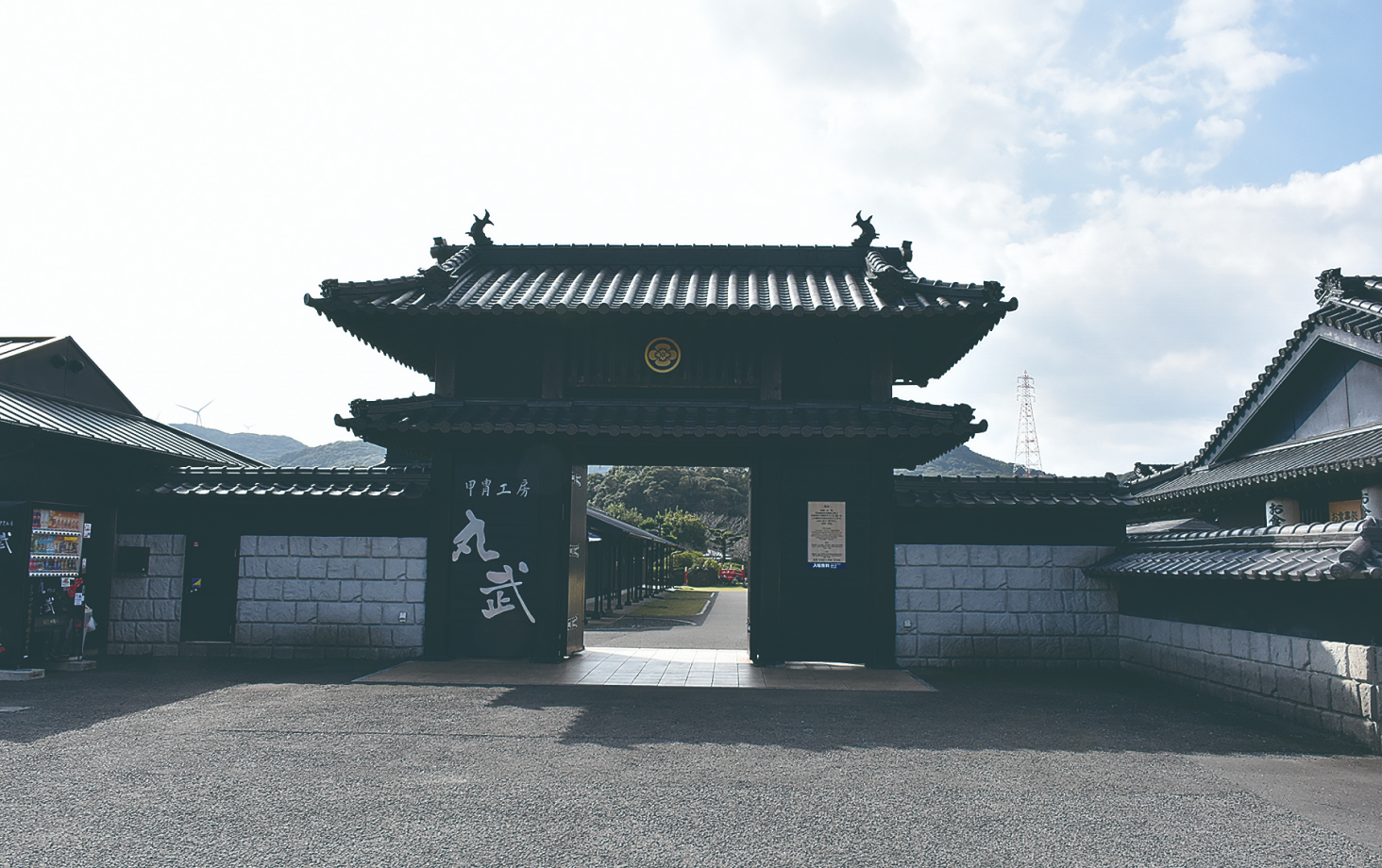
Armor Workshop Marutake (Kacchuu Koubou Marutake)
| Address | 3535-7 Yushima-cho, Satsuma-sendai City, Kagoshima |
|---|---|
| Map | MAP |
| TEL | 0996-26-3113 |
| Hours | 9:00–17:00 |
| Admission | Free |
| Closed | Open daily |