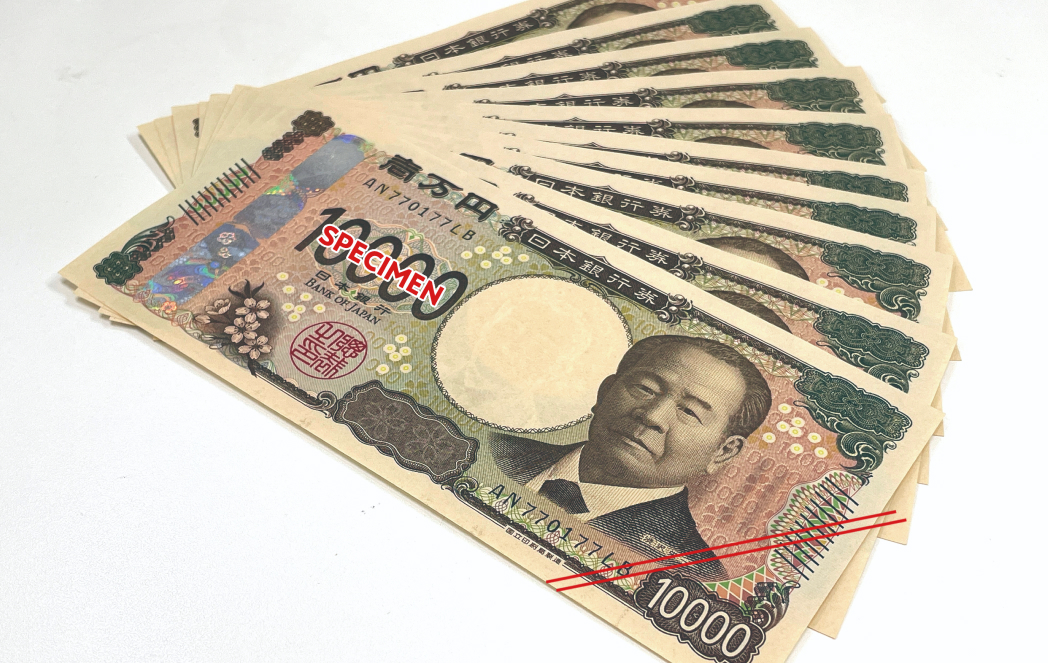
Growing up: Studies, swordsmanship, and working in the family business
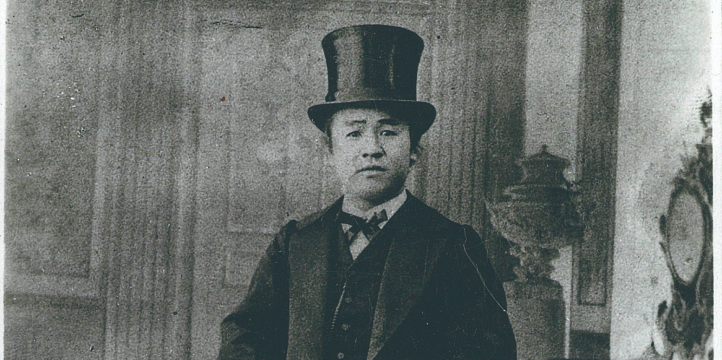
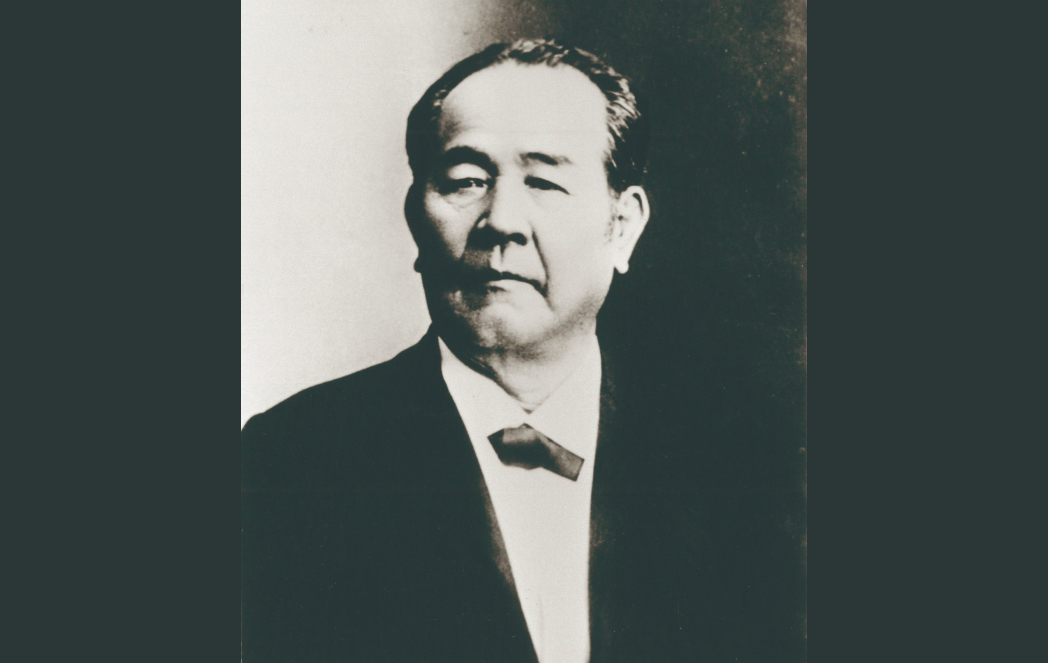
Shibusawa Eiichi was born in 1840 to a wealthy farming family in today's Saitama Prefecture. From an early age, he read widely, including The Analects of Confucius, and he practiced swordsmanship. He also worked in the family business buying indigo leaves from farmers to use in dyes for clothing. He began helping out in the family business when he was 14. He visited the farms on his own and determined for himself whether they used enough fertilizer or dried the leaves enough. His abilities were already apparent.
When he was 16, the Shibusawa household was ordered by a domain administrator to present 500 ryo in cash, a huge sum, comparable to tens of millions of yen today. Shibusawa went to the domain office where he told the administrator, "I can't say 'yes' right away because I'm here on behalf of my father." The official insulted him: "For the kid of a farmer, you're pretty saucy."
Heading home, Shibusawa became infuriated about this overbearing government official. In later years, he reminisced about this period: "I was angry that those in power, having made no efforts of their own, could impose such burdens on farmers and merchants."
A young domain official's success in economic policy
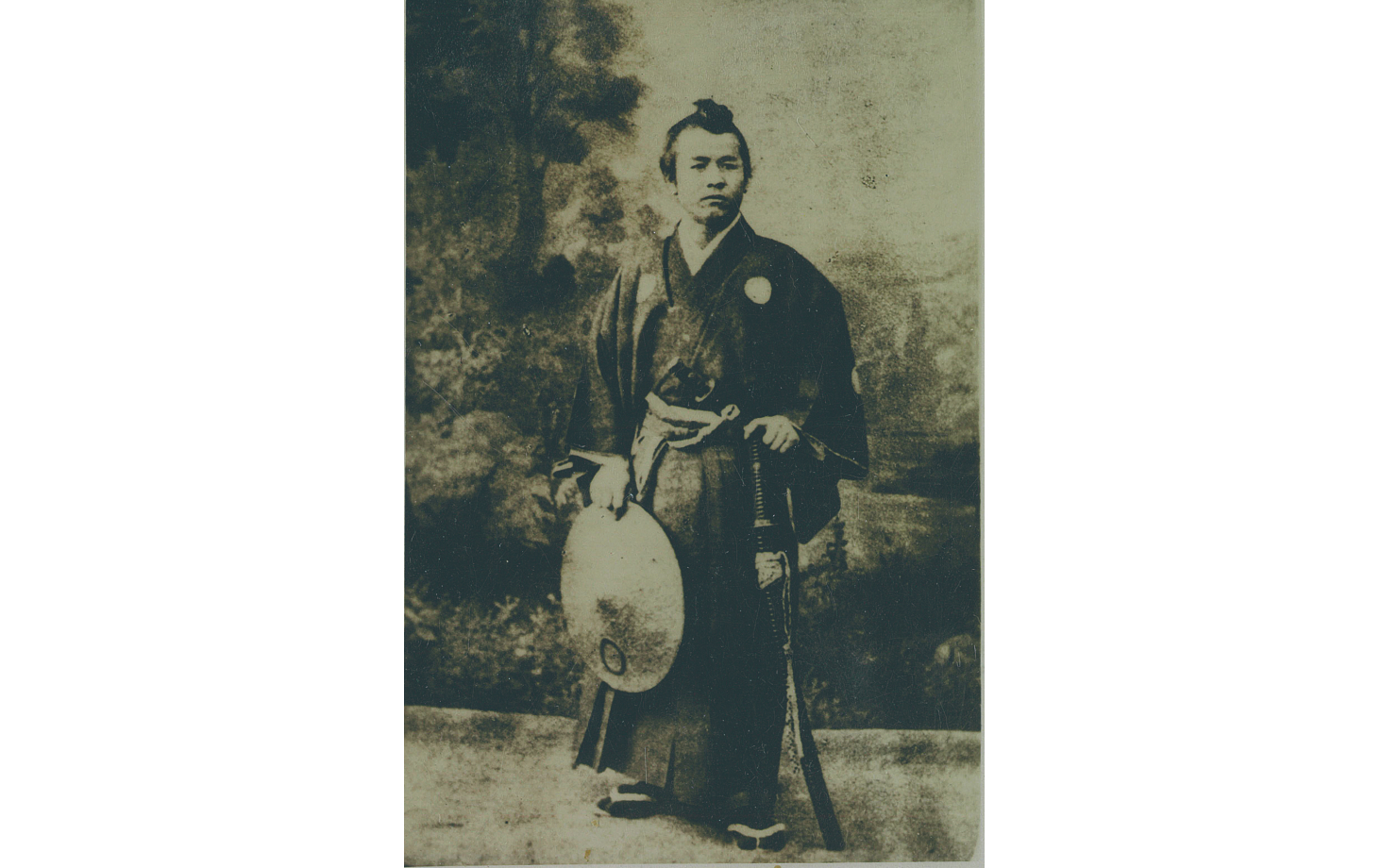
Conscious of an array of problems in Tokugawa society, Shibusawa concluded that the shogunate must be overthrown. At age 23, he made plans to occupy Takasaki Castle and attack the foreign settlement at Yokohama, but after consulting friends, he gave up on the idea. Through his connections, he became a retainer to the daimyo Hitotsubashi Yoshinobu (later the 15th shogun, Tokugawa Yoshinobu) and implemented successful industrial and economic policies within the domain, winning recognition for his abilities.
Amazed on his visit to Europe
In 1867, Hitotsubashi Yoshinobu’s younger brother, Akitake, was sent to the World Exposition in Paris, and Shibusawa, age 27 at the time, accompanied him there. Shibusawa was shocked to see the infrastructure of factories, railroads, shipping, gas lighting, and waterworks ― the civilization that the industrial revolution in Europe had created. He was particularly struck when the King of Belgium tried to sell iron to Akitake, amazed to see that “European monarchs themselves get involved in business.” In France, he saw bankers and military men talking to each other as equals and felt how different conditions were in Japan. He had never forgotten how insulted he’d felt by the domain official in the instance of the 500 ryo and even well after the end of Tokugawa rule, always wanted to destroy the deeply rooted habit of exalting officials over ordinary citizens. While in Europe, he also learned about the system of equity and bond markets and wanted to introduce them to Japan. It was while he was in Europe that shogunal rule came to an end in Japan and the Meiji reformations began.
Engaging in an array of endeavors
Shibusawa returned to Japan and to Hitotsubashi Yoshinobu in Shizuoka, where he tried to establish organizations that would combine both trading and banking functions (what today are called “jointstock corporations”). Such “corporations,” he believed, rather than pursuing profit on an individualistic basis, were organized to pursue business by gathering the people and capital appropriate for achieving the goals and missions of the public interest.In 1869, at age 29, he joined the Meiji government, contributing to Japan’s modernization by establishing systems of weights and measures and of taxation, and by building the calendrical, banking, currency, postal, railroad, and civil service systems. He left the Finance Ministry four years later to go into the private sector. He was involved in over 500 companies and organizations over the course of his life, and established not only corporations but universities, hospitals, and other welfare-oriented institutions.
Devoting himself to international goodwill
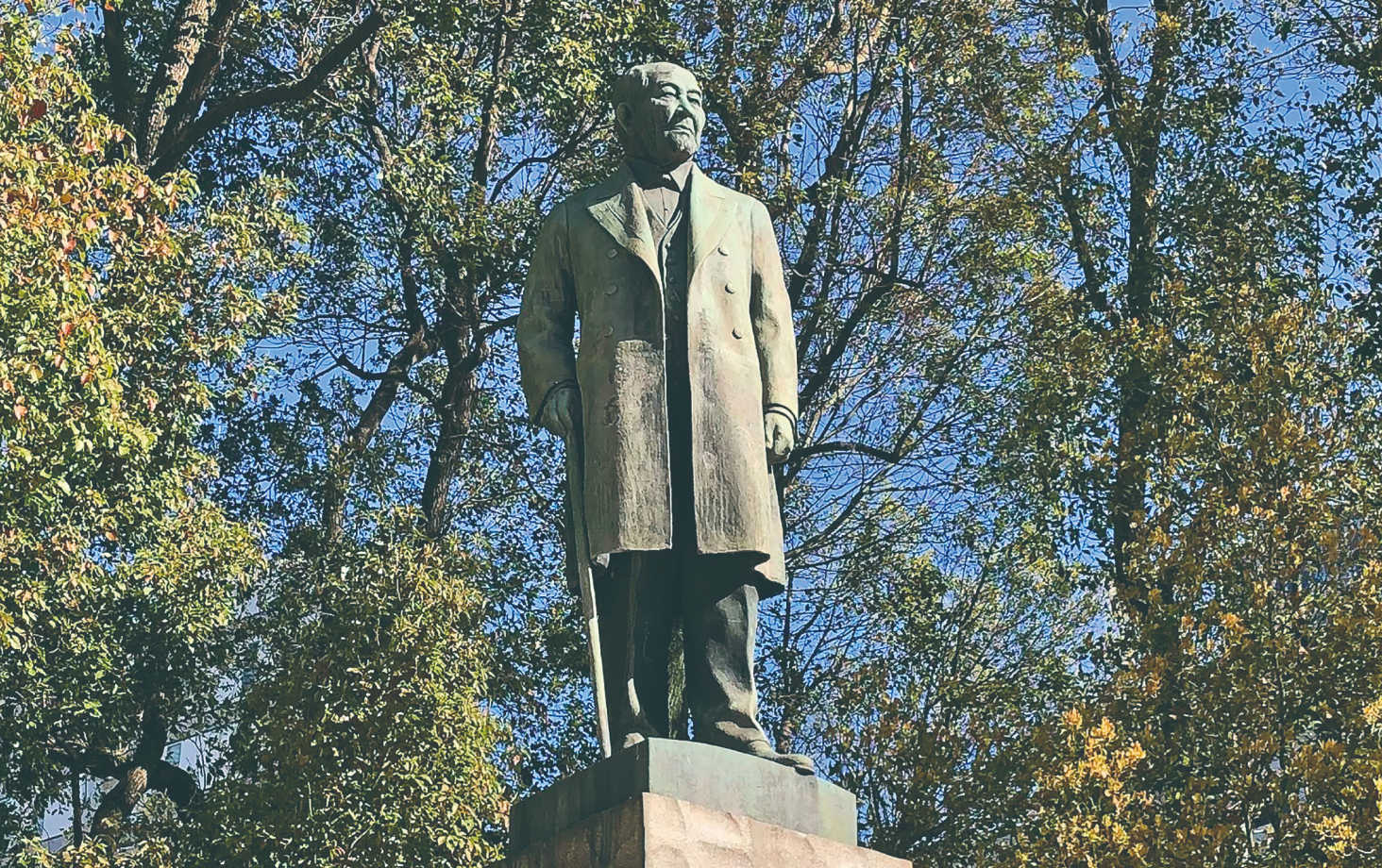
Shibusawa moved several times but spent his later years in Asukayama, Tokyo, where he engaged in a kind of private diplomacy, inviting many guests from Japan and abroad. The 18th U.S. president, Ulysses S. Grant, and Asia's first Nobel Laureate, the poet Tagore, were among his visitors.
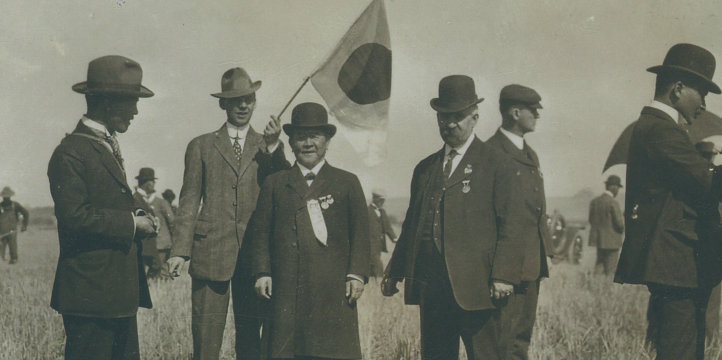
In 1902, at age 62, he visited Europe and the United States. It was his first visit to the U.S. and he was astonished by the scale of its industry. He later visited the U.S. three more times and worked tirelessly to strengthen the bonds between the business worlds of the two countries.
Working on behalf of social organizations
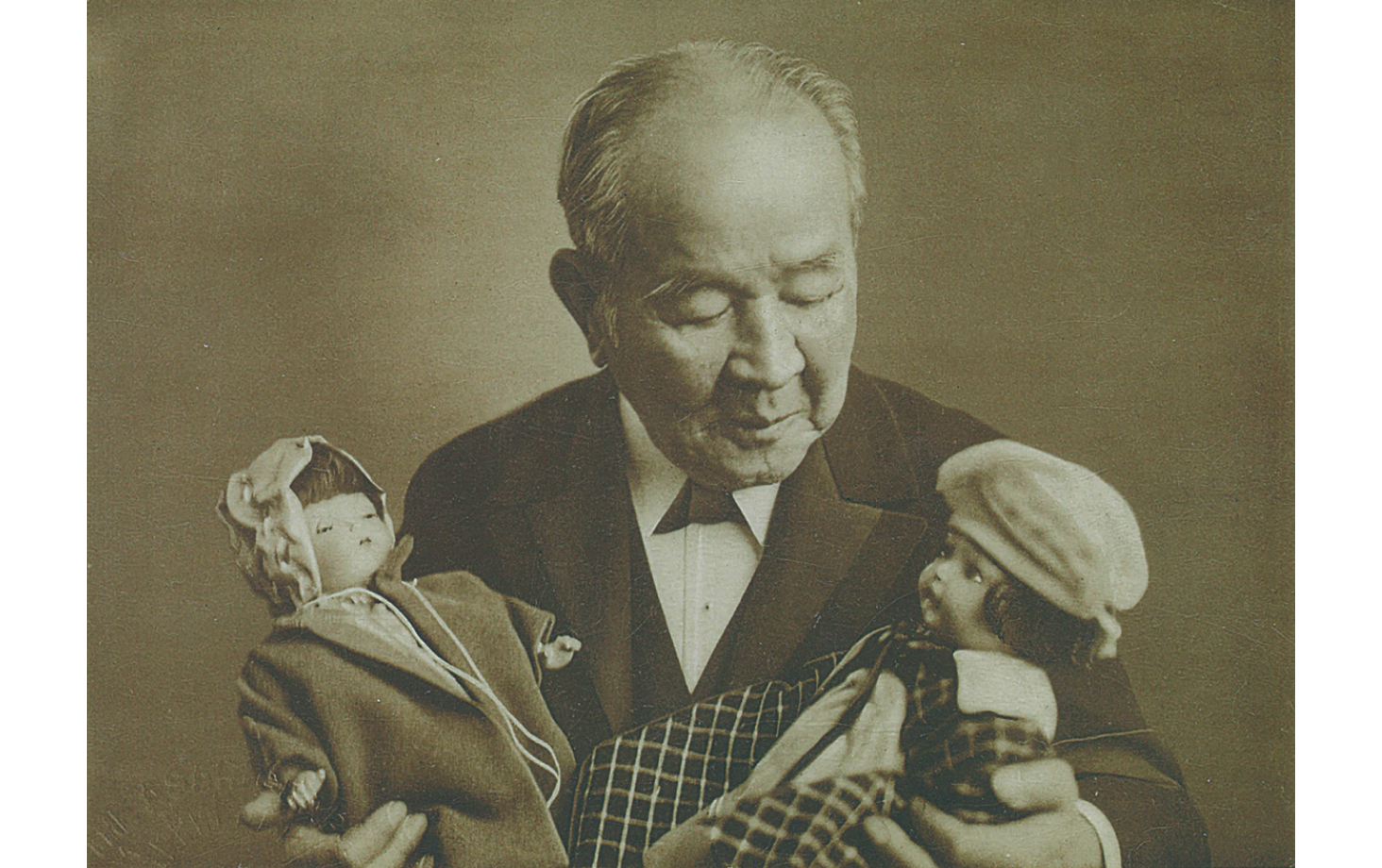
Shibusawa was instrumental in the establishment of the Chamber of Commerce, an organization of companies working together to develop commerce and industry and promote trade, and he became the first chairman of today's Tokyo Chamber of Commerce. He also helped establish the Tokyo Stock Exchange.
He enthusiastically supported education and philanthropic activities, helping to establish the sanitorium (for orphans, the elderly, the disabled, and others needing care) that became the Tokyo Metropolitan Geriatric Hospital, as well as today's Hitotsubashi University and Japan Women's University. In response to the critics who said that "helping those who are needy just encourages laziness," Shibusawa preached the teachings of The Analects: "Governance must be carried out with a benevolent heart. Eliminating the disparity between poverty and wealth is in the public interest."