
Revisiting the legacy of Mitsui Takatoshi (4) — The MITSUI Public Relations Committee

Revisiting the legacy of Mitsui Takatoshi (4) — The MITSUI Public Relations Committee

Respecting Diverse Values And Each Person’s Unique Individuality

The MITSUI Public Relations Committee is a collaborative effort by 24 Mitsui Group companies to contribute to the prosperity and well-being of society through initiatives that would not be possible separately. Introduced here are the Committee’s 50-year history and some of its most notable activities.

Revisiting the legacy of Mitsui Takatoshi (4) — The MITSUI Public Relations Committee
The MITSUI Public Relations Committee received the Minister of Foreign Affairs’ Commendation for his contri butions to international cultural exchange.
Revisiting the legacy of Mitsui Takatoshi (4) — The MITSUI Public Relations Committee
The first Close-ups of Japan event, 1983: Issey Miyake Body Works. In 1998.

Nurturing and disseminating a rich culture For over half a century

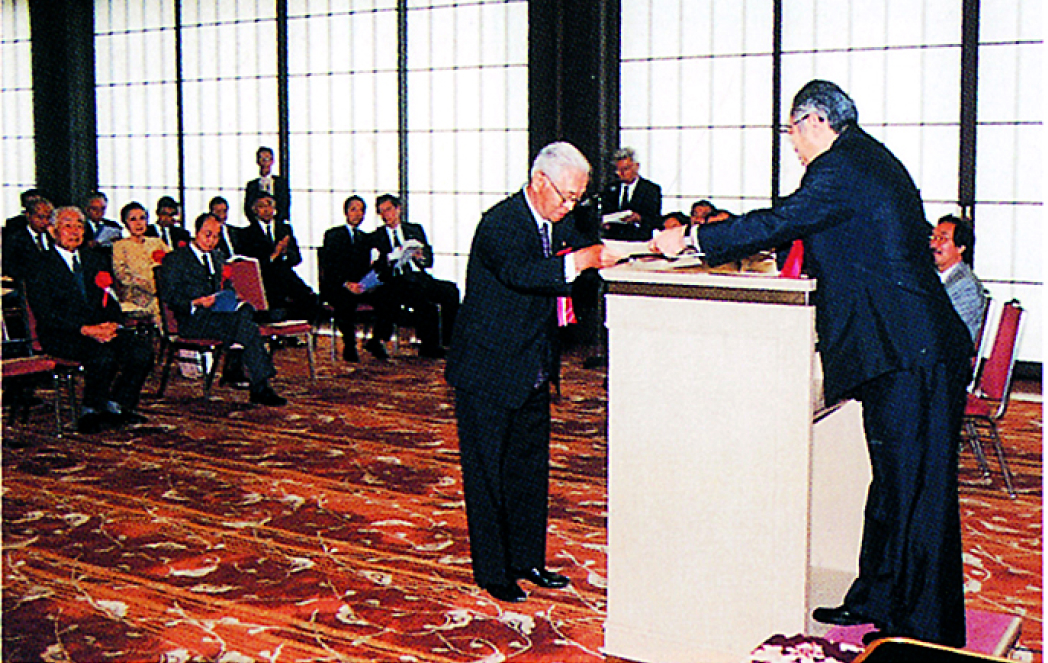
The MITSUI Public Relations Committee, which launched in 1972, has had a storied history of over a half century of activities to promote culture and cultural exchange: the 1972 establishment of the Diamond Glove Award (from 1986, the MITSUI Golden Glove Award) to recognize underrepresented defensive talent in Japanese professional baseball; the Close-ups of Japan cultural exchange programs to introduce Japanese culture globally (1983-98); the MITSUI Festival Tokyo, which brought international performing arts to Japan (1988-96); The MITSUI Golden Takumi Award (2015-) to honor and nurture the development of traditional Japanese crafts; and many others.

Promoting the development of Japanese baseball The MITSUI Golden Glove Award for superlative fielders

A growing number of Japanese players have been join teams in US Major League Baseball, the world’s top league. The MITSUI Golden Glove Award has been contributing to the improvement of Japanese professional baseball for over 50 years by honoring players who have contributed to their teams through outstanding defensive play. Past recipients include Suzuki Ichiro, Darvish Yu, Matsuzaka Daisuke, and Matsui Hideki. At the 50th awards ceremony in 2021, the year that the Japanese team won the gold medal at the Tokyo Olympics, nine-time recipient Oh Sadaharu offered his congratulated and appreciation: “This award has raised players’ and teams’ awareness of the importance of fielding. It’s fair to say that The MITSUI Golden Glove Award has transformed baseball.
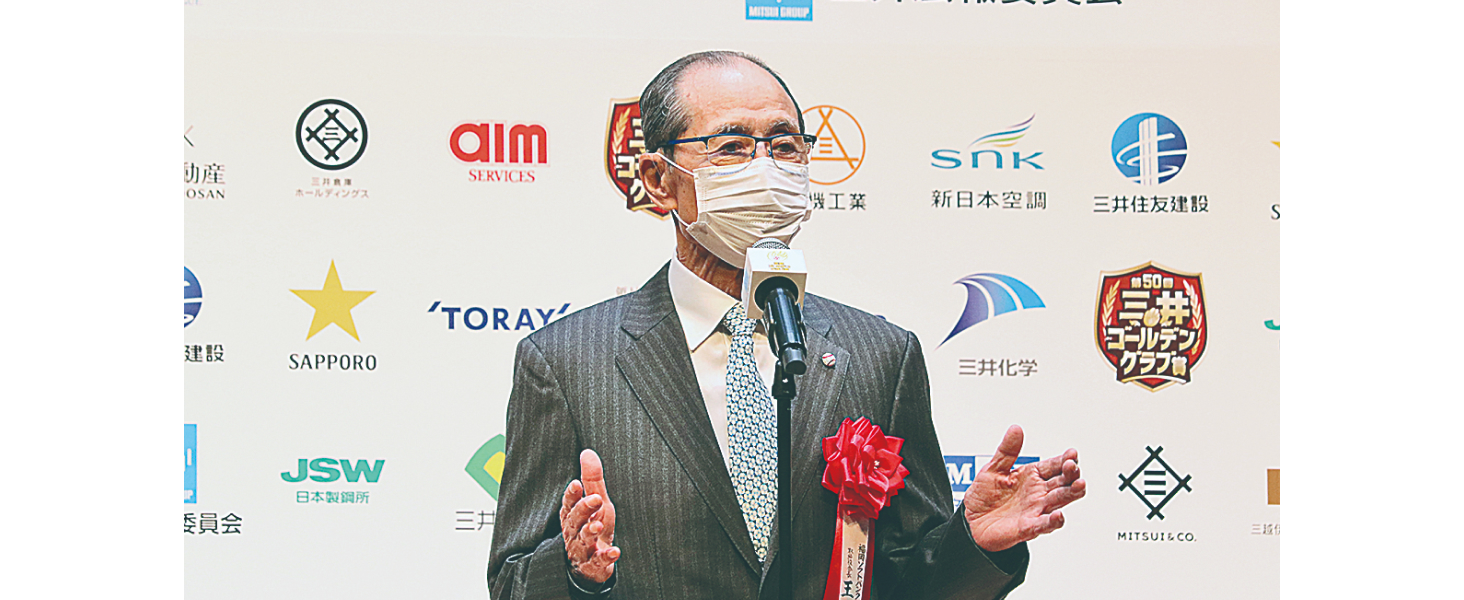

Oh Sadaharu gives a speech at the 50th awards ceremony. His career total of 868 home runs is a world record
The glove-shaped trophy made of golden leather

The MITSUI Golden Takumi Award

The MITSUI Golden Takumi Award

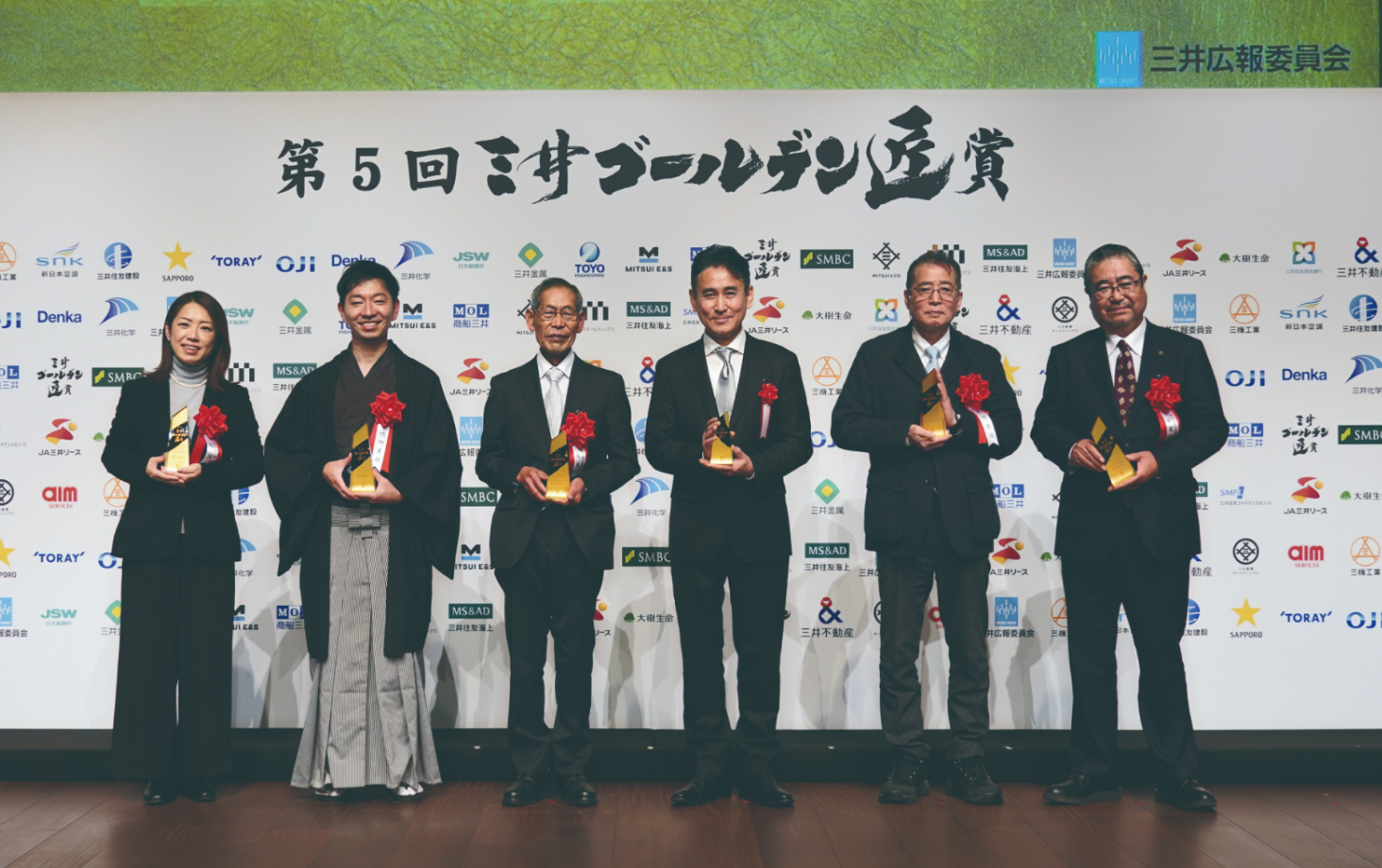
To preserve Japan’s proud tradition of artisanal crafts for the future, The MITSUI Golden Takumi Award aims at preserving for future generations Japan’s proud tradition of artisanal crafts, the survival of which is threatened due to the lack of successors. Since 2015, the award has been given five times, to a total of 25 individuals and organizations. A key feature of this award is that it recognizes effort rather than outstanding works. Additionally, the event highlights the people who produce the materials that are essential to passing on these traditional crafts. Examples include an organization that harvests and plants Japanese snowdrop trees, the raw material for Japanese umbrellas, and a lacquer maker, who developed a lacquer resistant to ultraviolet rays, wind, and rain and whose products have been used in the restoration of Japan’s Important Cultural Properties, including Nikko Toshogu Shrine. The fifth MITSUI Golden Takumi Award, presented last year, featured pioneering initiatives that go beyond the conventional framework of traditional crafts: Ikeda Terumasa incorporates cutting-edge technologies such as laser equipment into traditional mother-of-pearl inlay techniques, and Hisatsune Toshiharu has collaborated with university researchers to develop a plant-based dye to address the water pollution caused by chemical dyes used in textiles. The sixth Award is scheduled for 2026. By focusing on the potential and creativity of traditional crafts and raising awareness about them, The MITSUI Golden Takumi Award will continue to strengthen Japan’s rich heritage of traditional craftsmanship.

1st Award Recipient - Nosaku

Takaoka Copperware - Toyama Prefecture
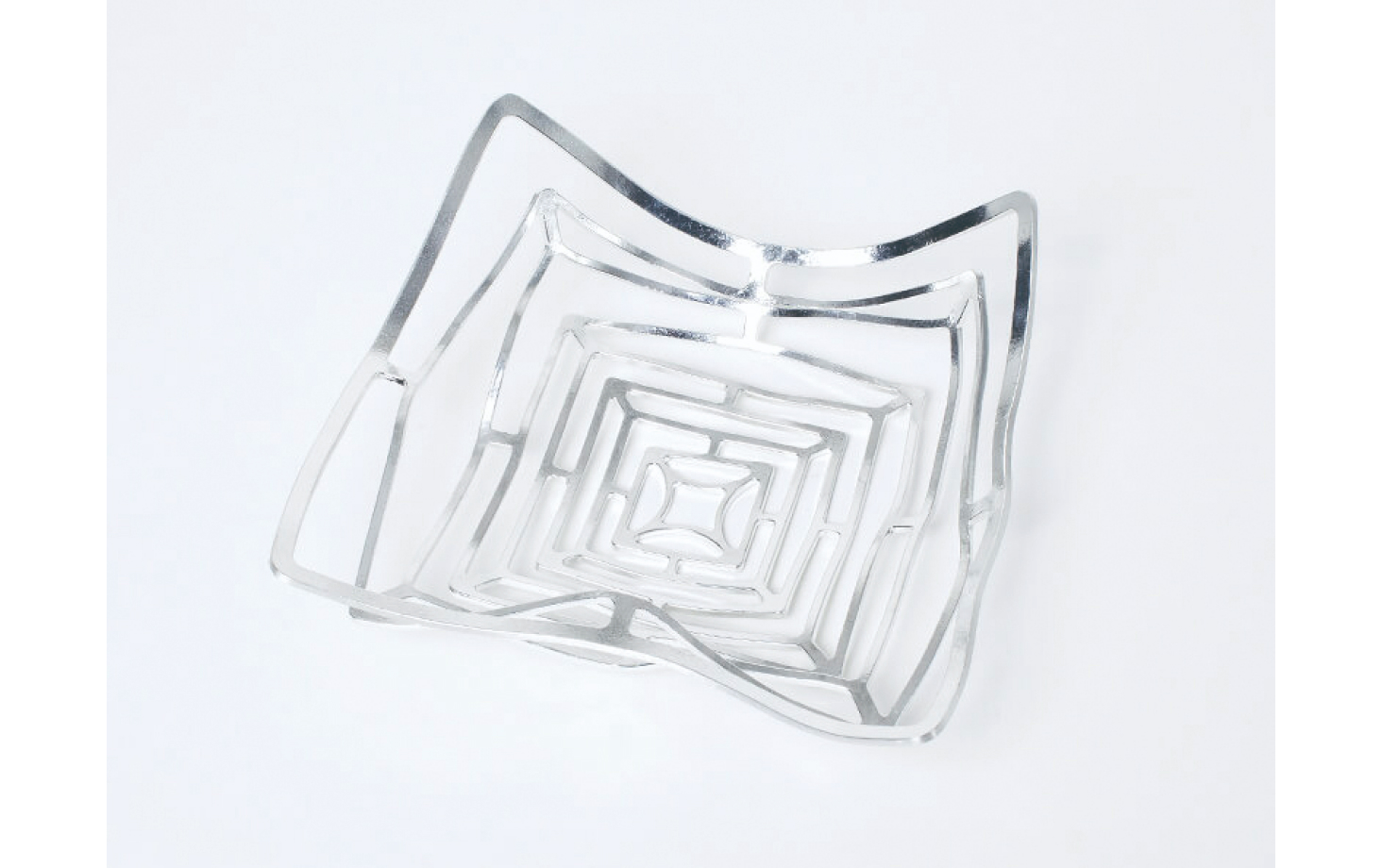
Built on a 400-year history of traditional casting to develop bendable tin receptacles that users can shape to their own liking.

2nd Award Recipient - Wajima Kirimoto

Wajima Lacquerware - Ishikawa Prefecture
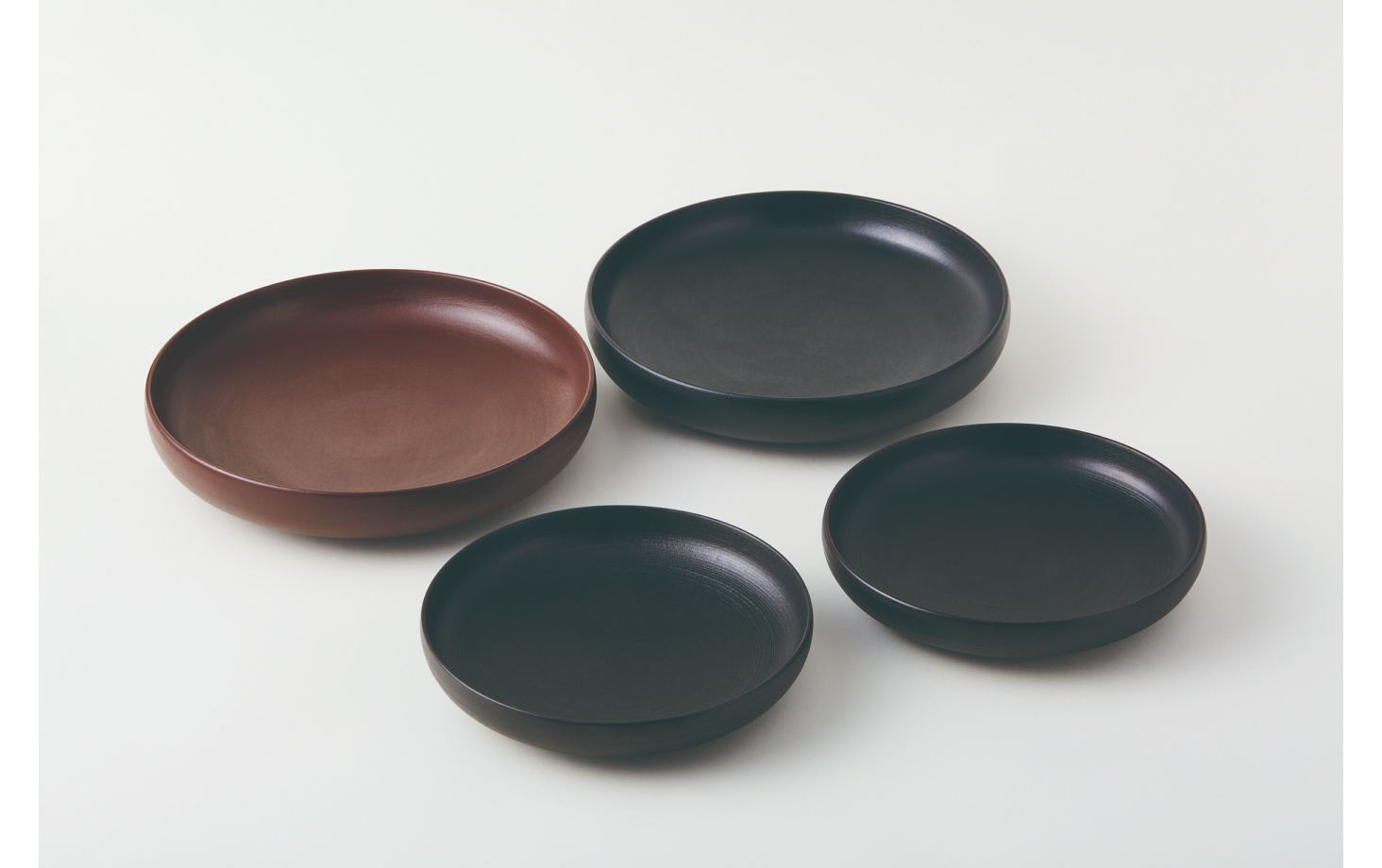
Pioneered the integrated production of wood and urushi lacquerware in a region where division of labor is the norm. Over many years, the company has contributed to the reform and revitalization of the region.

3st Award Recipient - Akiyama Masakazu

Miyazaki Tetsumugi - Miyazaki Prefecture
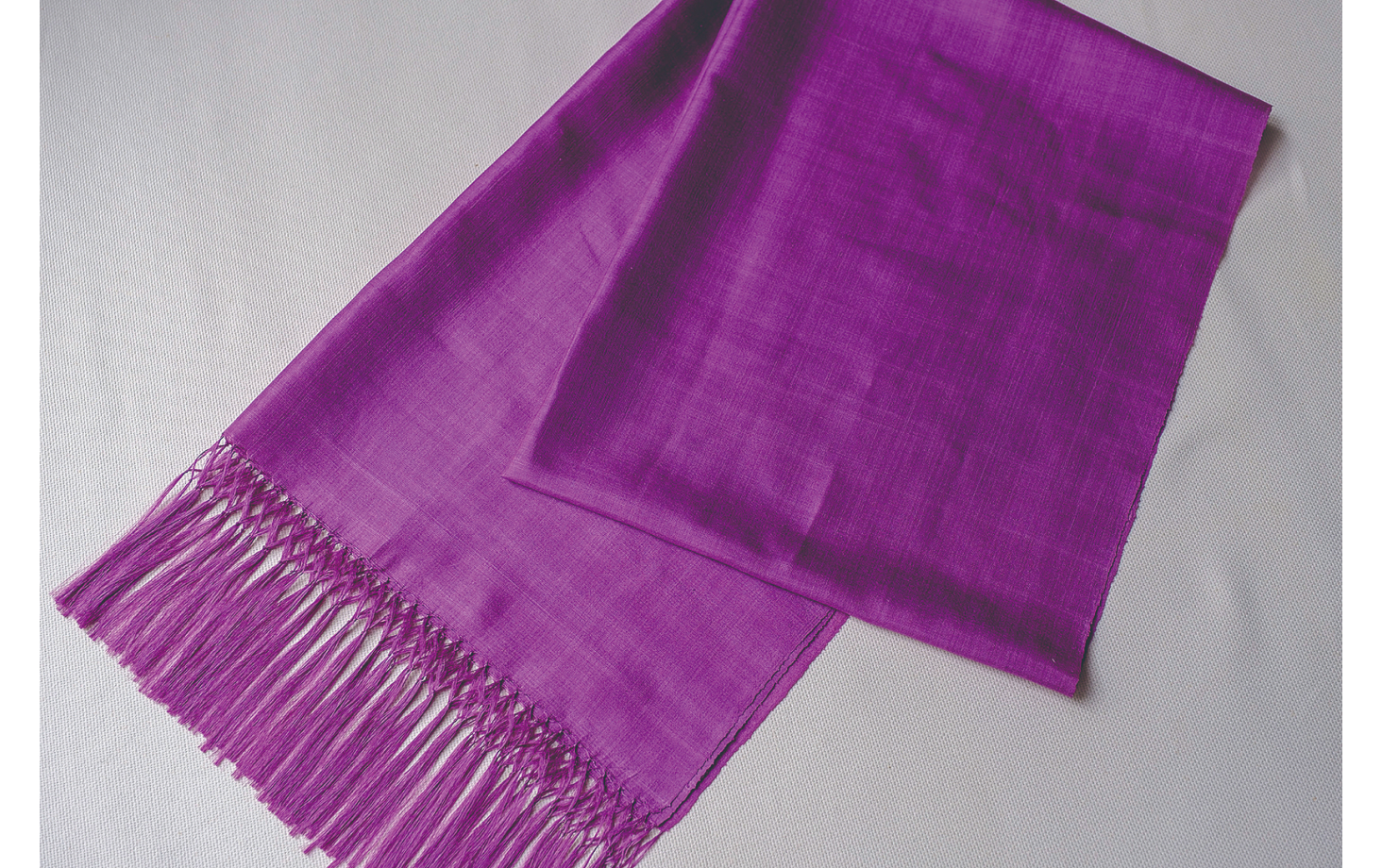
Discovered how to create a dye of “seashell-purple” - a color long thought to be unattainable - by using Japanese snails. In pursuit of the ideal color, he has even begun cultivating  Koishimaru silkworms, which produce exquisite and extremely fine silk threads.
Discovered how to create a dye of “seashell-purple” - a color long thought to be unattainable - by using Japanese snails. In pursuit of the ideal color, he has even begun cultivating Koishimaru silkworms, which produce exquisite and extremely fine silk threads.

4st Award Recipient - Miyamoto Masao

Kutani-ware - Ishikawa Prefecture
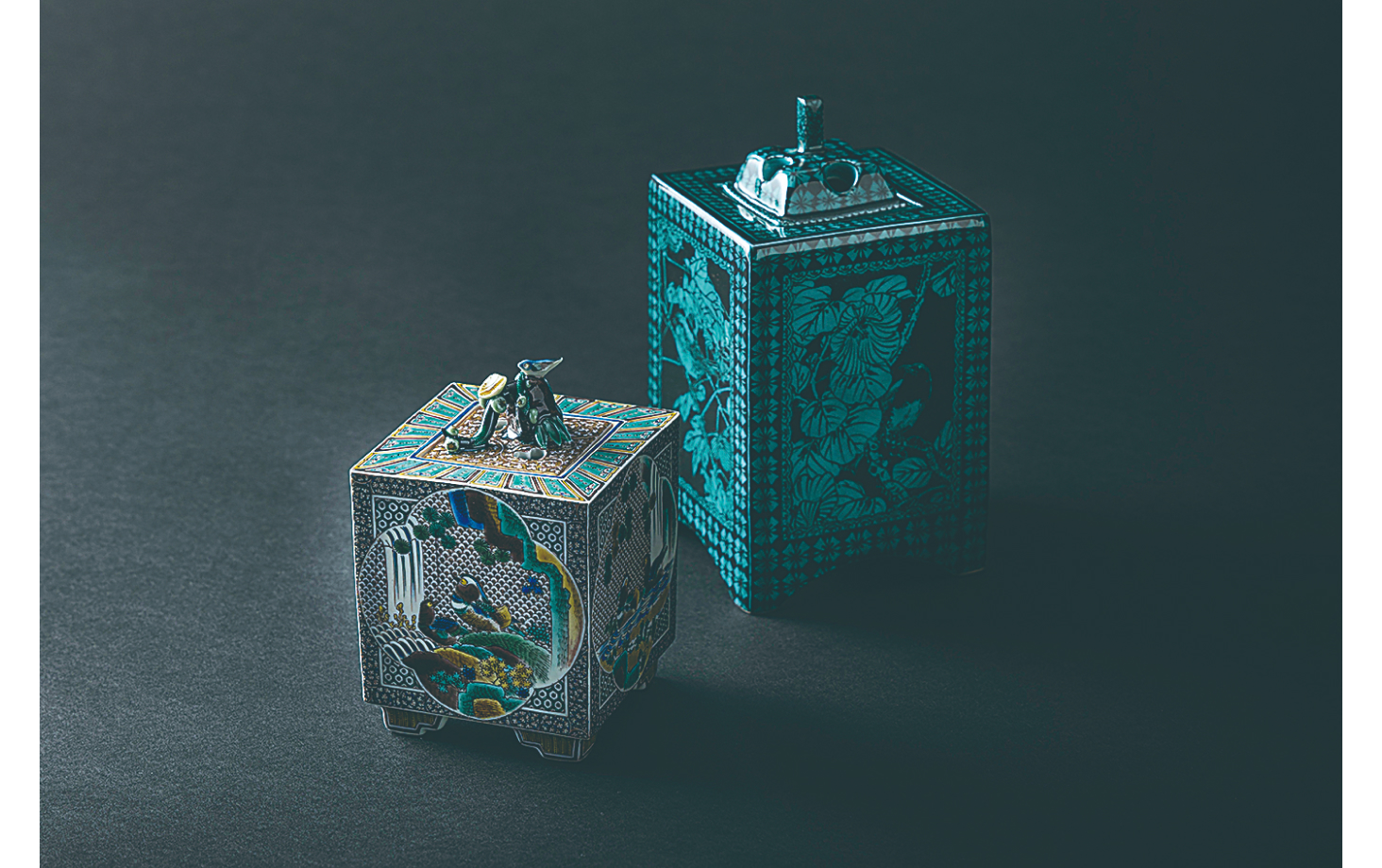
Developed a  unique, highly transparent paints that resist peeling. The result is three-dimensional designs that are vivid and warm. As business manager and innovator, he plays an important leadership role in the Kutani production region.
Developed a unique, highly transparent paints that resist peeling. The result is three-dimensional designs that are vivid and warm. As business manager and innovator, he plays an important leadership role in the Kutani production region.

5st Award Recipient

Ikeda Terumasa

Maki-e and Raden - Ishikawa Prefecture

Ikeda carries on traditional mother-of-pearl inlay techniques while also utilizing cutting-edge laser technology to create parts too small to cut by hand. This allows for new forms of expression. Ikeda is also exploring collaborations with a textile maker to develop mother-of-pearl obi (sashes) and with a stationery maker to develop mother-of-pearl stationery.

Egonoki Project Executive Committee

Gifu Wagasa - Gifu Prefecture -Audience Award*-
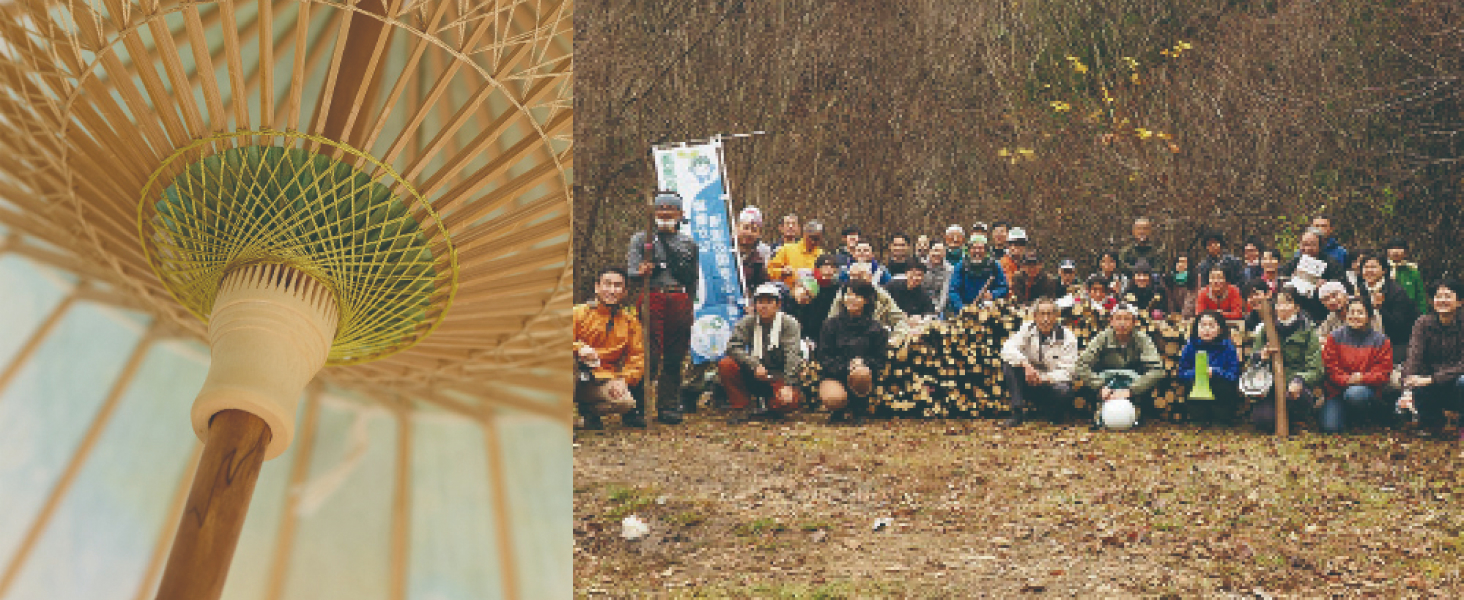
Japanese snowdrop trees (Styrax japonicus) are the raw material for the “slider” that connects the ribs of Japanese umbrellas and enables them to open and close
Japanese snowdrop trees (Styrax japonicus) are the raw material for the “slider” that connects the ribs of Japanese umbrellas and enables them to open and close. After the 2012 death of the last remaining forester of snowdrop trees, snowdrop artisans, forest volunteers, forestry teachers, and students from across the country came together to harvest the snowdrop trees needed for crafting Japanese umbrellas, and also began planting new trees to ensure a stable supply in the future.*formerly called the “Most Popular” Award

Hikoju Maki-e

Wajima Kawarinuri - Ishikawa Prefecture
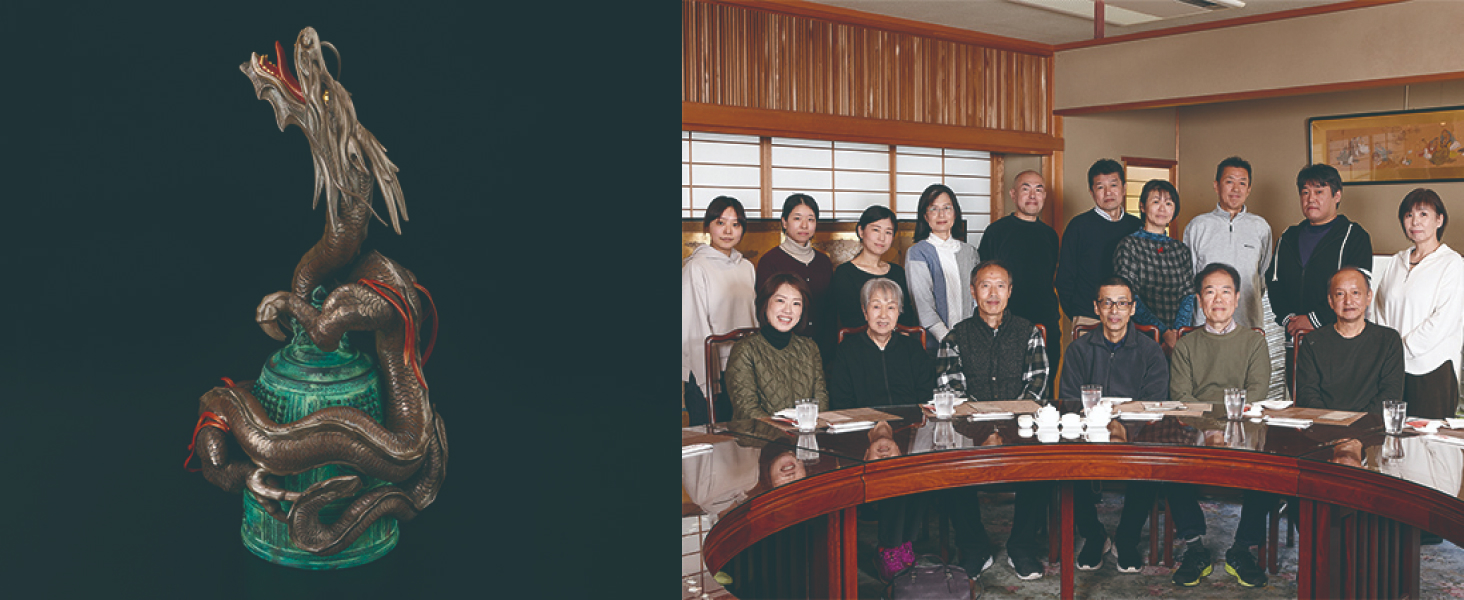
Hikoju Maki-e
These 20-or-so artisans, mostly from the Wajima region, incorporate modern sensibilities and humor into their lacquerware and inlay pieces. The artisans formed a project that addresses thematically the question “What is the essence of ancient Japanese art?” By connecting with overseas galleries, art museums, and leading artists, they are able to understand the market and promote sales both at home and abroad.

Hisatsune Toshiharu

Kaga Yuzen - Ishikawa Prefecture
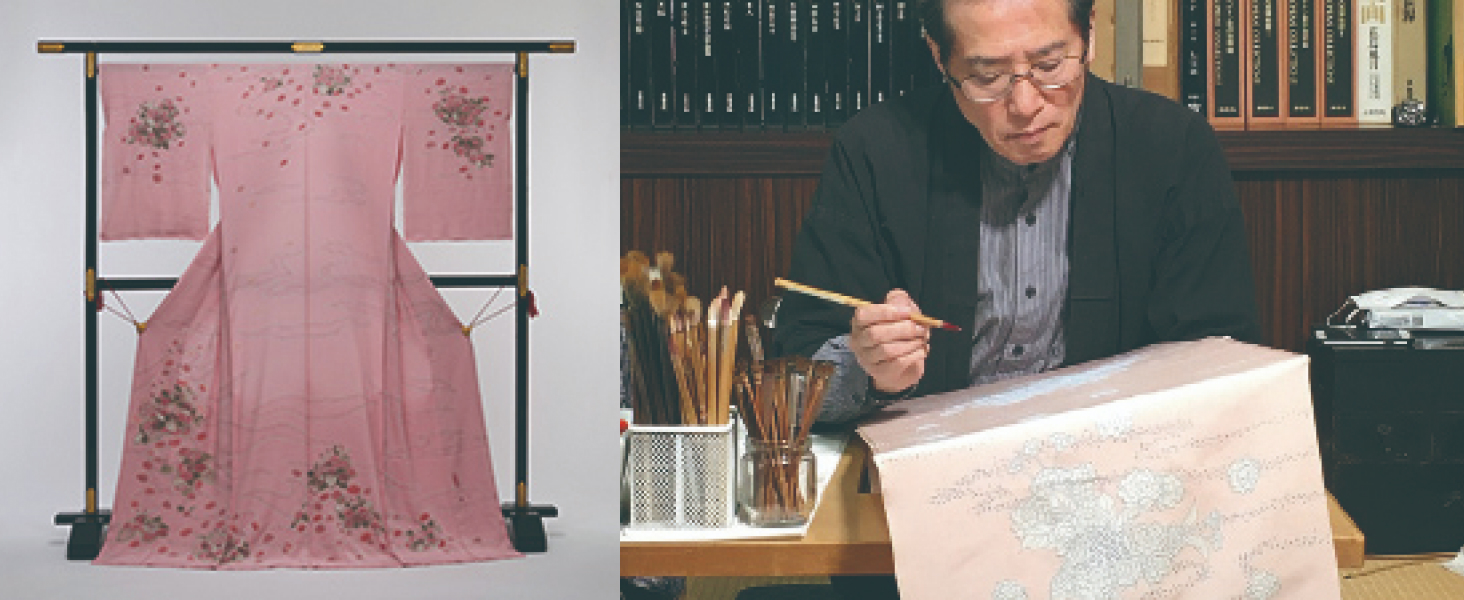
Hisatsune Toshiharu
A traditional form of dyeing called Yuzen has used chemical dyes since the late 18th century, leading to water pollution. Hisatsune and university researchers developed a new plant-based dye that is resistant to discoloration and fading while bringing out the beauty inherent in natural dyes. The color fixes quickly to fabrics even at room temperature, so it can be applied with a brush, something previously impossible with natural dyes.

Beppu Bamboo Products Cooperative

Beppu Bamboo Crafts - Oita Prefecture
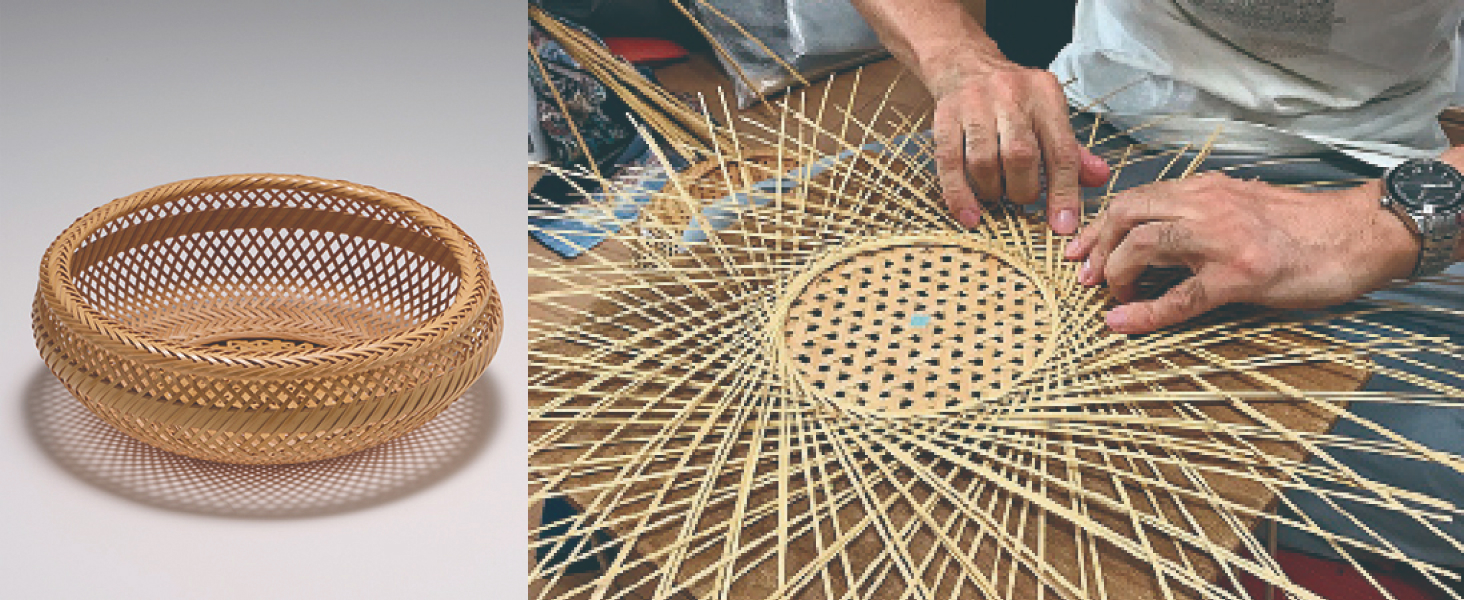
Beppu Bamboo Products Cooperative
The Cooperative was established in 1980, when Beppu’s bamboo crafts were designated a “traditional craft” by Japan’s government. Since 2009, it has operated independent of government support. It offers 20 hands-on classes annually in Tokyo that allow participants to master the entire process, from preparation of materials to completion. Over 5000 people have been taught thus far. Members’ works have been exhibited in France, Switzerland, Indonesia, and elsewhere, and some members have stayed abroad to provide technical instruction.

*Information as of the interview date.

© THEREFORE, JAPAN