
The story of Mitsui Takatoshi as told in documents
The Mitsui Bunko (Archive) is dedicated to preserving and researching a vast collection of historical materials related to Mitsui businesses.
We asked Senior Researcher Shimomukai Norihiko to tell us about the innovative Takatoshi as revealed in the historical record.
So rich an historical archive of a business is a rarity anywhere in the world
Mitsui has for centuries stressed preserving business records to help the business survive and thrive through good times and bad. The Mitsui Family Records Office was established in 1903, 230 years after Echigoya’s founding, to assemble the business’s vast historical archive and compile a Mitsui history. Today, Mitsui Bunko preserves and researches the collection, which totals over 100,000 items, including documents from Echigoya’s dry-goods and financial businesses and from post-1800s Mitsui-affiliates. The records reveal how these businesses survived and prospered through 400 years of change. So detailed a business archive, extending from early modern times to the present, is a true rarity anywhere in the world.
Make business your life's delight The foundations of the Mitsui business
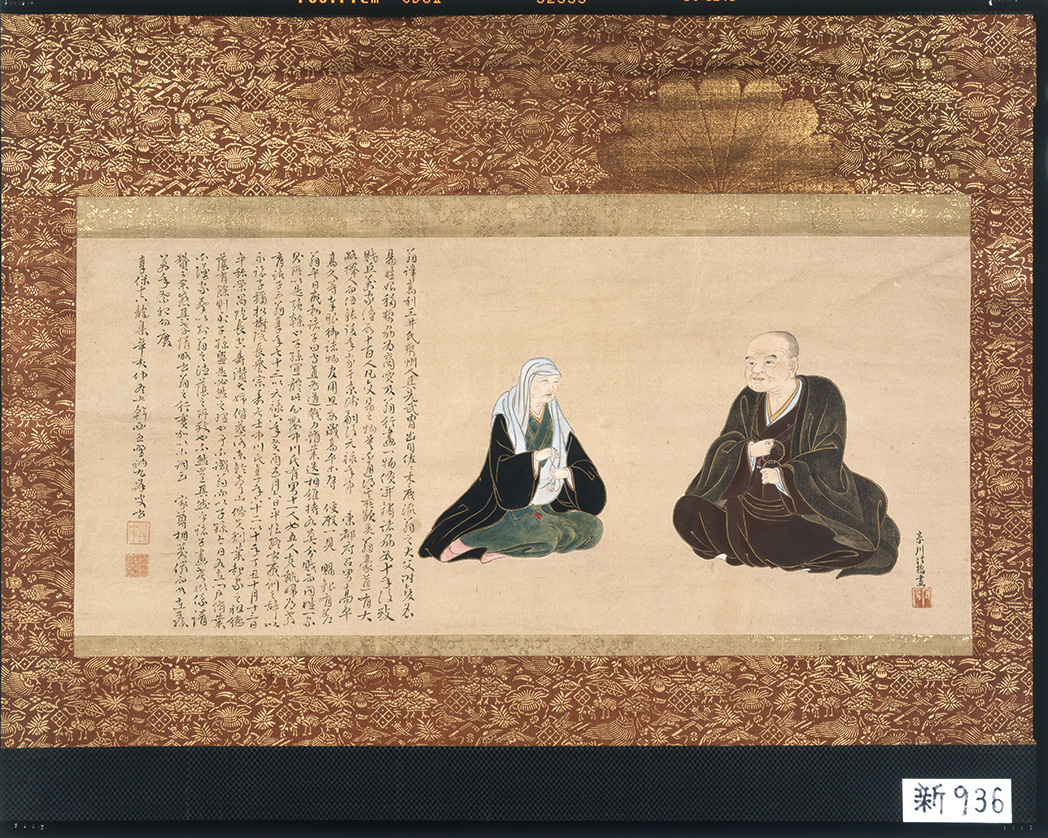
Mitsui Takatoshi is regarded as the founder of the Mitsui house. His ancestry lay in the samurai class, but his father and mother established a pawnbroker's business and a sake and miso shop in the town of Matsusaka in Mie Prefecture. Takatoshi was just 12 when his father died. His mother, Shuho, became sole manager of the businesses and a very successful one, as documents in the archive attest. Takatoshi's later success may have been thanks to her tutelage.
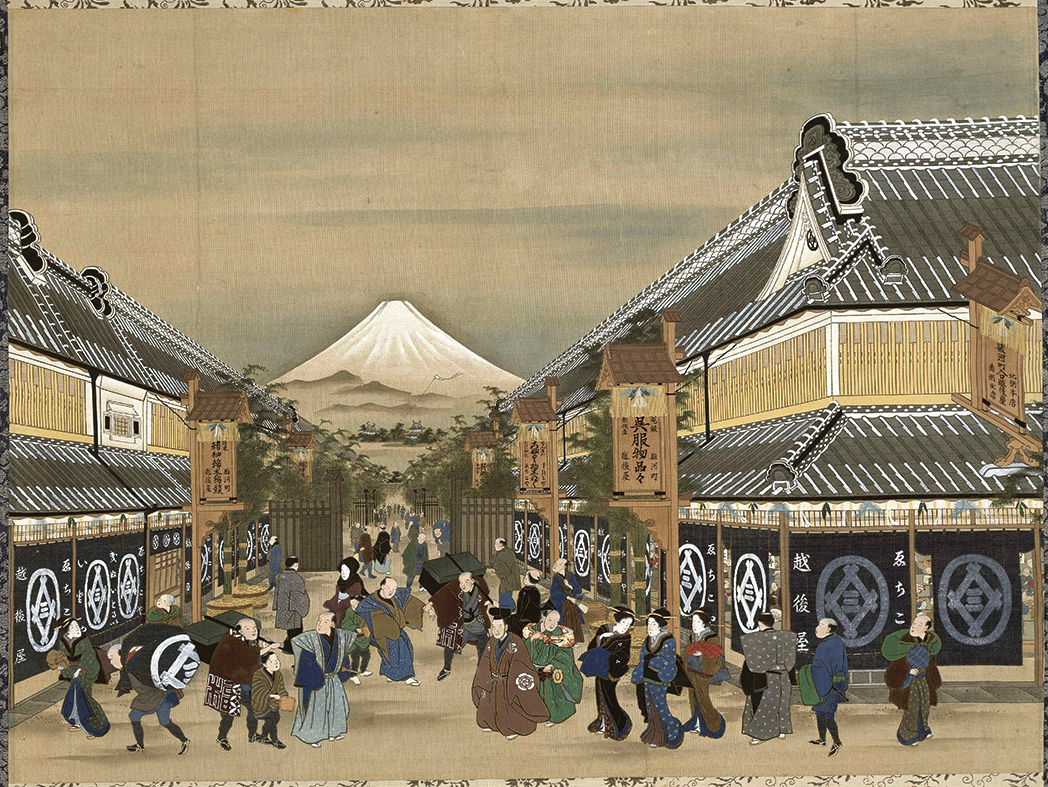
We know about Takatoshi's views and management practices only from documents left by his sons. He is quoted in his third son's Record of Business, for example, as instructing: "Do not get drawn into artistic amusements; instead, regard business as your life's delight." After opening Echigoya at age 52, Takatoshi left the Edo and Kyoto shops in his sons' care while he himself traveled between Matsusaka and Kyoto, gathering valuable information and issuing detailed instructions to his sons. The new business practices he introduced, such as "cash sales at fixed prices" (see page 16), were so groundbreaking that they overturned the prevailing customs of the Edo merchant world. His talented sons supported his innovations and later banded together to carry on his legacy and further grow the Mitsui business.
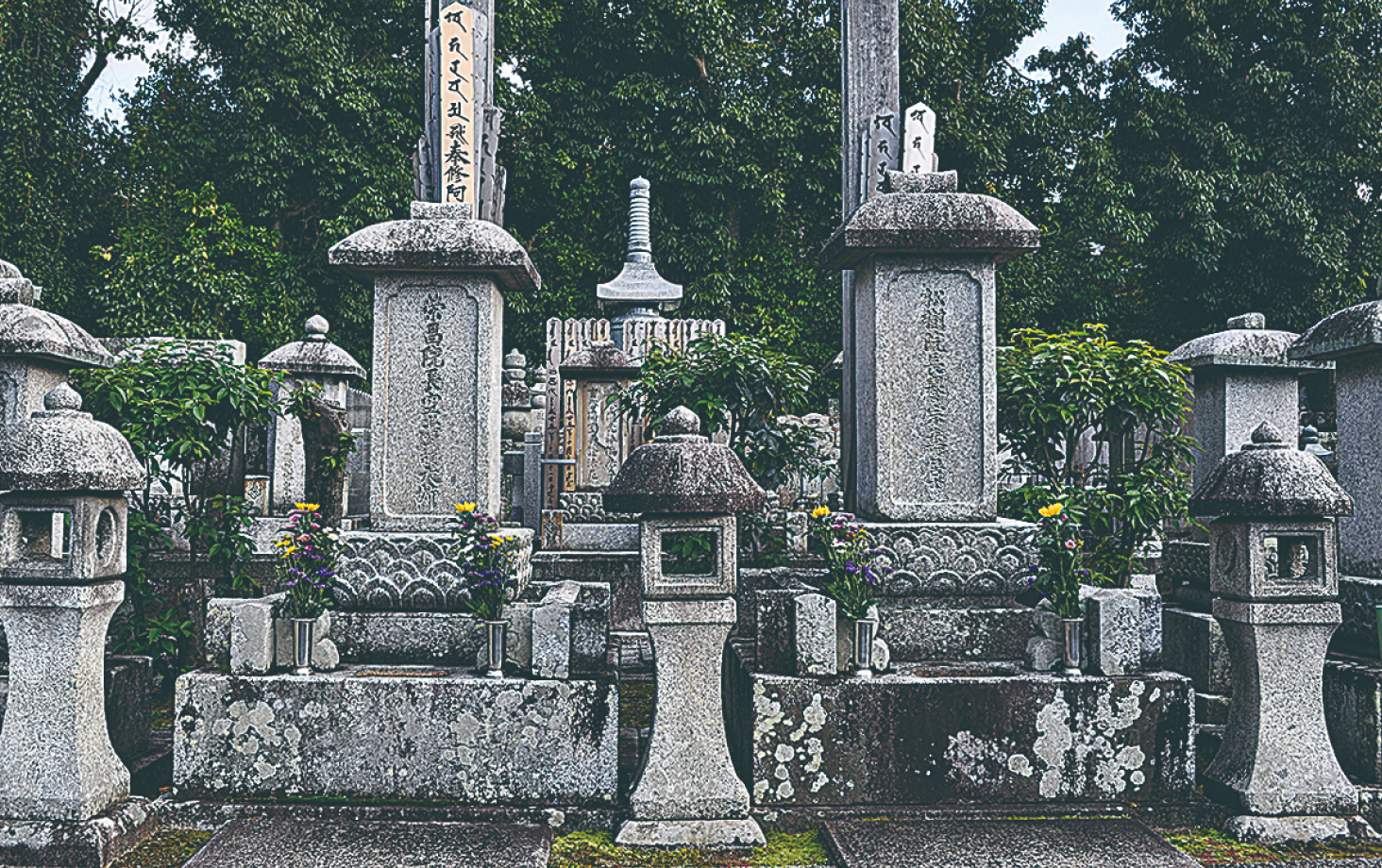
In his later years, Takatoshi moved from Matsusaka to Kyoto. The graves of Takatoshi, his wife, and generations of their successors are located at Shin'nyodo Temple in Kyoto's Sakyo Ward, along with a memorial tower engraved with the posthumous names of 2,321 Echigoya employees.

Mitsui Bunko Senior Researcher Shimomukai Norihiko.
Born 1983 in Hiroshima Prefecture. Researches the economic history of distribution in early modern Japan, with a focus on Echigoya’s purchasing, sales, and advertising, and the urban/provincial distribution operations revealed by Echigoya’s purchasing activities.